
目次
- 1.「ビルマ戦陣回顧録」という記録
- 2.「北力会20周年記念 昭和48年8月6日 於札幌」
- 3.そして「一軍医がみたビルマ敗退戦」へ
- 4.20周年から28周年へ――八年間の時間軸
- 5.興野義一氏自身が「ビルマ戦陣回顧録」に書いている
- 6.「書かなかった人々」と「書いた人々」
- 7.戦友会が「記憶を残す組織」から「解散」へ向かうまで
- 8.今回の発見が示す「多国籍資料群」
- 9.そして、もう一つの資料群――渋谷家文書
- 10.廃棄の水際から、歴史の空白を埋める
- 11.ICA-EGIMとの対話から学んだ国際的な視点
- 12.歴史を残すのは、研究者だけではない
- おわりに――「遺品」を「歴史」に戻す
- History Rescued at the Brink of Disposal
- 1. “The Burma Campaign Memoirs” as a Historical Record
- 2. “Hokuryokai 20th Anniversary — August 6, 1973, Sapporo”
- 3. From the Veterans’ Records to A Military Surgeon’s View of the Burma Retreat
- 4. From the 20th Anniversary to the 28th Anniversary — An Eight-Year Timeline
- 5. Giichi Kyono Himself Wrote in “The Burma Campaign Memoirs”
- 6. Those Who Wrote and Those Who Did Not
- 7. From a Veterans’ Association That Preserved Memory to Its Dissolution
- 8. What This Discovery Reveals as a “Multinational Collection”
- 9. Another Collection — The Shibuya Family Documents
- 10. From the Brink of Disposal to Filling Gaps in History
- 11. What I Learned Through Dialogue with ICA-EGIM
- 12. Preserving History Is Not the Responsibility of Researchers Alone
- Conclusion — Returning “Personal Belongings” to History
戦後81年、「ビルマ戦陣回顧録」と「一軍医がみたビルマ敗退戦」から見えてきたもの
合同会社 LRA association
代表 田澤 恵司
歴史保全型遺品整理 実践者
Tandanya-Adelaide Declaration 実践者
はじめに
遺品整理の現場には、一般的な「遺品」の枠には収まりきらないものが残されていることがあります。
写真、手紙、軍歴を示す書類、戦友会の記録、回顧録、古い冊子、そして本人が長年大切に保管していた資料。
それらは、所有者が亡くなった瞬間に価値を失うものではありません。
むしろ、本人が亡くなった後に初めて、一人の人生を超えて、地域史、戦争史、社会史を読み解く手掛かりになることがあります。
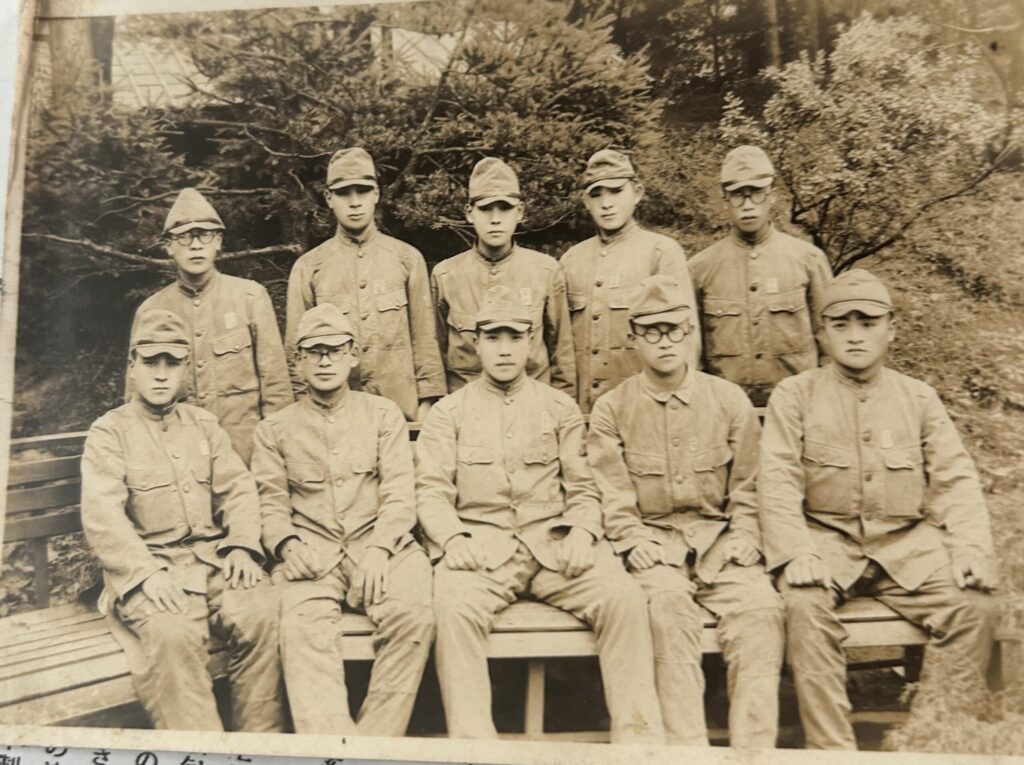
今回、私が遺品整理の現場で廃棄の水際から救い出し、ばらばらの状態から資料群として復元していく中で、非常に興味深い関係が浮かび上がりました。
それが、
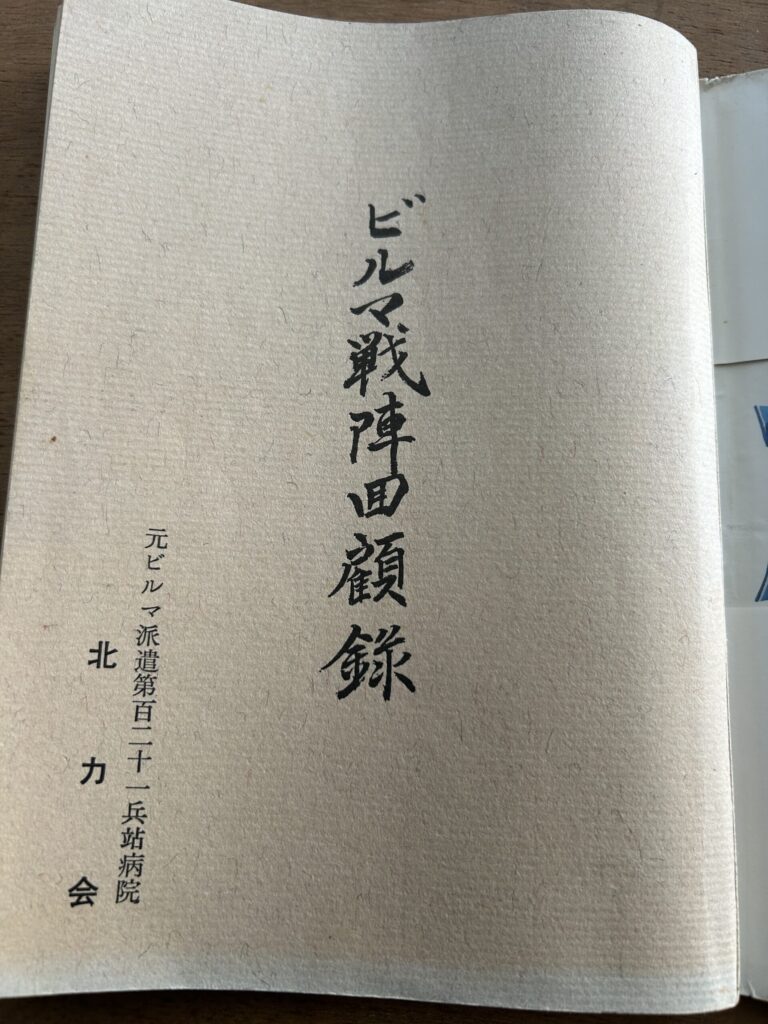
「ビルマ戦陣回顧録」
と
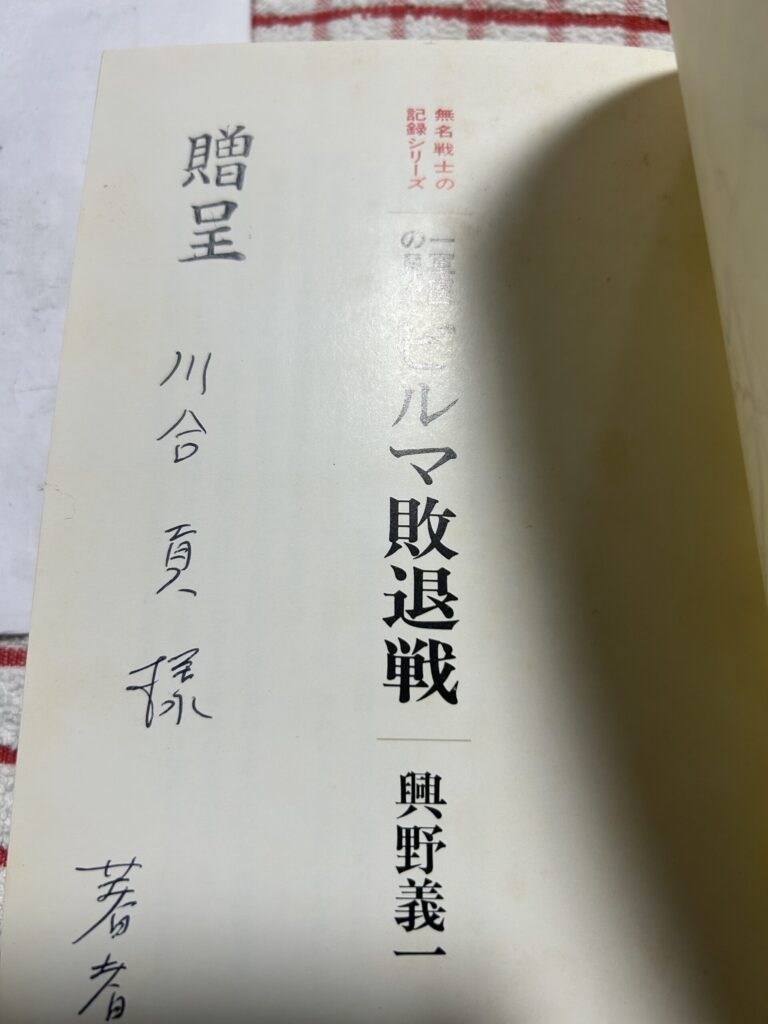
興野義一『一軍医がみたビルマ敗退戦』
です。
今回ここで取り上げるのは、第二次世界大戦期のビルマ戦線と、戦後の元隊員たちの記憶を伝える資料群です。
それぞれの資料が持つ来歴と文脈を尊重することが、歴史保全型遺品整理において重要だと私は考えています。
1.「ビルマ戦陣回顧録」という記録
今回確認できた資料の中には、元ビルマ派遣軍第121兵站病院関係者による戦争体験の記録があります。
これは一般に流通する商業出版物というより、戦友会・関係者によってまとめられた私家本的性格を持つ記録として見る必要があります。
そのため、通常の古書流通や一般的な検索だけでは、その成立過程を追うことが容易ではありません。
しかし、資料そのものを読み進めると、重要な手掛かりがありました。
その一つが、戦友会の活動記録です。
2.「北力会20周年記念 昭和48年8月6日 於札幌」
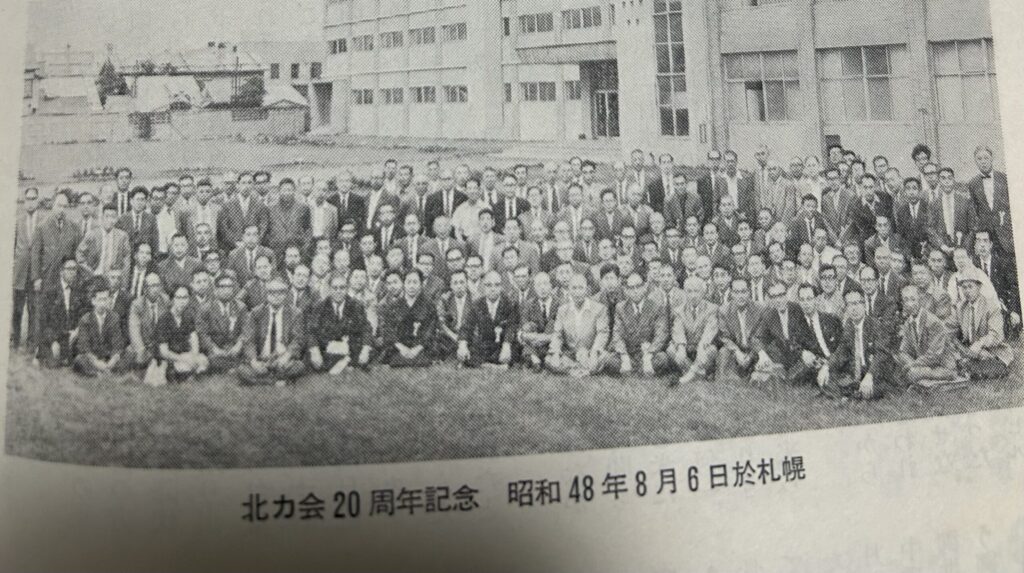
故・川合貢氏のビルマ戦陣回顧録内の文章の中には、
「北力会20周年記念 昭和48年8月6日 於札幌」
と記された写真があります。
これは極めて重要な手掛かりです。
昭和48年は1973年。
つまり、少なくともこの時点で、戦後28年を迎える以前の段階において、元隊員・関係者による戦友会活動が継続していたことが資料そのものから確認できます。
さらに資料には、戦友会員による回想や家族状況、戦没者名簿、部隊戦歴などが収録されています。
そこには、戦争を単なる「戦場の出来事」としてではなく、戦後を生きた人々自身が、何を記憶し、何を後世に残そうとしたのかという問題が刻まれています。
3.そして「一軍医がみたビルマ敗退戦」へ
ここで興味深い資料が登場します。
興野義一『一軍医がみたビルマ敗退戦』です。
これは「ビルマ戦陣回顧録」のような戦友会による記録集とは性格が異なり、興野義一氏による著書として刊行され、現在では絶版となっている書籍です。
そして、この本の冒頭には、非常に重要な記述があります。
興野氏は、
「昭和四十八年の八月十一、十二日、私の属した元ビルマ派遣軍第一百二十一兵站病院復員員二十八周年記念全国大会が札幌でもたれた。」
と記しています。
ここに、先ほどの資料との接点があります。
昭和48年。
札幌。
第121兵站病院。
戦後の元隊員たち。
そして全国大会。
偶然の一致として片付けるには、あまりにも具体的です。
4.20周年から28周年へ――八年間の時間軸
ここから資料の年代を考えることができます。
確認できた写真には、
昭和48年8月6日
北力会20周年記念
於札幌
とあります。
一方、『一軍医がみたビルマ敗退戦』には、
昭和48年8月11・12日
復員28周年記念全国大会
札幌
という記述があります。
つまり、昭和48年には、すでに戦友会の活動が存在していました。
そして興野氏の著書では、その後の28周年記念全国大会について触れられています。
このことから、少なくとも現在確認できている資料関係だけから考えれば、
「ビルマ戦陣回顧録」の成立時期を、昭和48年以降、かつ『一軍医がみたビルマ敗退戦』の成立時期以前のどこかに位置付けられる可能性がある
と考えられます。
ただし、ここは慎重でなければなりません。
現時点で「ビルマ戦陣回顧録」そのものに発行年の明記が確認できない以上、発行年を断定することはできません。
したがって、
資料上確認できる年代関係から、昭和48年以降に成立した可能性が高い
という表現が適切です。
歴史資料を扱う上では、この「断定できること」と「推定できること」を分けることが非常に重要です。
5.興野義一氏自身が「ビルマ戦陣回顧録」に書いている
さらに興味深いのは、興野義一氏自身が「ビルマ戦陣回顧録」に文章を寄せていることです。
そして、その後に刊行された『一軍医がみたビルマ敗退戦』では、ビルマ戦線における経験をさらに詳しく記しています。
ここから私は、一つの可能性を感じています。
それは、
戦友会による共同の記憶形成
↓
個々の元隊員による回想
↓
興野氏による、より後年の詳細な記録
という流れです。
もちろん、現段階では「興野氏が大谷氏の文章を読んで、それを補強する目的で執筆した」と断定することはできません。
しかし、資料を時系列に並べて読んでいくと、そのように読める構造が存在することは確かです。
特に大谷義明氏の文章と興野氏の後年の記述を比較すると、戦争末期の実態について、複数の元隊員の記憶が重なり合っていく可能性があります。
これは非常に重要です。
なぜなら、一人の証言だけでは「個人の記憶」として扱われるものが、別の人物の記録によって補完されることで、集団的な戦争記憶の構造が見えてくるからです。
6.「書かなかった人々」と「書いた人々」
私は、ここにもう一つ重要な問題があると感じています。
戦争体験を書き残すということは、決して簡単なことではありません。
特に、自国の軍事行動や戦場の実態について、後世から見れば厳しい内容を書くことには、大きな心理的負担があった可能性があります。
だからこそ、
何が書かれているか
だけではなく、
なぜ、それが書かれたのか。
そして、なぜ他の人々は書かなかったのか。
という視点も必要になります。
大谷氏が残した文章も、興野氏が後年残した記録も、戦争を美化するためだけの記録ではありません。
そこには、戦場で何が起きたのかを自分自身の記憶として残そうとした人間の姿があります。
そして、その記録を残すこと自体に、ある種の覚悟があったのではないか。
これは私自身の資料を読んだ上での問題提起です。
断定ではありません。
しかし、資料を後世へ渡す上で、非常に重要な問いだと思っています。
7.戦友会が「記憶を残す組織」から「解散」へ向かうまで
もう一つ、この資料群から見えてくるのが、戦友会そのものの時間です。
戦後間もない時期には、同じ部隊で生き残った者たちが再び集まり、戦没者を慰霊し、互いの消息を確認し、戦場での経験を語ることができました。
20周年。
25周年。
28周年。
30周年。
その間、戦友会は記録を作り、写真を残し、名簿を整え、個人の記憶を文章にしました。
しかし、年月が進めば、当然ながら会員は高齢化していきます。
そして、戦友会は永遠には続きません。
人がいなくなれば、記憶を直接語ることもできなくなる。
その意味で、「ビルマ戦陣回顧録」や個人の回想録は、単なる古い本ではありません。
それは、戦友会という組織が存在した時代の最後の記憶媒体でもあるのです。
8.今回の発見が示す「多国籍資料群」
今回、私が遺品整理の現場から救出した資料は、一冊の本だけではありません。
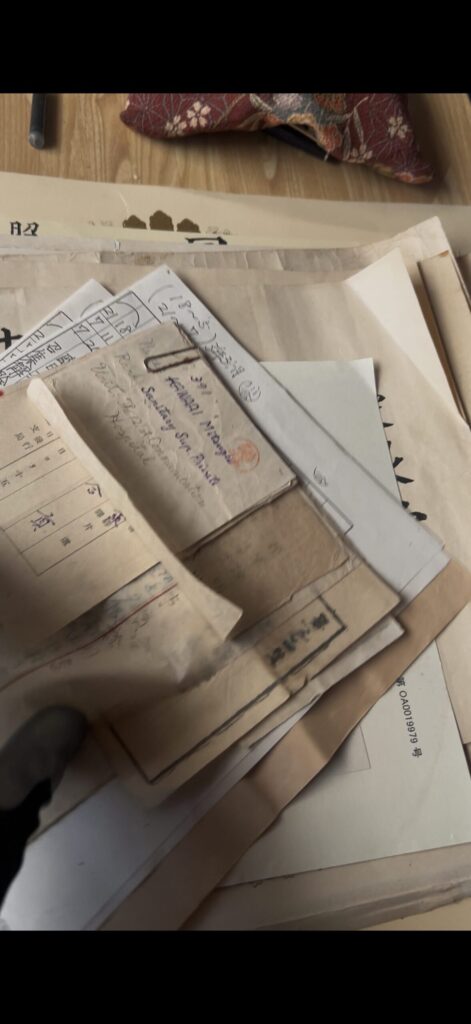
ビルマ戦線からの帰還を示す資料、軍歴資料、医療関係資料、復員関係資料、国際条約に関係する証明書、戦友会の記録、個人の回想、物品など、異なる種類の資料が存在しています。
そこには、
日本軍
ビルマ戦線
タイ
連合国側の管理
赤十字
復員
検疫
戦後日本
という複数の地域・制度・組織を横断する痕跡があります。
だから私は、これを単純な「軍用品のコレクション」として扱うのではなく、
多国籍・多層的な歴史資料群
として読み解く必要があると考えています。
9.そして、もう一つの資料群――渋谷家文書
ここで改めて明確にしておきます。
今回のビルマ関係資料群と、渋谷家文書は別の資料群です。
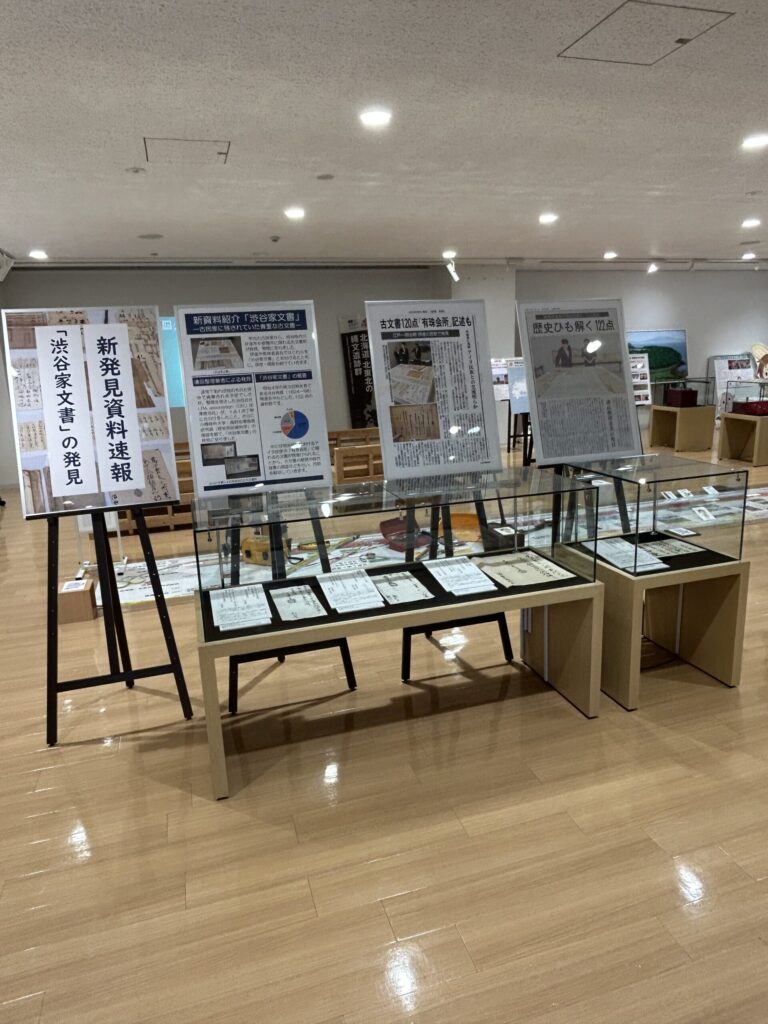
※2024年12月、発見した渋谷家文書はだて歴史文化ミュージアムにて速報展が開催された。
渋谷家文書は、私が伊達市で2023年11月、遺品整理の現場から廃棄の水際で救出した、近世から近代にかけての文書群です。
そこには地域史に加え、アイヌ民族に関係する情報、数十名の個人名や、米やタバコの支給、松浦武四郎の著書に出てくる、「サメモン」というアイヌの青年が発見したウス牧場、ウス会所資料に給与明細に名前の記述などが含まれていました。
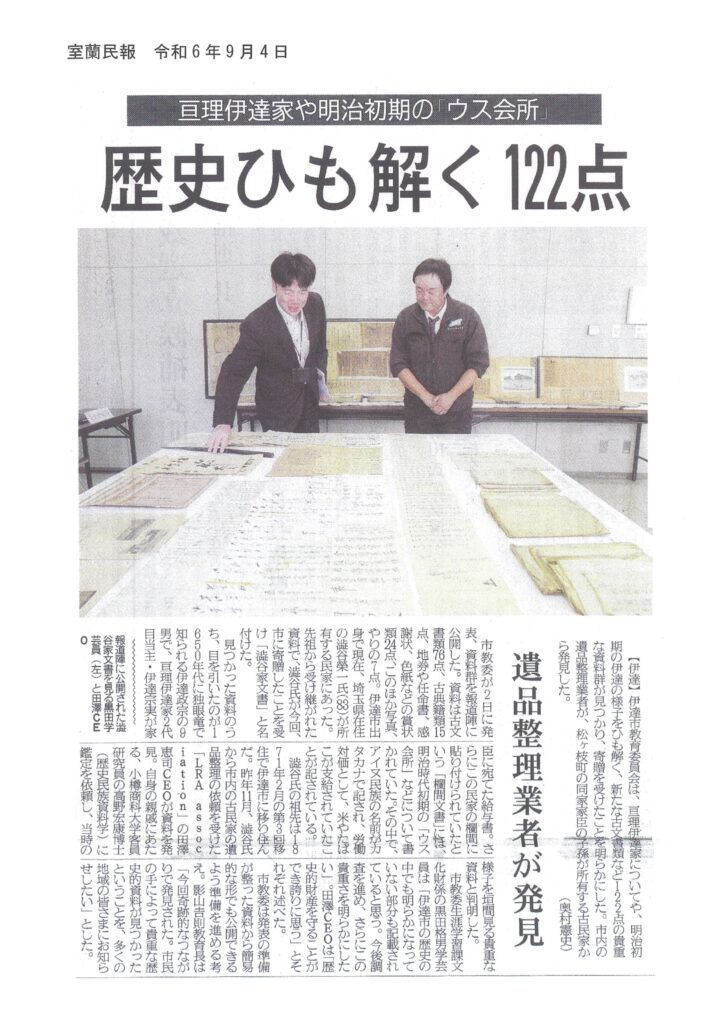
※伊達市教育委員会から送られてきた新聞のPDF
ウス会所自体、今まで活動が不明な部分もあり、現在初めて活動詳細がわかる資料だと聞いております。
遺品整理士認定協会にレポートとして提出する為、また、寄贈者澁谷様に真実を伝える為、発見者として各関係機関にレファレンスをかけました。
北大でのレファレンスでは、「非常に希少な資料群は間違いない」
国立機関であるウポポイでは、一部を紐解き「イリコ貿易や、ウス牧場に関する、
希少な地域史及び「北方史」との見解を述べて頂きました。また、1600年代に伊達宗実が書いた黒印状や、全国に数点しかない兵法書、(写本と思われる)諸々の複合的アーカイブの資料群でした。
発見の経緯など寄贈者澁谷様の目線で公式ホームページから確認出来ます。近いうちに、渋谷家文書を寄贈主様のHPより紐解いていきたいと思います。
渋谷家文書発見経緯及び、資料群を寄贈者様が紐解いているHPです。
https://shibuyake.jimdofree.com
一方、今回取り上げているビルマ関係資料群は、第二次世界大戦期の軍歴・戦場体験・医療・復員・戦友会記録を中心とするものです。
両者は別系統であり、それぞれ異なる歴史的文脈を持っています。
しかし、二つの資料群には共通するものがあります。
それは、
「廃棄される寸前だった」
という一点です。
10.廃棄の水際から、歴史の空白を埋める
私の仕事は、本来「遺品整理」です。
しかし、現場で資料に出会った時、それを単純に「不要品」として扱えば、その瞬間に歴史の一部が失われることがあります。
だからこそ私は、
歴史保全型遺品整理
という考え方を実践しています。
これは、遺品整理士が歴史学者になるという意味ではありません。
そうではなく、
廃棄される前に資料の存在を認識し、資料同士の関係を壊さず、可能な限り来歴を保ちながら整理・保存につなげる。
その役割を、現場の実践者として担うという考え方です。
今回も、もともとはばらばらになっていた資料を一つずつ確認し、人物、部隊、年代、戦友会、出版物、写真などの関係を整理することで、初めて見えてきたものがあります。
一枚の写真。
一つの年月日。
一人の名前。
一冊の本。
それらをつなぎ合わせることで、80年以上前の時間が再び立ち上がってきます。
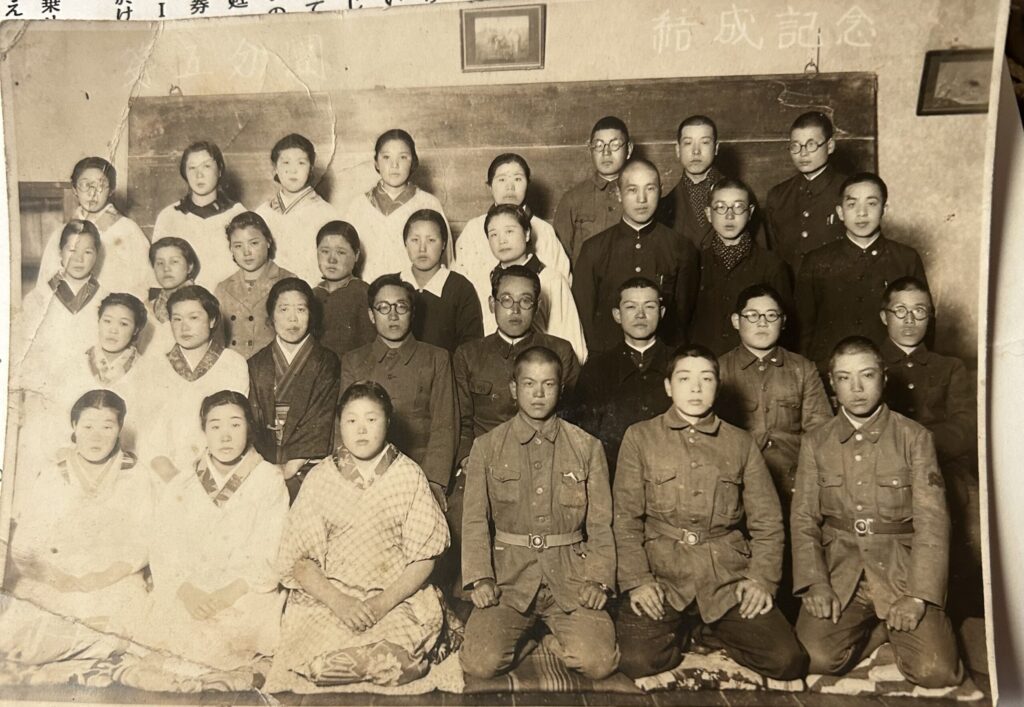
※下記の写真には、第五分団結成記念と読み取れる。岩内青年団の表彰などある事と、学生服が目立つ事を考えると、戦時中の青年団か?(あくまで推測です。)
11.ICA-EGIMとの対話から学んだ国際的な視点
この活動を進める中で、私はICA Expert Group on Indigenous Matters(EGIM)とも対話する機会を得ました。
2026年3月25日付の書簡では、共同議長のKirsten Thorpe氏らから、私が廃棄の時点で介入し、資料を公的保存につなげた活動について、
“a meaningful contribution to the protection of cultural heritage”
という趣旨の評価が示されています。
一方で、同じ書簡では、EGIMには個別事例を評価・認証する権限がないことも明確に説明されています。
したがって、ここを誤解してはいけません。(私は英語が不得意な為、ここで勘違いをしました苦笑)
ICA、ICA-EGIM、UNESCOから、この個別事例について公式な承認・認証・支持を受けたという意味ではありません。
これは非常に重要な区別です。
私がICA-EGIMとの対話を通じて得たものは、
Tandanya-Adelaide Declarationという国際的な原則を知り、それを自らの歴史保全型遺品整理の実践を考える際の枠組みとして取り入れている
ということです。
そして2026年7月の書簡では、EGIM共同議長から、同宣言を自身のアドボカシーのための枠組みとして活用することは歓迎する一方、EGIM・ICA・UNESCOによる公式な承認と受け取られる表現は避けるよう明確な説明を受けています。
私はこの線引きを尊重します。
12.歴史を残すのは、研究者だけではない
ここの部分に関しては、役割を明確に線引きしたいと思います。私の提唱する歴史保全型遺品整理・LRAモデルとは、あくまで廃棄の水際に立ち、仕分けをし、整理したのちに、学術界に橋渡しをする役割だと定義致します。歴史資料は、大学や博物館だけで発見されるものではないからです。
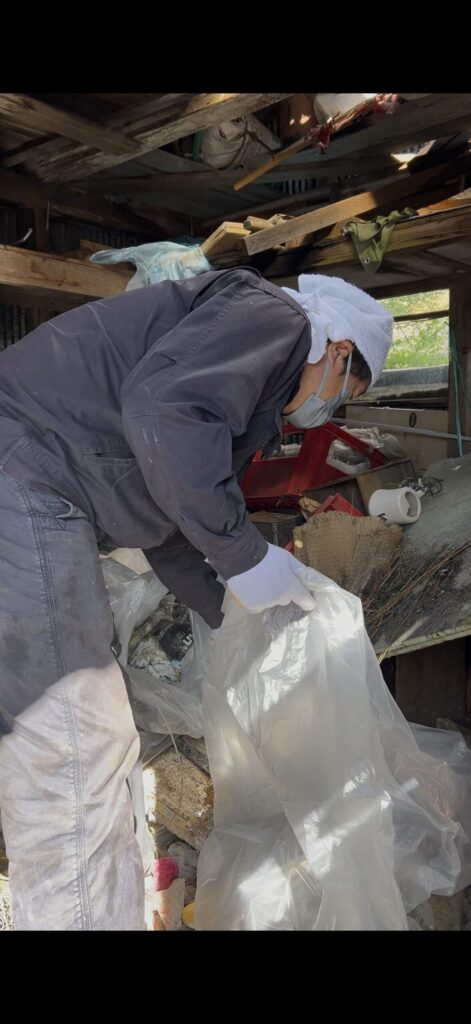
※故人がビルマから持ってきたと思われる戦友の水筒等が見つかった物置。※死後10年、心なき人々がゴミを捨てた結果、物置は荒れに荒れた。許せない行為です。
一般家庭の押し入れ。
納屋。
物置。
倉庫。
そして、遺品整理の現場。
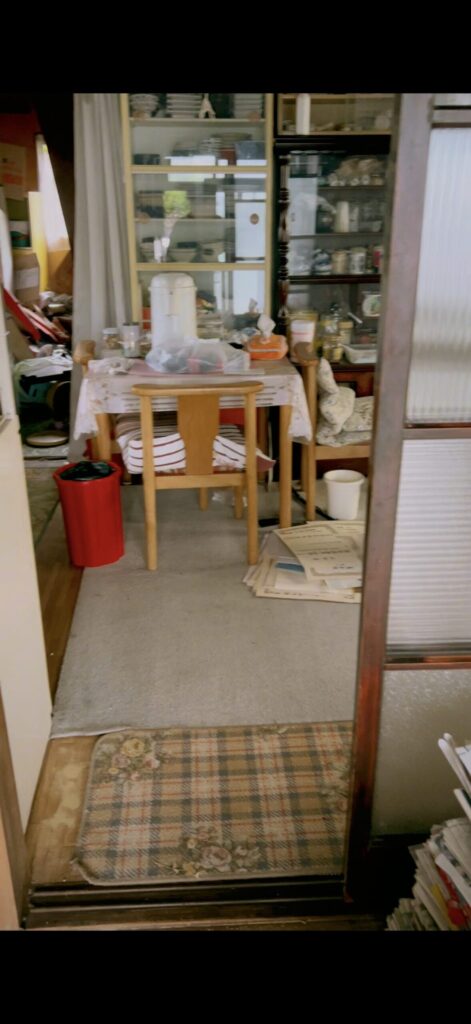
※バラバラに散逸していた状態。集中して仕分けし、各部屋から故人の記憶のピースが集まってゆく。そして多国籍資料群が完成した。
そこに、まだ誰にも読まれていない歴史が眠っていることがあります。
今回の資料も、誰かが「価値のある資料だから保存しよう」と最初から考えていたわけではありません。
廃棄される可能性のある場所にあったものを、現場で一度止めた。
そして、ばらばらだった資料を確認し、人物と年代と出来事をつなぎ直していった。
その結果として、
戦場
↓
復員
↓
戦友会
↓
20周年
↓
25周年
↓
28周年
↓
回顧録
↓
個人による後年の記録
↓
戦友会の終焉
という、一つの長い時間軸が見えてきました。
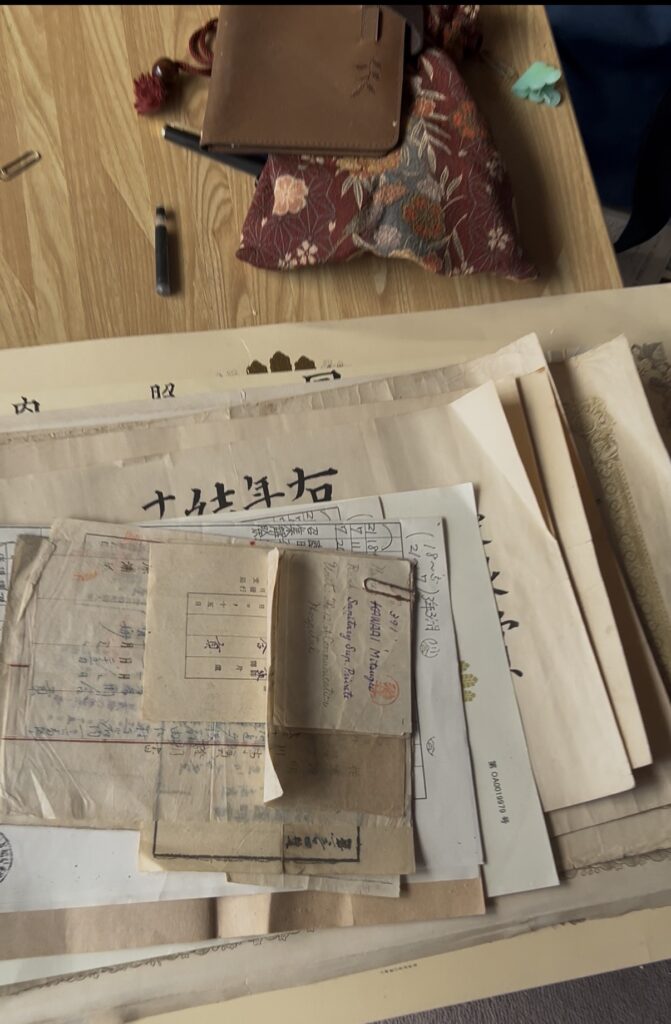
私の理想は、現在世界中で懸念されている廃棄の水際を遺品整理業者が担い、学術界に橋渡しをし、消え去る運命にあった歴史・故人の想いを後世に正しく伝える事です。
寄贈先について
現在、この資料群については、発見から約4ヶ月が経過した時点でも、最終的な寄贈先は決定していません。
これは、単に資料をどこかへ移せばよいと考えているわけではないためです。
御遺族の意向を尊重しながら、資料の内容や来歴を正しく理解し、適切な保存・整理・研究・公開につなげてくれる資料館、博物館、公文書館等への寄贈を希望しています。
寄贈先については国内に限定しておらず、資料を適切に扱い、その歴史的背景と資料としての価値を尊重して保存・継承していただける機関であれば、海外の機関も選択肢として考えています。
私自身が資料の最終的な価値を決めるのではなく、発見者・遺品整理の実践者として、資料が失われないよう保全し、適切な保存先につなぐことを大切にしています。
これは、私が考える歴史保全型遺品整理・LRAモデルにおいても重要な部分です。
「救出して終わり」ではなく、「誰が、どのように、次の世代へ残していくのか」まで考える。
それが、今回の資料群を扱う上での私の考えです。
おわりに――「遺品」を「歴史」に戻す
『ビルマ戦陣回顧録』と『一軍医がみたビルマ敗退戦』。
この二つを読み比べることで見えてくるのは、単なる戦争体験談ではありません。
そこには、戦争を経験した人々が、戦後何十年にもわたって自分たちの記憶を残そうとした過程があります。
そして、その記憶を保存していた人が亡くなれば、資料そのものも廃棄の危機にさらされます。
だからこそ、遺品整理にはもう一つの役割があるのではないでしょうか。
それは、
人の人生を整理するだけではなく、その人が生きた時代まで失わないこと。
廃棄される物の中から、歴史的意味を持つものを見つける。
ばらばらになった資料をつなぎ直す。
断定できないことは断定せず、推定は推定として残す。
そして、可能な限り次の世代へ渡す。
各家族の、ルーツや、残された記憶を学術界だけでなく、個々に関わってきた御依頼者様に紡ぐ事もそうです。
私は、それを歴史保全型遺品整理の一つの役割だと考えています。
80年以上前の一枚の紙が、今日、再び語り始める。
それは、遺品整理の現場だからこそ起こり得る、歴史との出会いなのです。
記憶を廃棄しない。
人の想いを未来へつなぐ。
それが、
私が実践する歴史保全型遺品整理・LRAモデルです。
必ず故人が生きた人生を無駄にせず、未来の教訓として世に伝えたいと思います。戦争の愚かさを。
故人、並びに元ビルマ派遣第121兵站病院に捧ぐ。
合同会社 LRA association
代表 田澤 恵司
歴史保全型遺品整理 実践者
Tandanya-Adelaide Declaration 実践者
※本稿における歴史的評価・年代推定は、現在確認できる資料に基づくものです。資料の発行年、執筆意図、人物間の影響関係など、現時点で一次資料による確定が困難な事項については、断定を避けています。また、引用部分は資料の所在・内容を示す目的で必要最小限に紹介しており、原資料そのものの代替を意図するものではありません。
History Rescued at the Brink of Disposal
What “The Burma Campaign Memoirs” and A Military Surgeon’s View of the Burma Retreat Reveal 81 Years After the War
LRA association LLC
Representative: Keiji Tazawa
Practitioner of History-Preservation-Oriented Estate Clearing
Practitioner of the Tandanya-Adelaide Declaration
Introduction
In the course of estate clearing, materials sometimes remain that cannot be adequately described as ordinary personal belongings.
Photographs, letters, military records, records of veterans’ associations, memoirs, old publications, and documents carefully preserved by an individual over many decades can all survive within a private residence.
Their historical significance does not necessarily disappear when their owner dies.
In some cases, it is only after the owner’s death that such materials reveal themselves as important sources for understanding not only an individual life, but also local history, wartime history, and the social history of a particular period.
During the course of rescuing materials from the brink of disposal and reconstructing them from a fragmented state, I encountered an especially interesting relationship between two sources:
The Burma Campaign Memoirs
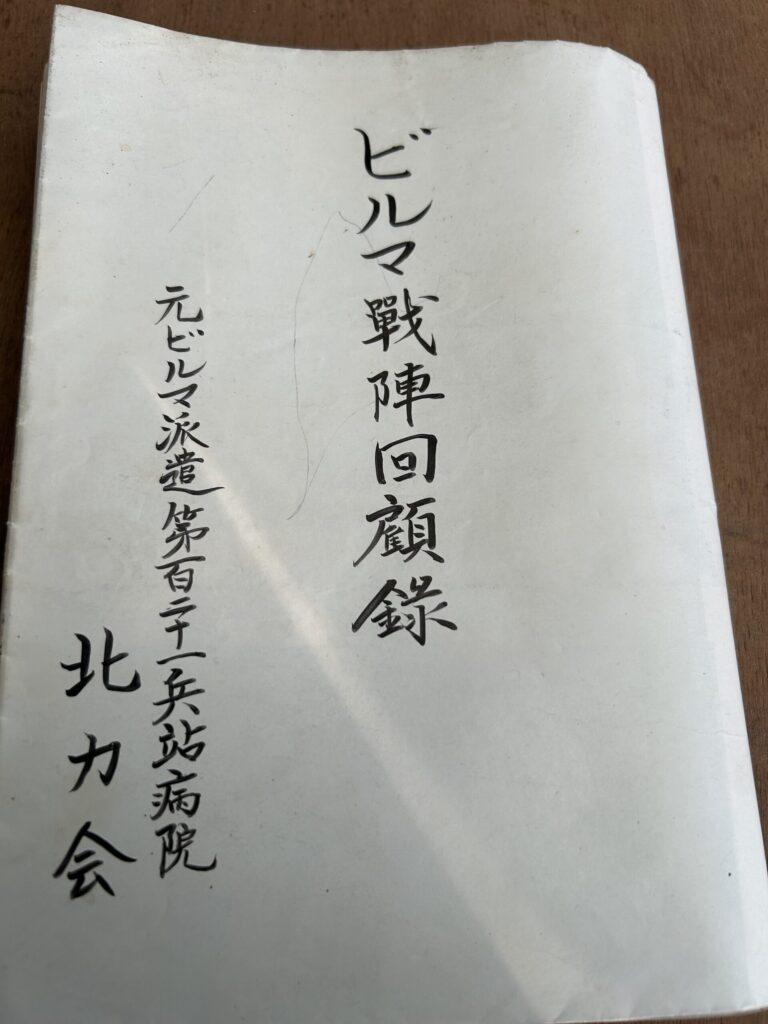
and
A Military Surgeon’s View of the Burma Retreat by Giichi Kyono.
The materials discussed here concern the Burma campaign of the Second World War, as well as the postwar memories preserved by former members of the relevant military medical unit and their comrades.
It is important, when dealing with historical materials, to respect the provenance and context of each source rather than treating different materials as though they were one single record.
1. “The Burma Campaign Memoirs” as a Historical Record
Among the materials I encountered was a record of wartime experiences compiled by people associated with the former 121st Communication Hospital of the Burma campaign.
Rather than being a conventional commercial publication, this appears to have the character of a privately produced record associated with former members and their comrades.
For this reason, tracing its publication history through ordinary used-book markets or general databases is not necessarily straightforward.
Yet, as the material is examined, important clues emerge.
One such clue concerns the activities of the veterans’ association itself.
2. “Hokuryokai 20th Anniversary — August 6, 1973, Sapporo”
Within the memoirs of the late Mitsugu Kawai, there is a photograph bearing the notation:
“Hokuryokai 20th Anniversary — August 6, 1973 — Sapporo.”
This is an important chronological clue.
1973 was 28 years after the end of the war.
The material therefore provides evidence that activities involving former members and related veterans were continuing at least at that point in the postwar period.
The records also contain recollections by veterans, information concerning their families, records relating to those who died during the war, and accounts of their military service.
They therefore document not merely events on the battlefield, but also how people who experienced the war themselves attempted to remember and preserve those experiences after returning to civilian life.
3. From the Veterans’ Records to A Military Surgeon’s View of the Burma Retreat
Another particularly interesting source appears within the collection.
This is Giichi Kyono’s book,
A Military Surgeon’s View of the Burma Retreat.
Unlike The Burma Campaign Memoirs, which has the character of a record associated with a veterans’ organization, this is a book authored and published by Kyono himself and is now out of print.
The book contains an important passage concerning a gathering held in Sapporo:
“On August 11 and 12, 1973, the 28th anniversary national reunion of former members of the 121st Communication Hospital, the unit to which I had belonged, was held in Sapporo.”
This provides an important point of connection with the other material.
Sapporo.
The 121st Communication Hospital.
Former members of the unit.
And a national reunion.
The specificity of these details makes the relationship between the sources worthy of further examination.
4. From the 20th Anniversary to the 28th Anniversary — An Eight-Year Timeline
The materials contain two particularly useful chronological references.
One photograph is identified as:
August 6, 1973
Hokuryokai 20th Anniversary
Sapporo
Meanwhile, A Military Surgeon’s View of the Burma Retreat refers to:
August 11–12, 1973
28th Anniversary National Reunion
Sapporo
These records demonstrate that veterans’ activities were still taking place in 1973.
They also provide a chronological framework for examining the development of the veterans’ records.
Based solely on the materials currently available, it is possible to consider that The Burma Campaign Memoirs may have been produced sometime after 1973 and before the publication of Kyono’s later book.
However, this point must be treated carefully.
If the publication date of The Burma Campaign Memoirs cannot be established directly from the surviving source material, it would be inappropriate to state its publication year as a fact.
Accordingly, the appropriate description is:
Based on the chronological relationships visible in the surviving materials, the memoirs may have been produced after 1973.
Distinguishing between what can be established from the evidence and what remains a reasonable inference is an essential part of responsible historical preservation.
5. Giichi Kyono Himself Wrote in “The Burma Campaign Memoirs”
Another particularly significant point is that Giichi Kyono himself contributed writing to The Burma Campaign Memoirs.
Later, in A Military Surgeon’s View of the Burma Retreat, he recorded his experiences of the Burma campaign in greater detail.
This raises an interesting possibility.
The development of the surviving records may be understood, provisionally, as something like:
Collective remembrance by the veterans’ association
↓
Individual recollections by former members
↓
Later, more detailed personal documentation by Kyono
It would, however, be inappropriate to assert without additional primary evidence that Kyono wrote his later book specifically in response to another individual’s account or with the intention of supplementing it.
Nevertheless, when the surviving materials are arranged chronologically and read alongside one another, such a relationship becomes a legitimate subject for further investigation.
In particular, comparing the writings of Yoshiaki Otani with Kyono’s later descriptions may reveal areas in which memories of the final stages of the Burma campaign overlap.
This is historically significant.
A single testimony may initially appear to represent an individual’s memory. When another independent record contains related information, however, it becomes possible to examine the broader structure of collective wartime memory.
6. Those Who Wrote and Those Who Did Not
There is another question that I believe deserves consideration.
Writing down one’s experience of war is not necessarily easy.
For people who experienced the battlefield directly, recording what happened may have involved considerable psychological difficulty, particularly when the account contained events or circumstances that later generations might find difficult to confront.
Therefore, historical research should consider not only:
What was written?
but also:
Why was it written?
and:
Why did others not leave written records?
The writings left by Otani and Kyono should not be understood simply as records intended to glorify war.
They contain attempts by individuals to preserve their own memories of what they experienced.
The very act of recording those memories may itself have required considerable personal resolve.
This is my own observation based on examining the materials, rather than a definitive conclusion.
Nevertheless, I believe it is an important question when considering how such records should be passed on to future generations.
7. From a Veterans’ Association That Preserved Memory to Its Dissolution
Another story emerging from these materials is the passage of time itself.
In the years following the war, those who had served together could meet again, commemorate those who had died, exchange information, and speak directly about their experiences.
20th anniversary.
25th anniversary.
28th anniversary.
30th anniversary.
Over the years, veterans’ associations produced records, preserved photographs, compiled lists of members, and recorded individual memories.
But such organizations cannot continue indefinitely.
As time passes, their members inevitably grow older.
Eventually, the veterans’ association itself reaches the point where it can no longer continue in its original form.
When the people are gone, the direct voices of those memories disappear as well.
In that sense, The Burma Campaign Memoirs and individual memoirs are not simply old books.
They are also potentially among the surviving memory media of a period when the veterans’ association itself was still active.
8. What This Discovery Reveals as a “Multinational Collection”
The materials I rescued through estate clearing are not limited to a single book.
They include materials relating to the veteran’s return from the Burma campaign, military service records, medical records, repatriation documents, certificates relating to international conventions, veterans’ association records, personal recollections, and physical artifacts.
Together, they contain traces connecting:
The Japanese military
The Burma campaign
Thailand
Allied administration
The Red Cross
Repatriation
Quarantine
Postwar Japan
For this reason, I believe these materials should not simply be regarded as a collection of military memorabilia.
They should instead be considered as a:
multinational and multi-layered historical collection
requiring careful consideration of the different geographical, institutional, and historical contexts represented within it.
9. Another Collection — The Shibuya Family Documents
It is important to make one distinction absolutely clear.
The Burma-related materials and the Shibuya family documents are two separate collections.
The Shibuya family documents were rescued by me from the brink of disposal during an estate-clearing operation in Date City, Hokkaido, in November 2023.
They consist of documents dating from the late Edo period through the early Meiji period.
Among the materials are information relating to Ainu people, personal names, records concerning the distribution of rice and tobacco, and references connected with Matsuura Takeshiro and an Ainu youth known as “Samemon.”
The materials also include records associated with the Usu trading post, including information that may help illuminate aspects of its activities that have previously remained unclear.
In preparing a report for the Association of Certified Estate Organizers, and also in order to communicate the historical findings to the donor, I sought references from relevant institutions as the discoverer of the materials.
Through inquiries with Hokkaido University, I was informed that the collection was considered to be highly rare.
At the National Ainu Museum, portions of the documents were examined, including material relating to trade and the Usu pasture, and their potential significance in regional and northern Japanese history was discussed.
The collection also includes a black-seal document associated with Date Muneshige, a military treatise apparently surviving as a manuscript, and other materials forming a complex archival collection.
The circumstances of the discovery and information about the collection are also available through the donor’s website:
Shibuya Family Documents — Discovery and Collection Information
The Burma-related materials, by contrast, concern the Second World War, military service, battlefield experiences, medical history, repatriation, and veterans’ association records.
The two collections belong to different historical contexts and must not be conflated.
Yet they share one important characteristic:
Both were at the brink of disposal.
10. From the Brink of Disposal to Filling Gaps in History
My profession is, fundamentally, estate clearing.
However, when historically significant materials are encountered in the field, treating them simply as unwanted possessions can result in the irreversible loss of part of our history.
This is why I practice what I describe as:
History-Preservation-Oriented Estate Clearing
This does not mean that an estate-clearance practitioner becomes a historian or academic researcher.
Rather, it means:
Recognizing potentially significant materials before they are discarded, preserving their relationships as far as possible, documenting their context, and connecting them with appropriate institutions or researchers where further academic examination is necessary.
This is the role I seek to fulfill as a practitioner working at the point of disposal.
In this case as well, the materials were initially fragmented.
By examining each item and reconstructing relationships among individuals, dates, military units, veterans’ associations, publications, and photographs, a larger picture began to emerge.
A photograph.
A date.
A person’s name.
A book.
By reconnecting these fragments, a period more than 80 years in the past can begin to speak again.
11. What I Learned Through Dialogue with ICA-EGIM
As I continued this work, I had the opportunity to engage in dialogue with the ICA Expert Group on Indigenous Matters (EGIM).
In a letter dated March 25, 2026, the Co-Chairs of the ICA Expert Group on Indigenous Matters, including Kirsten Thorpe, acknowledged the work I had described.
They wrote that the work of intervening at the point of disposal and helping ensure that the documents entered public preservation represented:
“a meaningful contribution to the protection of cultural heritage.”
At the same time, the letter clearly explained that EGIM does not have a mandate to assess or provide formal guidance on individual cases.
This distinction is extremely important.
As English is not my first language, I initially misunderstood this point. Looking back, I can understand how I came to that misunderstanding.
This should not be understood as an official endorsement, certification, or validation of this individual case by ICA, ICA-EGIM, or UNESCO.
I therefore do not present it in that manner.
What I gained through dialogue with ICA-EGIM was an opportunity to learn about the:
Tandanya-Adelaide Declaration
and to incorporate its principles as an international framework when considering my own practice of history-preservation-oriented estate clearing.
In July 2026, the Co-Chairs also clarified that while the Declaration could appropriately be cited and used as an advocacy framework, correspondence with EGIM should not be presented as formal endorsement by EGIM, ICA, or UNESCO.
I respect that distinction.
The role of the Tandanya-Adelaide Declaration in my work is therefore best described as:
A set of international principles that I learned about through dialogue with ICA-EGIM and that I have adopted as a framework for thinking about and developing my own practice.
12. Preserving History Is Not the Responsibility of Researchers Alone
At this point, I would like to clearly define the role of what I call the LRA model of history-preservation-oriented estate clearing.
My role is not to replace historians, archivists, museums, universities, or other specialist institutions.
Rather, it is to:
stand at the brink of disposal,
identify potentially significant materials,
sort and preserve them with their relationships intact as far as possible,
document what can be established,
and build a bridge to the academic and cultural-heritage communities.
Historical materials are not discovered only in universities and museums.
They may still be found in:
- Family homes
- Attics
- Sheds
- Storage rooms
- Warehouses
- Estate-clearance sites
There may be histories sleeping in places where nobody expects to find them.
The same principle applies to the materials discussed here.
Someone did not necessarily begin by thinking, “These are historically significant materials that must be preserved.”
They were simply materials at risk of disposal.
The first step was to stop that process.
The next was to examine the fragmented materials and reconstruct the relationships among people, dates, events, publications, and organizations.
Only then did a longer historical timeline begin to emerge:
Battlefield
↓
Repatriation
↓
Veterans’ association
↓
20th anniversary
↓
25th anniversary
↓
28th anniversary
↓
Memoirs
↓
Later individual records
↓
The eventual end of the veterans’ association
I hope that estate-clearance practitioners can increasingly serve as a point of intervention at the brink of disposal, while building appropriate bridges to the academic community, so that histories and the thoughts of the people who lived them are not simply lost.
Donation and Future Preservation of the Materials
At the time of writing, approximately four months have passed since the discovery of this collection, yet its final recipient has not been determined.
This is not because we believe the materials should simply be transferred to any institution.
Rather, we wish to respect the wishes of the bereaved family while seeking a museum, archive, memorial museum, or other appropriate institution that can properly understand the content and provenance of the materials and connect them to appropriate preservation, cataloguing, research, and public access.
We are not limiting potential recipients to institutions in Japan. If an overseas institution is able to appropriately care for the materials and respects their historical background and value as archival records, institutions outside Japan may also be considered.
I do not regard myself as the person who should determine the ultimate historical value of these materials. As the discoverer and a practitioner of estate clearing, my responsibility is to prevent historically significant materials from being lost and to help connect them with an institution capable of preserving them appropriately.
This is also an important part of what I understand as History-Preservation-Oriented Estate Clearing and the LRA Model.
It is not enough to rescue historical materials and stop there. We must also consider who will preserve them, how they will be cared for, and how they can be passed on to future generations.
That is my approach to the preservation and future of this collection.
Conclusion — Returning “Personal Belongings” to History
The Burma Campaign Memoirs and A Military Surgeon’s View of the Burma Retreat reveal more than accounts of wartime experiences.
They show how people who lived through the war attempted to preserve their memories for decades after the conflict ended.
And when those people pass away, the materials that preserved those memories can themselves become vulnerable to disposal.
This is why I believe estate clearing may have another important role.
It is not merely about organizing the belongings left behind by a person.
It can also be about ensuring that the historical period in which that person lived is not lost with them.
Identify potentially significant materials before disposal.
Reconnect fragmented records.
Distinguish established facts from inference.
Avoid unnecessary conclusions.
And, wherever possible, connect the materials with the next generation of custodians, researchers, and institutions.
I regard this as one of the roles of history-preservation-oriented estate clearing.
More broadly, I hope this approach can help preserve the roots and memories of individual families and return those stories to the people and communities connected to them, while also creating appropriate pathways toward academic research and cultural-heritage preservation.
A single piece of paper from more than 80 years ago can begin speaking again today.
That is one of the encounters with history that can take place precisely because estate clearing occurs where it does.
Do not discard memory.
Connect the thoughts of those who came before us to the future.
This is the LRA model of history-preservation-oriented estate clearing that I seek to practice.
I am determined to ensure that the life this individual lived is never forgotten or rendered meaningless, but instead is preserved and shared with future generations as a lesson for humanity.
Above all, I hope that his life and experiences will help future generations understand the futility and tragedy of war.
Dedicated to the memory of the deceased, and to all those who served with the former 121st Communication Hospital of the Burma campaign.
LRA association LLC
Representative: Keiji Tazawa
Practitioner of History-Preservation-Oriented Estate Clearing
Practitioner of the Tandanya-Adelaide Declaration
Note: The historical assessments and chronological interpretations in this article are based on the materials currently available for examination. Where publication dates, authorial intentions, relationships between individuals, or other matters cannot presently be established through primary sources, they are not presented as definitive facts. Quotations are included for the limited purpose of identifying and discussing the content and context of the source materials and are not intended to substitute for the original sources.