先日、角田石川家分家資料について室蘭市教育委員会へ連絡しようとして、電話番号を間違えて伊達市教育委員会にかけてしまいました。
思いがけない間違い電話。
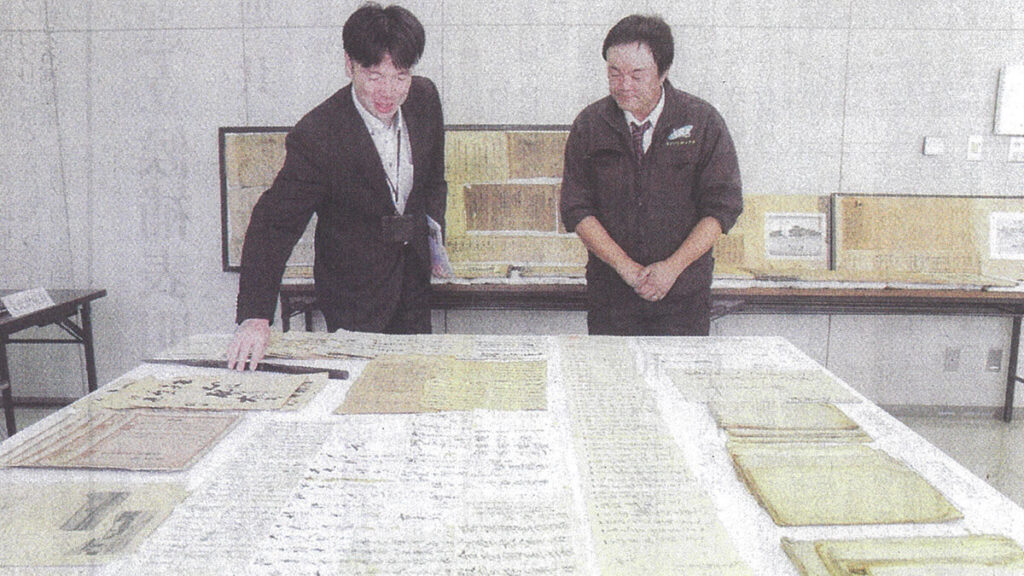
せっかくなので、以前、私が遺品整理の現場で見つけた渋谷家文書について、担当していた学芸員の方に、その後どうなっているのかを少し伺いました。
そこで、私は思わず嬉しくなる話を聞きました。
以前は、渋谷家文書を一人当事者の方に見てもらっていました。
そして今回、その後の話として、せっかくなら一人だけではなく、ある程度まとまった人数が集まるような状況になったところで、当事者の方々に資料を見てもらいたい、という趣旨の話がありました。
その話を聞いたとき、私は嬉しさを抑えることができませんでした。
2023年、処分される可能性のあった資料を見つけたところから始まった渋谷家文書が、少しずつ、その資料に関係する人たちへつながろうとしている。
そのことが、とても嬉しかったのです。
目次
廃棄の水際から、その先へ
渋谷家文書との出会いは、2023年の遺品整理でした。
ご依頼の中で処分される可能性のあった家財の中から、私は122点の古文書を見つけました。
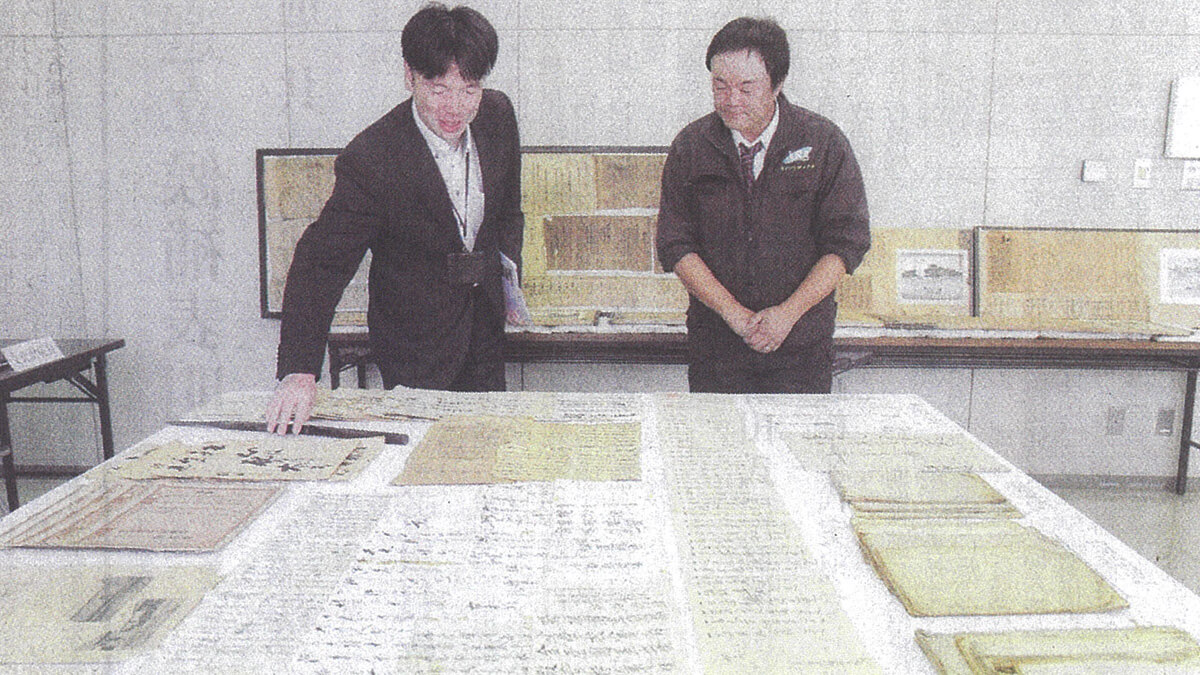
それらは、江戸時代末期から明治初期にかけての渋谷家に関する記録であり、旧伊達藩士の家系に関する資料や、当時の地域社会を知る手掛かりとなる記録が含まれていました。
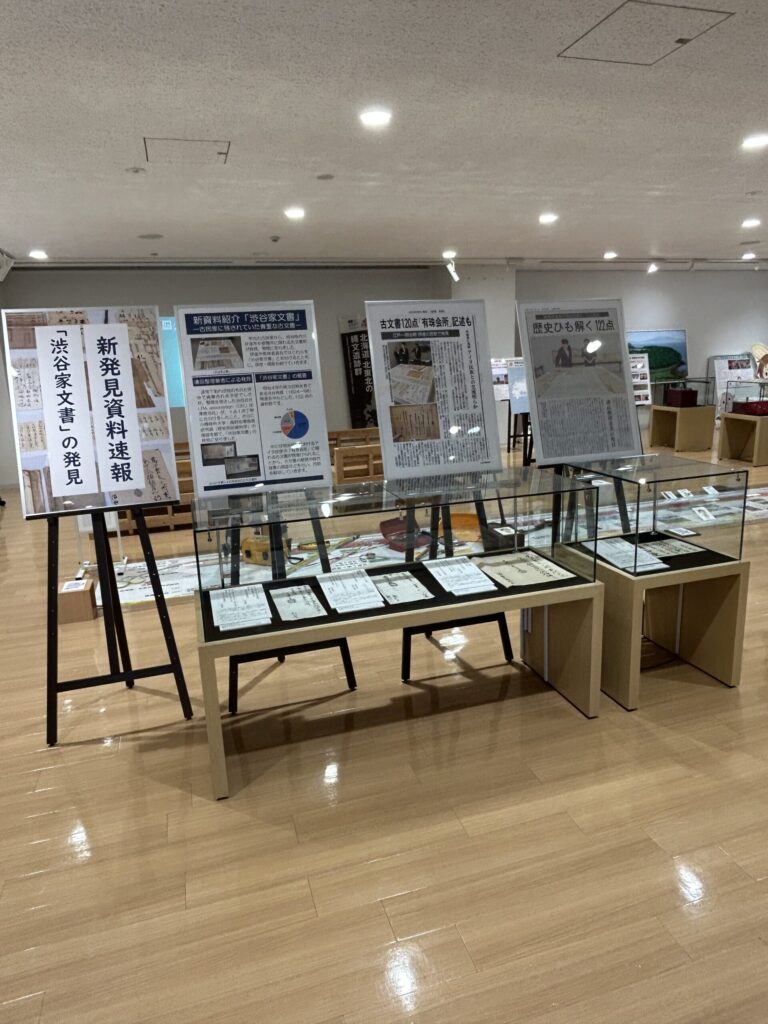
その後、専門家への相談や調査につながり、資料は保存されることになりました。
そして今、その資料が、一人の人だけではなく、そこに記録された歴史に関係する当事者の方々へとつながろうとしています。
廃棄される可能性のあった資料が、
発見され、寄贈、公的機関を経て、当時者に繋がる。
その流れの中で、今回の話を聞けたことを、私は本当に嬉しく思いました。
資料は、保存されて終わりではない
歴史資料は、保存することそのものが非常に重要です。
しかし、それだけで終わるものではないと思っています。
そこに記録された人々や土地、出来事を知る人たちへ資料がつながることで、初めて見えてくるものもあります。
一冊の文書、一枚の記録、一つの名前。
資料の中に残された情報が、実際にその歴史と関係する人たちの記憶と出会うことで、新しい意味を持つことがあります。
今回聞いた話は、まさにその一歩なのだと思います。
Tandanya–Adelaide Declarationを踏まえて
私がこのことを考えるうえで、大切にしている考え方の一つがあります。
それが、2019年のTandanya–Adelaide Declarationです。
思えば、今年の1月末にICAに廃棄直前に介入し、廃棄を止め、専門家に繋がり公的機関に繋がったプロセスは、世界ではどの様な位置付けなのかを聞いた事がきっかけで、EGIMの共同議長に繋がり、どの様な活動をされている方達なのか自分なりに調べ、宣言の事や理念を知った。それがなければここまで考える事もなかった様に思う。この宣言を知ってから、私は、先住民の記録や文化遺産について、単に「保存する」だけではなく、当事者であるコミュニティと資料との関係や、資料にアクセスし、知ることの意味について考えるようになりました。
僕が行っている歴史保全型遺品整理は、現存にある文化財保護の形、調査や、初めから資料があるとわかって入る現場ではなく、初めから廃棄が確定している空間から歴史資料を保全する。資料があるかどうかすらわからない手前の入り口で、僕は保全しています。なのでそもそも入り口が違うのです。
渋谷家文書との出会いは、まさにその様な状況下でした。
遺品整理の現場で見つかった資料を保存する。
それだけではなく、
その資料は、誰が1番にアクセスするべきなのか。
そうしたことを考えながら、資料の行方を見ていくことも重要なのだと、勉強させていただきました。
今回、「ある程度まとまった人数が集まったところで、当事者の方々に見てもらいたい」という趣旨の話を学芸員の方から聞けたことは、私にとって大きな意味がありました。
そして、この考え方を深めるうえで、ICAのExpert Group on Indigenous Matters(EGIM)からいただいた助言やアドバイスにも、改めて感謝したいと思います。
資料をどのように捉え、誰との関係の中で考えていくのか。
これまでいただいた示唆は、私自身が現場で資料と向き合ううえで、大切な考え方を学ぶ機会になっています。
今回の出来事を通して、その意味を改めて感じました。
私よりも、資料に関係する人たちが大切
渋谷家文書について、私自身がどう評価されるかということは、私にとってそれほど重要ではありません。
それよりも、この資料に関係する当事者の方々が、実際に資料を見ることができることの方が大切です。
特に、この資料にはアイヌに関係する記録も含まれています。
だからこそ、資料が適切に保存されるだけでなく、関係する方々へつながっていくことを願っています。それこそが、遺品整理の私なりの倫理観です。
私が遺品整理の現場で見つけた資料が、私の手元だけに留まるのではなく、必要としている人たちへつながっていく。
それは、資料を救うということの、その先にある大切な意味だと思っています。
まだ、これから
もちろん、現時点では実際に当事者の方々が資料を見ることが決まったわけではありません。
これからどのような形になるのかも、まだ分かりません。
それでも、「一人に見てもらう」ことから、さらにその先を考えているという話を聞けたことが、私はとても嬉しかった。
一人ではなく、関係する人たちが集まり、資料を見て、そこに残された歴史について知る。
そんな機会が実現するなら、それは渋谷家文書にとっても大きな一歩になるのではないかと思います。
この出来事を、記録として残す
最後に、今回このことを書いたのは、何かを主張するためではありません。
この話を聞いたときに感じた嬉しさと、渋谷家文書がここまでたどってきた過程を、今のうちに記録として残しておきたかったからです。
年月が経てば、誰がいつ何を話したのか、その時にどのような動きがあったのかは、少しずつ曖昧になっていきます。
だからこそ、資料そのものだけではなく、その資料がどのように残され、どのように次の人へつながろうとしているのかという過程も、記録として残しておきたいと思っています。
2023年、廃棄される可能性のあった一つの家の記録。
そこから専門家につながり、保存され、そして今、当事者の方々へつながろうとしています。
今回、別の資料について連絡しようとして、たまたま伊達市教育委員会へ電話をかけてしまったこと。
その偶然の一本の電話から、私は渋谷家文書の「その後」を知ることができました。
まだ、これからの話です。
だからこそ、今のこの瞬間を記録しておきたい。
廃棄の水際から、その先へ。
この資料が、いつか必要としている人たちの目に届くことを願いながら、その歩みを静かに見守っていきたいと思います。
Shibuya Family Documents, Reaching the People Connected to Them — A New Step in Connecting Historical Records
The other day, I was trying to contact the Muroran City Board of Education regarding materials from a branch family of the Kakuta-Ishikawa family, but I accidentally called the Date City Board of Education instead.
It was an unexpected wrong number.
Since I had reached them anyway, I took the opportunity to ask the curator who had previously been in charge of the materials about what had happened since then to the Shibuya family documents that I had discovered during an estate-organizing project.
At that point, I heard something that genuinely made me happy.
Previously, the Shibuya family documents had been shown to one person connected to the history documented in them.
This time, however, I was told that rather than showing the materials to just one person, they would like to wait until a situation arises in which a reasonably sized group of people connected to the materials can gather, and then have the documents shown to them.
When I heard this, I could not contain my happiness.
The story of the Shibuya family documents began in 2023, when I discovered materials that were at risk of being discarded.
Now, little by little, those documents are beginning to make their way toward the people connected to the history they contain.
That made me truly happy.
Table of Contents
- From the Brink of Disposal, and Beyond
- Historical Records Do Not End with Preservation
- Reflecting on the Tandanya–Adelaide Declaration
- The People Connected to the Records Matter More Than Me
- There Is Still More to Come
- Preserving This Moment as a Record
From the Brink of Disposal, and Beyond
My encounter with the Shibuya family documents began during an estate-organizing project in 2023.
Among the household belongings that were at risk of being discarded as part of the project, I discovered 122 historical documents.
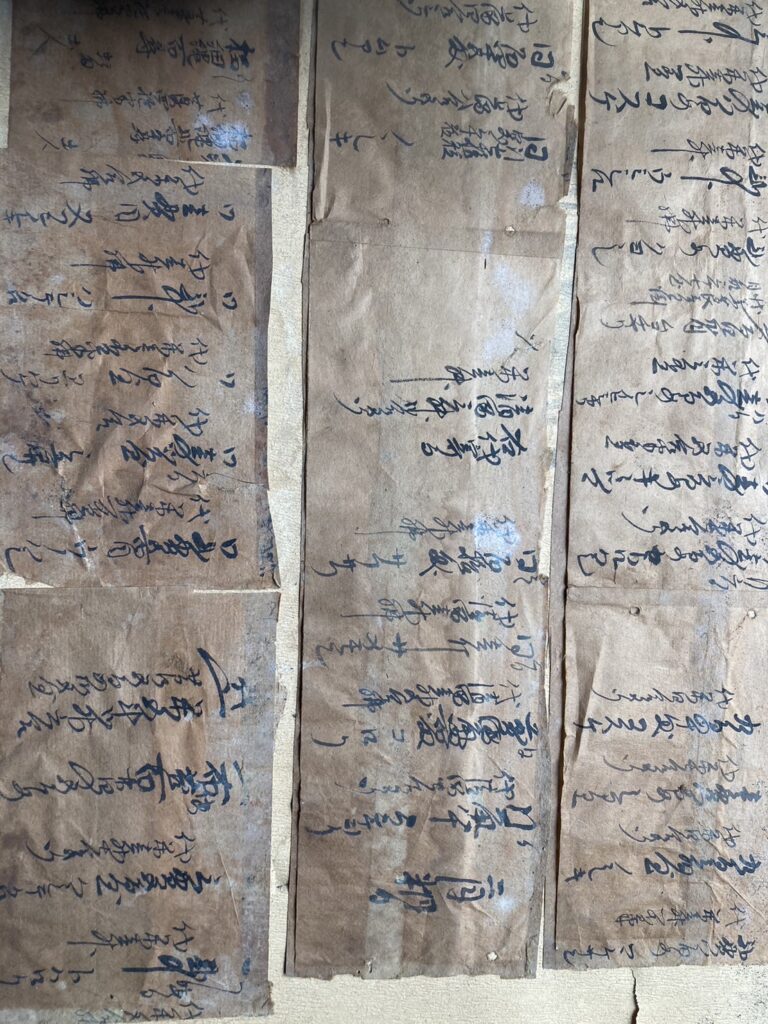
These documents contain records relating to the Shibuya family dating from the late Edo period to the early Meiji period. They include materials concerning the family lineage of former Date Domain samurai, as well as records that provide valuable clues for understanding the local community and society of that time.
After that, the documents were connected to further consultation with specialists and research, and arrangements were made for their preservation.
And now, those documents are beginning to reach not just one individual, but the people connected to the history recorded within them.
Materials that were once at risk of being discarded were:
discovered,
then donated and transferred through a public institution,
and are now beginning to reach the people connected to them.
I was truly happy to hear this story and to learn how far the documents have come.
Historical Records Do Not End with Preservation
Preserving historical records is extremely important in itself.
However, I do not believe that their journey ends there.
When historical records are connected to people who know the individuals, places, and events documented within them, things that could not be seen before may begin to emerge.
A single document. A single record. A single name.
Information preserved within historical records can sometimes take on new meaning when it encounters the memories of people who are actually connected to that history.
I believe that what I heard this time represents precisely such a step.
Reflecting on the Tandanya–Adelaide Declaration
There is one particular way of thinking that has become important to me as I consider these matters.
It is the 2019 Tandanya–Adelaide Declaration.
Looking back, this began in late January of this year, when I contacted the International Council on Archives (ICA) to ask how the process I had been carrying out—intervening immediately before disposal, stopping the disposal, connecting materials with specialists, and ultimately connecting them with public institutions—might be understood in an international context.
That inquiry eventually led me to the Co-Chairs of the ICA Expert Group on Indigenous Matters (EGIM). As I learned more about their work in my own way, I came to know about the Declaration and the ideas behind it.
I do not think I would have thought about these matters as deeply as I do now if that had not happened.
After learning about the Declaration, I began to think not only about the preservation of Indigenous records and cultural heritage, but also about the relationship between records and the communities to whom they belong, and about what it means for people to have access to those records and to know what they contain.
The form of historical preservation that I practice through estate organizing begins from a different point of entry from existing approaches to cultural heritage protection.
It does not begin with an investigation of a site where historical materials are already known to exist.
Instead, I work in spaces where disposal has already been decided.
At the point where I enter, I do not even know whether historical records are there.
I am preserving materials from that point just before they would otherwise disappear.
That is why, in the first place, the point of entry is different.
My encounter with the Shibuya family documents took place under exactly those circumstances.
To preserve materials discovered during an estate-organizing project is important.
But it is not the only question.
Who should have access to those materials first?
Through this experience, I have been learning that it is also important to consider that question while following where the records go and what happens to them.
For me, it was especially meaningful to hear the curator say that they would like to have the people connected to the materials see them once a reasonably sized group could gather.
I would also like to express my renewed gratitude to the ICA Expert Group on Indigenous Matters (EGIM) for the advice and guidance they have given me as I have developed my thinking in this area.
How should we understand historical records, and in relation to whom should we consider them?
The insights I have received so far have given me an important opportunity to learn how to approach historical materials in the field.
Through what happened this time, I was reminded once again of the meaning of those lessons.
The People Connected to the Records Matter More Than Me
When it comes to the Shibuya family documents, how I myself am evaluated is not particularly important to me.
What matters more is that the people connected to these materials are actually able to see them.
In particular, these documents also contain records relating to the Ainu.
For that reason, I hope that the materials will not only be properly preserved, but will also be connected to the people who are related to them.
That, for me, is part of the ethical approach I try to bring to estate organizing.
The materials I discover during estate-organizing projects should not simply remain in my possession.
They should, whenever possible, be connected to the people who need them and to those who have a meaningful relationship with their history.
I believe that this is an important meaning of what it means to rescue historical records—what comes after they have been saved.
There Is Still More to Come
Of course, at this point, it has not yet been decided that the people connected to the materials will actually come to see them.
I also do not yet know what form this will ultimately take.
Even so, I was very happy to hear that they are thinking beyond simply having one person see the documents.
Rather than just one person, I hope that people connected to the materials will be able to gather, see the documents, and learn about the history preserved within them.
If such an opportunity eventually becomes possible, I believe it could be an important step forward for the Shibuya family documents as well.
Preserving This Moment as a Record
Finally, I did not write about this because I wanted to make any particular claim.
I wanted to record, while I still can, the happiness I felt when I heard this news and the journey that the Shibuya family documents have taken to reach this point.
As the years pass, memories of who said what, when something happened, and what actions were taken at the time gradually become less clear.
That is why I want to preserve not only the documents themselves, but also the process of how those materials were preserved and how they are beginning to connect with the next people.
In 2023, there was a family’s historical record that was at risk of being discarded.
From there, it was connected with specialists, preserved, and now it is beginning to reach the people connected to its history.
This time, I happened to call the Date City Board of Education by mistake while trying to contact them about another set of historical materials.
That one unexpected phone call allowed me to learn what had happened to the Shibuya family documents since then.
There is still more to come.
And that is precisely why I want to record this moment as it is.
From the brink of disposal, and beyond.
I hope that one day these materials will reach the eyes of the people who need them, and I will quietly continue to watch where their journey leads.