
2023年11月。
伊達市で行った遺品整理の現場で、処分されるはずだった古文書を見つけました。
それから約3年。
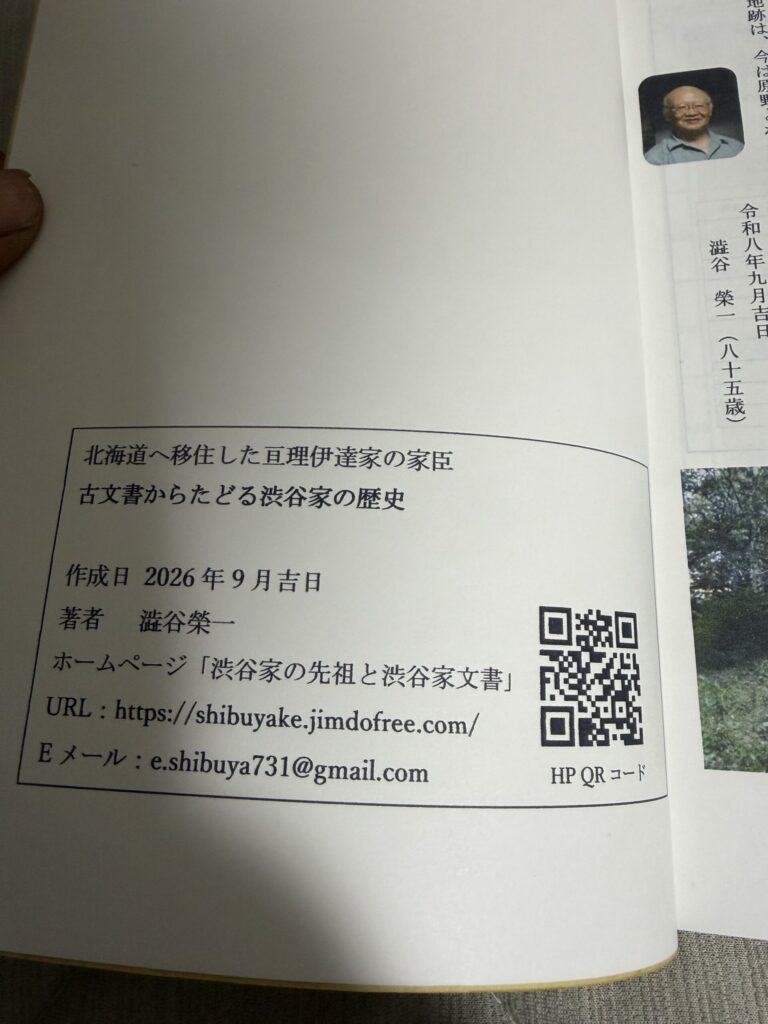
先日、その古文書の寄贈主である澁谷様から、一つの本が届きました。
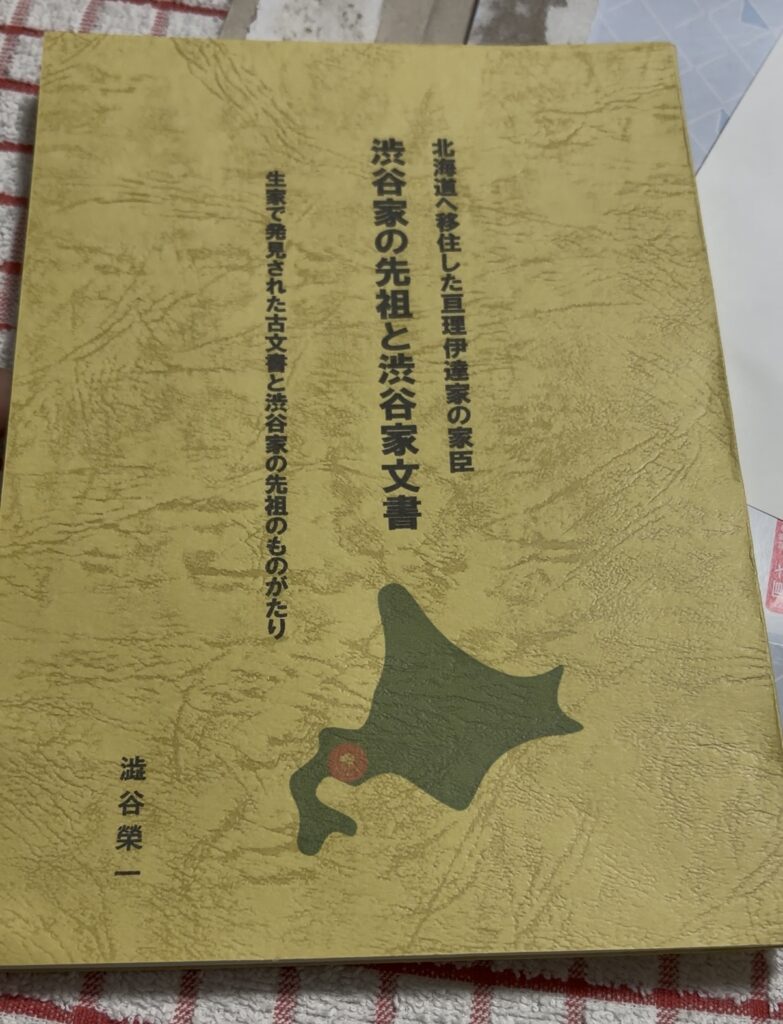
それは澁谷様自ら寄贈後、独自に調べ上げ、渋谷家の歴史が詰まった手作りの冊子だった。
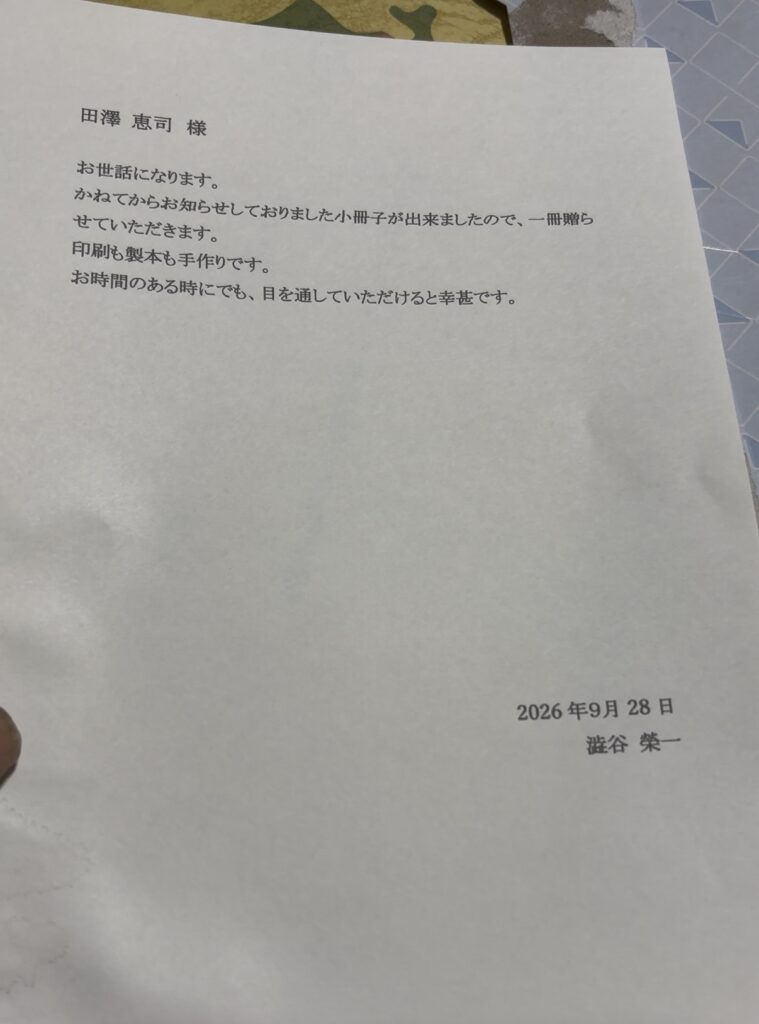
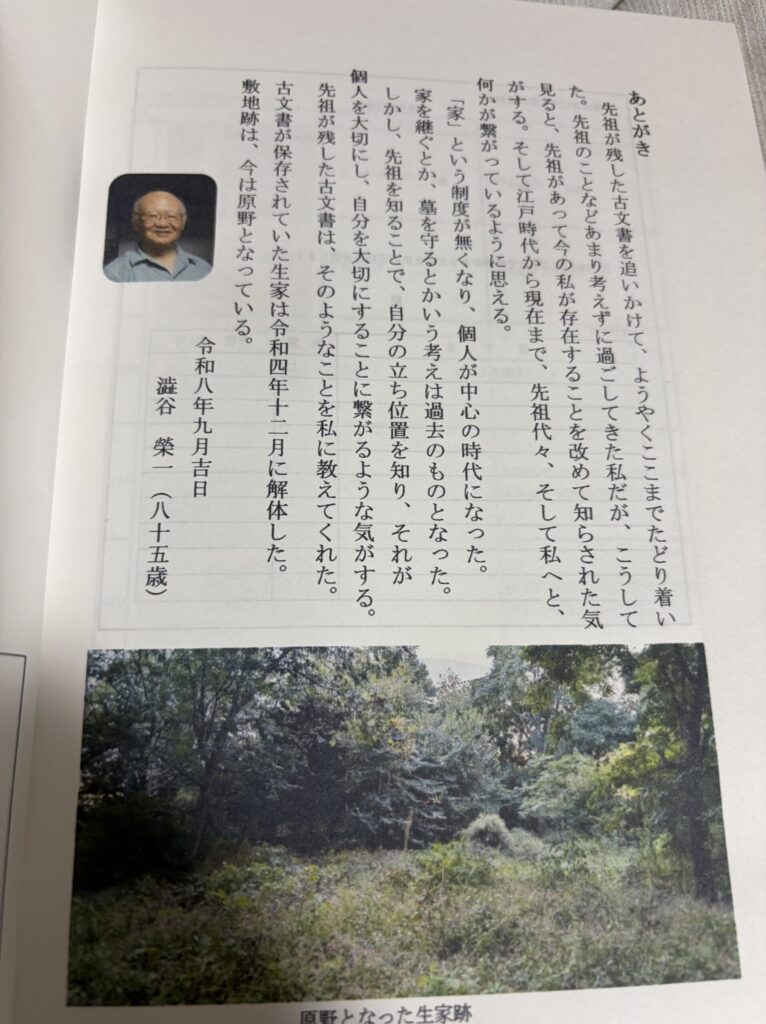
表紙を開くと、そこには渋谷家の歴史と、先祖に残された古文書についての記録が綴られていました。
そして、その中には私自身の名前も記されていました。
冊子の作成にあたり、澁谷様は次のように記してくださっています。
古文書等を廃棄から救ってくださった、
LRAのCEOで遺品整理士の田澤恵司氏、田澤氏から相談を受けて伊達市へ繋いでくださった小樽商科大学教授の高野宏康氏、
古文書の調査や目録の作成等にご尽力くださった伊達市学芸員の黒田格男氏に厚く御礼申し上げます。
皆さまのおかげで、先祖が残した古文書が末永く保存され、後世に伝えられることとなり、また私も先祖の歴史について深く思いを巡らせる機会を得ることが出来ました。
あらためて感謝申し上げる次第です。
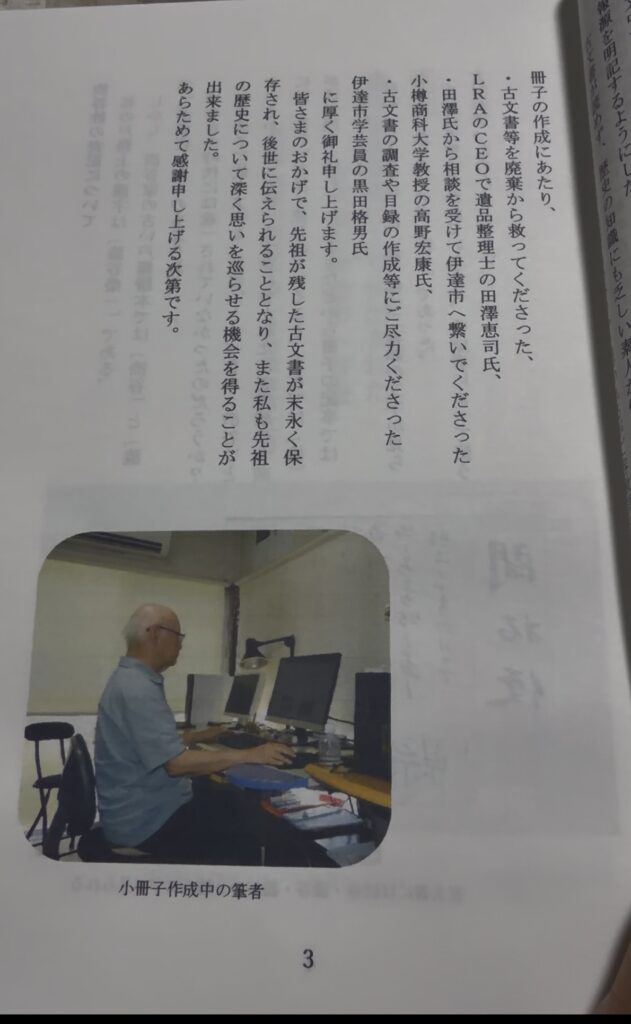
※冊子3ページ目、寄贈主澁谷榮一様がパソコンに向かっている写真。
胸がいっぱいになりました。
遺品整理人として、
これ以上、嬉しいことがあるだろうか。
目頭が熱くなった。
処分を依頼された家で
澁谷様の生家は、明治4年に亘理から移住した先祖が代々暮らしてきた家でした。
長い年月を経て空き家となり、建物を取り壊すことになったため、遺品整理を依頼されたそうです。
当初、澁谷様は必要な物を探索する為遺品整理を自らしており、目視できる範囲で必要な物を回収した為、
「古民家に残したものは全て不要」
として、廃棄を依頼されました。

2023年11月、私たちLRAがその家に入りました。
大量の荷物が残された、決して整理しやすい現場ではありませんでした。
その中で、一点一点を確認していくうちに、壁や物の中に紛れるように残されていた古い文書が目に入りました。
筆で書かれた文字が並ぶ古文書。
状態は風化し、渋谷様が価値がないと判断したほど、状態は悪かった。でも、価値があるかもしれないと立ち止まり、澁谷様に状況を説明し、廃棄を止めた。
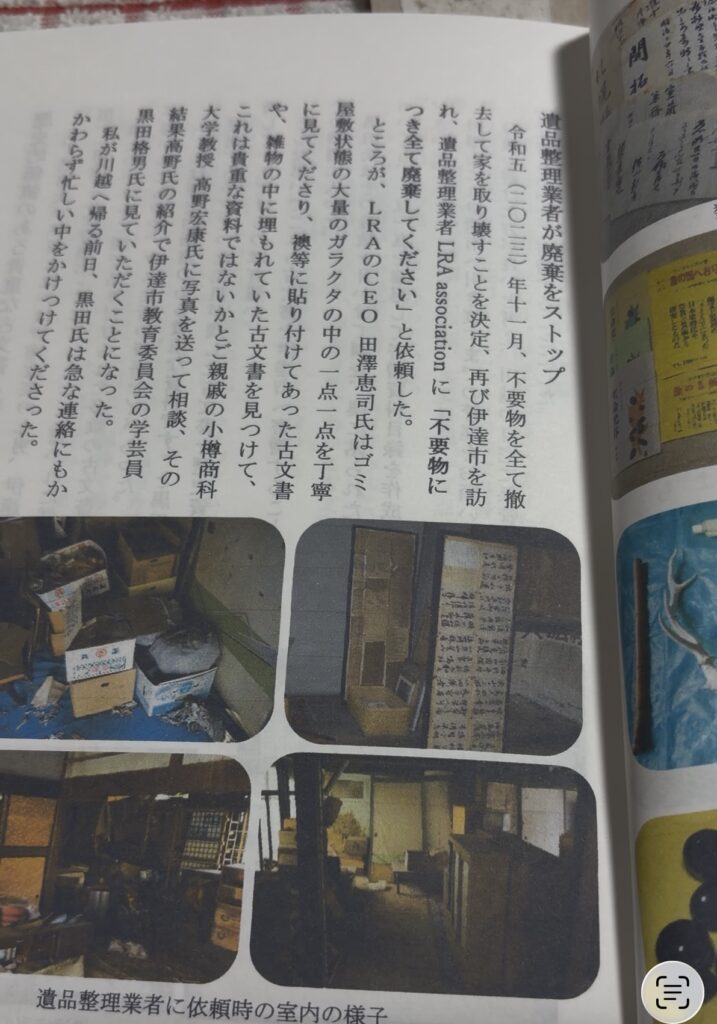
そして、資料について確認するため、小樽商科大学の高野宏康教授に相談しました。
その後、高野教授から伊達市へとつながり、伊達市教育委員会の学芸員である黒田格男氏にも現地で資料を確認していただくことになりました。
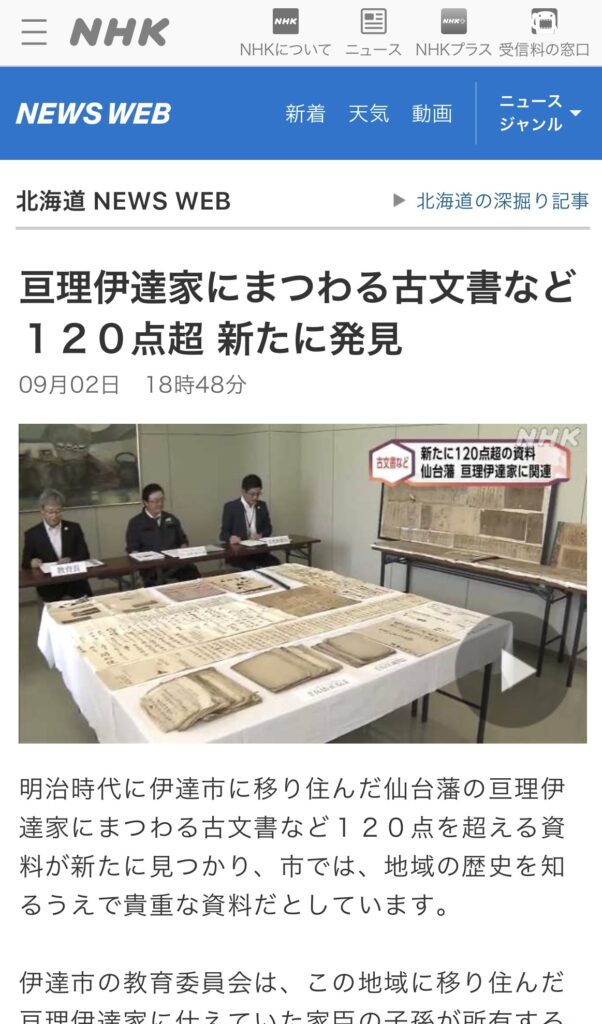
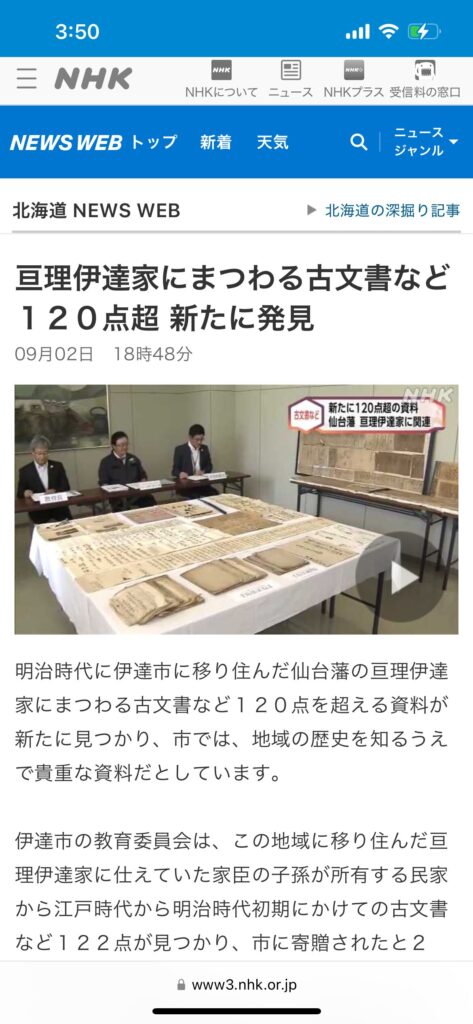
その結果、発見された資料の中から122点の古文書等が貴重な資料として整理され、令和6年8月、伊達市への寄贈が完了したのです。
これらの資料は「渋谷家文書」と名付けられました。
そして、3年後
今回届いた冊子の目次を開いてみると、
第一章 遺品業者により救出された古文書を伊達市へ寄贈
から始まっています。
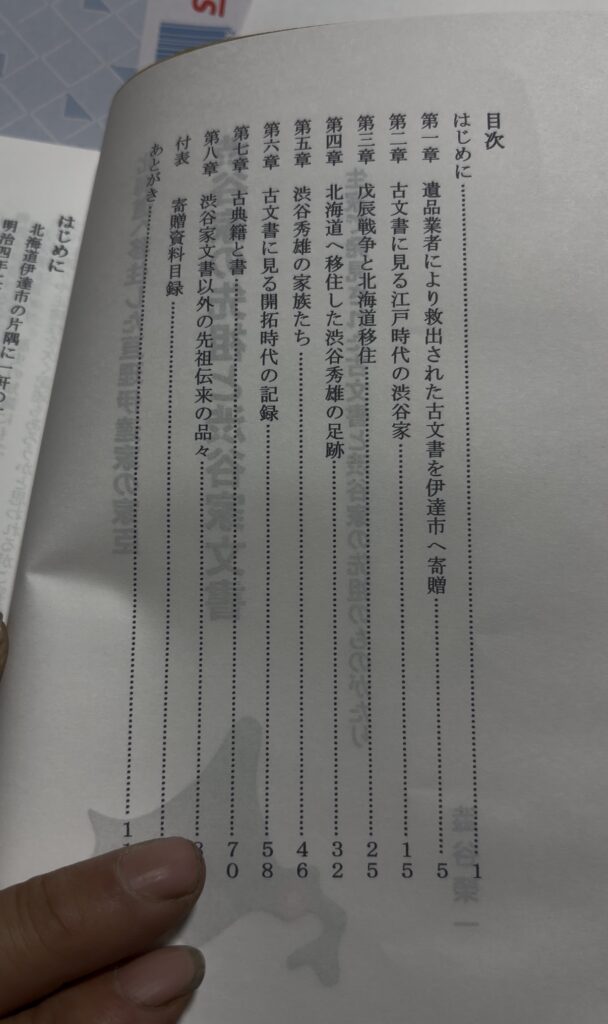
続いて、
第二章 古文書に見る江戸時代の渋谷家
第三章 戊辰戦争と北海道移住
第四章 北海道へ移住した渋谷秀雄の足跡
第五章 渋谷秀雄の家族たち
第六章 古文書に見る開拓時代の記録
と続きます。
渋谷家の先祖がどのような歴史を歩んできたのか。
亘伊達家の家臣として、北海道へ移住した経緯。家族のこと。開拓時代の記録。そして活動が不明確だったウス会所の資料、アイヌ民族との交流。
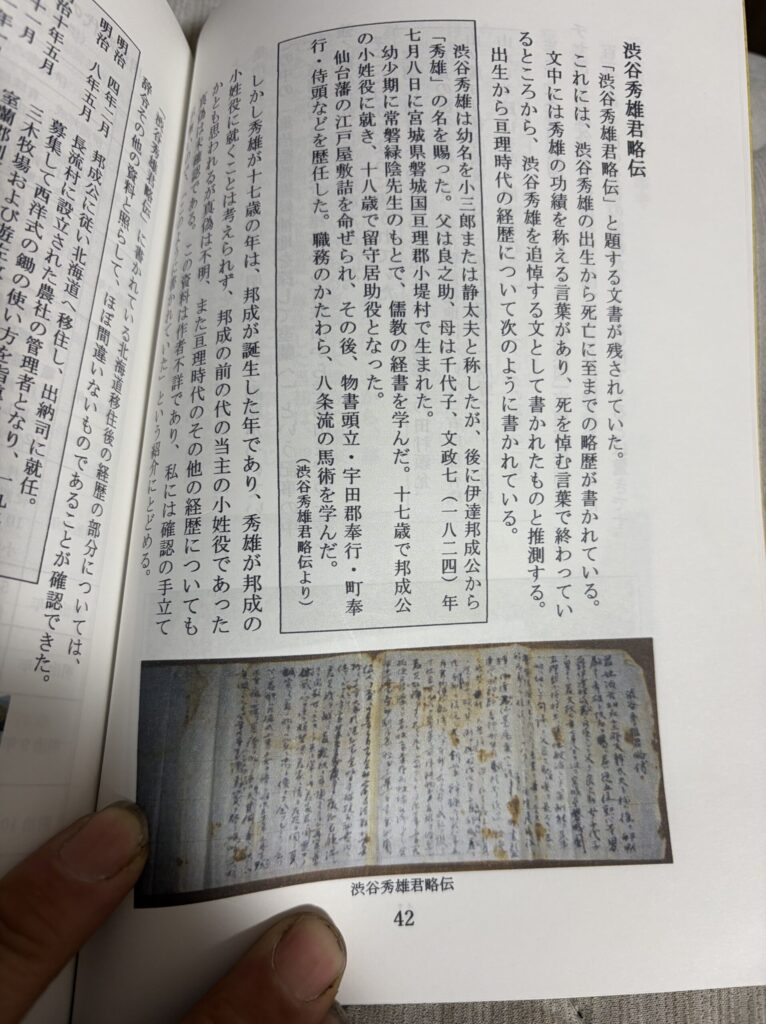
※渋谷秀雄君略伝。押入れの奥に、数枚の古文書と共に出てきたのを覚えている。
※当事この古文書を発見した時、私は全く読めず、そして知識も全くなかった。今考えると、廃棄か、保全かの分岐点にいたのだと痛感する。
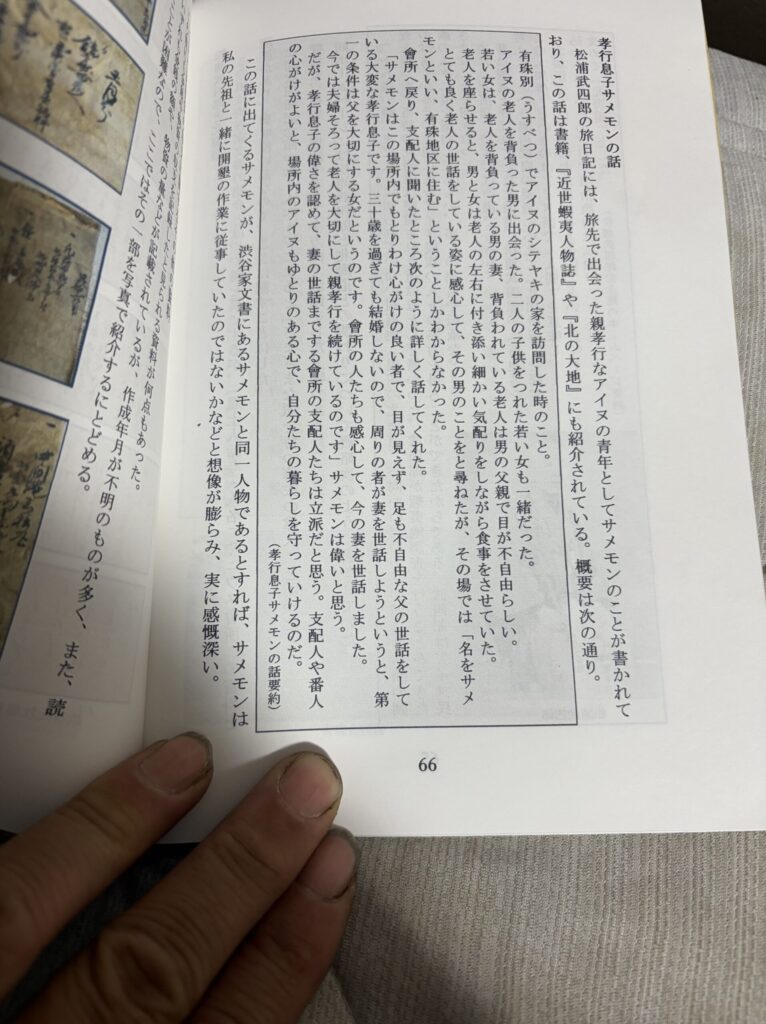
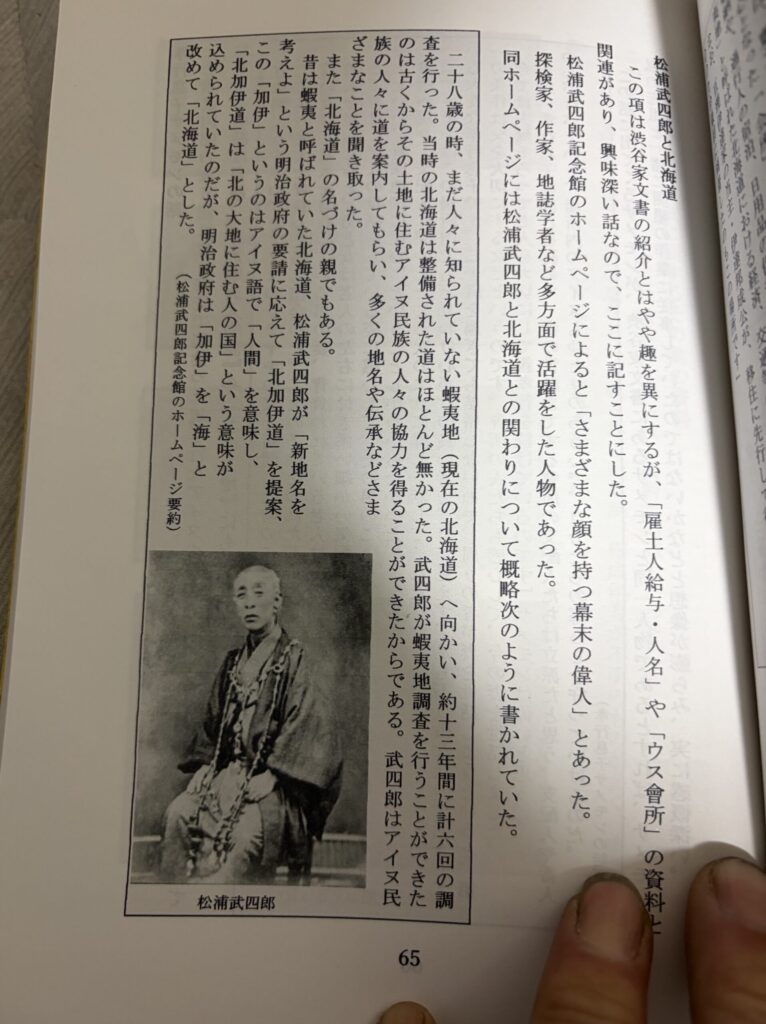
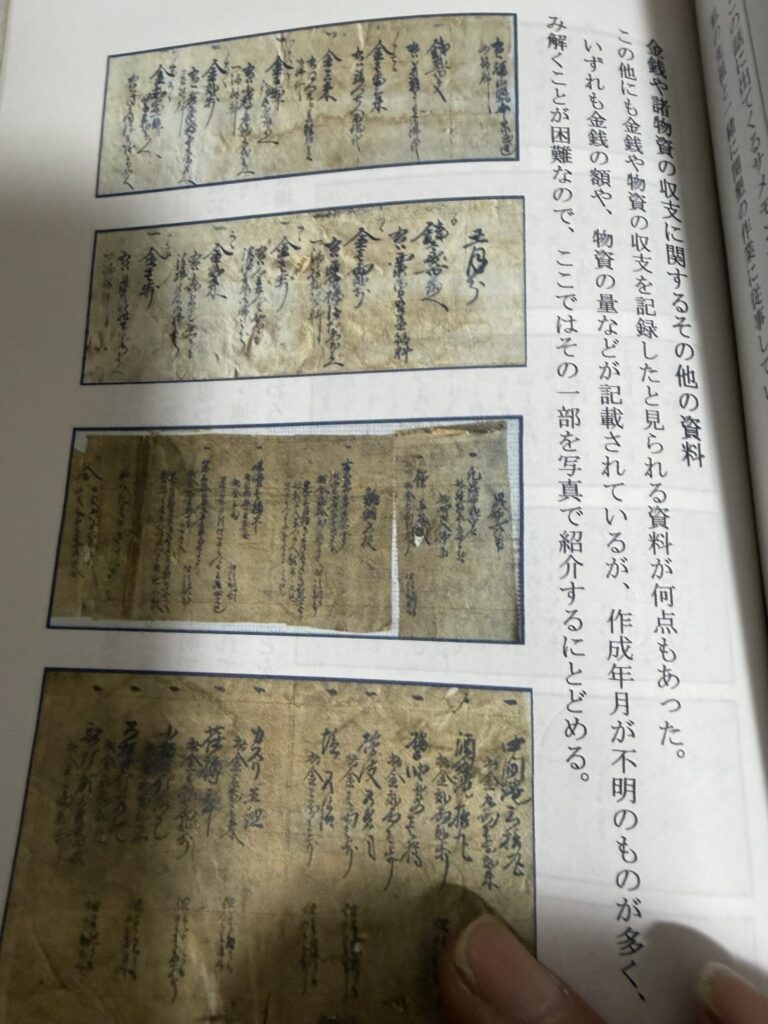
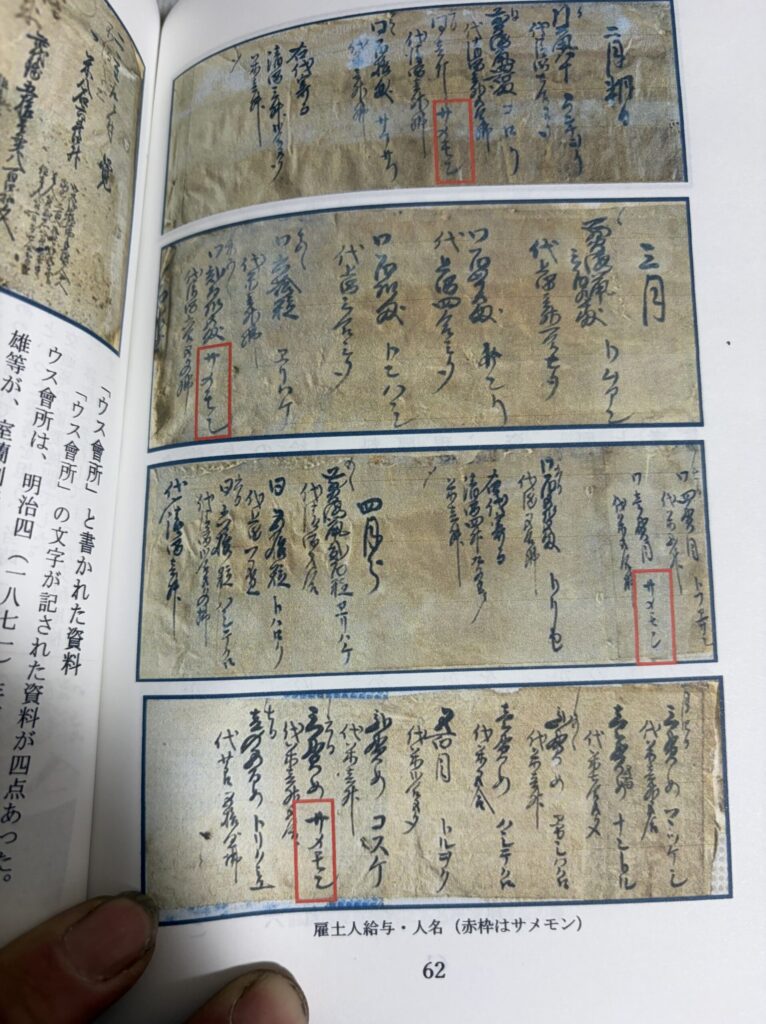
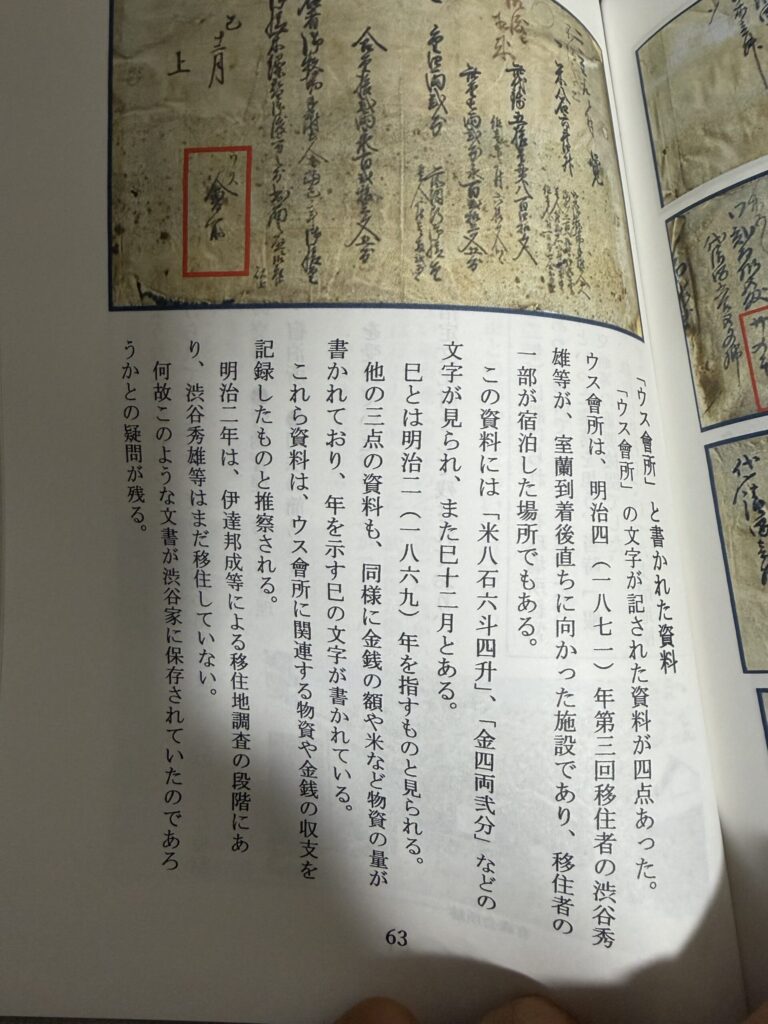
※この資料の特質すべきは、松浦武四郎の著書に出てくる、孝行息子のアイヌの青年、サメモンの名が記述されている事。松浦武四郎の著書を裏付けする資料の性質があるとみています。
また、ウス会所とは、松前藩や江戸幕府の役所・交易拠点のことで、当時の行政に土人「土着の者、その土地に住む者」と定義されている事から、国際的には先住民の定義に当てはまるものと思っています。江戸時代の松前藩や幕府の記録において、アイヌ民族は「土人(どじん / つちひと)」や「蝦夷(えぞ)」などと表現されていたため、この「土人」という言葉は、文字通り「その土地に古くから住み着いている人」「土着の民」という意味の administrative term(行政上の呼称)として使われていた歴史があります。
この歴史的背景と現代の国際基準との関係について、以下の視点から捉えることができる。
国連の「先住民族の権利に関する宣言」や国際労働機関(ILO)第169号条約などにおける「先住民(Indigenous Peoples)」の一般的な基準には、以下のような要素が含まれています。
- 歴史的連続性:近代国家の国境が画定される前、あるいは他者による植民地化や定住が行われる前から、その土地に居住していたこと。
- 独自の文化・社会的紐帯:支配的な社会とは異なる、独自の言語、社会組織、法的慣習、文化的特徴を維持していること。
- 自己認同(Self-identification):自らを先住の民族であると意識し、認めていること。
松前藩や江戸幕府が「古くからその土地に生きる人々」として行政的に区別・認識していた事実は、まさに「近代の国家や開拓の手が及ぶ前から、独自の文化や社会を持ってその土地に暮らしていた人々」という歴史的連続性を裏付けるものと言えます。そのため、現代の国際的な定義に照らし合わせても、彼らが先住民であるという解釈は非常に自然であり、学術的・国際的にも広く共有されている見解です。
タンダンヤ・アデレード宣言にある通り、
宣言では、世界中のアーカイブ機関が直ちに実行すべき行動として以下の5つを掲げています。
- 知識の権威(Knowledge Authorities)
国家の公的機関が持つ知識だけでなく、先住民が代々受け継いできた歴史、記憶、文化、伝統に対する理解や知識体系を尊重し、互いに対等な敬意をもって統合すること。 - 財産と所有権(Property and Ownership)
先住民の伝統的な知識や文化表現、知的財産について、国家の管理下にあっても先住民側の所有権を認めること。 - 認識とアイデンティティ(Recognition and Identity)
過去の強制同化や文化的抹消の歴史を認識した上で、記録の分類や説明文において、先住民独自の血縁、アイデンティティ、文化が正しく反映される権利を保障すること。 - 調査とアクセス(Research and Access)
歴史記録へのアクセスや調査のプロセス自体が、西洋的な思考と先住民の思考の衝突の場になり得ることを自覚し、先住民が自身のルーツに関わる記録へアクセスしやすい環境を整えること(手数料の免除やデジタル化など)。 - 自己決定権(Self-Determination)
国連先住民族の権利宣言(UNDRIP)に基づき、先住民自身が自分たちの政治的地位や経済・社会・文化的発展を自由に決定する権利を、記録管理の場でも支持すること。
それが、遺品整理にて発見した社会的意義であると思い、
この記録へのアクセスを、制限などせず自由にするべき事だと私は思います。
私は学者や専門家ではないですが、この資料が真実を照らしている気がしてなりません。
一冊の冊子の中に、渋谷家の歴史と、アイヌ民族の歴史が丁寧にまとめられていました。
「あの古文書を救出して下さったことで」
冊子が届く前、澁谷様からLINEでこのような言葉をいただきました。
田澤様があの古文書を救出して下さったことで、私は先祖のことに想いをいたす機会をいただきました。
そして、
もし、古文書の救出劇が無かったら、先祖のことを調べたり、ましてや小冊子にするなどということは無かったと思います。
と。
この言葉を読んだとき、私はとても感動しました。
私がしたことは、遺品整理の現場で古文書を見つけ、廃棄を止め、専門家へ相談したことから始まりました。
そして何より、その資料をきっかけにご自身の先祖の歴史と向き合い、調べ、そして一冊の記録として残してくださった澁谷様。
一つの古文書を救ったことから、人と人とのご縁がつながり、さらに新しい記録が生まれました。
遺品整理人としてこれ以上の喜びはないです。
救出した資料から、また新しい記録が生まれる
遺品整理の現場では、長い年月を経た書類や写真、古い本などが、他の不要品と一緒に置かれていることがあります。
それらが何なのか分からないまま、家の解体や廃棄とともに失われてしまうこともあります。
今回の渋谷家文書も、もしあのとき廃棄されていたら、現在の形で残ることはありませんでした。
そして、今回届いたこの冊子も、おそらく生まれていなかったのだと思います。
古文書が残った。
そのことによって、澁谷様が先祖について調べる機会が生まれた。
そして、その調査が一冊の記録になった。
私は今回、その一冊を澁谷様から贈っていただきました。
救出した資料から生まれた新しい記録が、今度は私のもとへ届いた。
それが、本当に嬉しかったのです。
遺品整理という仕事をしていて良かった
私は遺品整理士です。
この仕事をしていなければ、あの家に入ることも、渋谷家文書に出会うこともありませんでした。
もちろん、当時はその古文書がどこまでの歴史を持つものなのか、すべてを知っていたわけではありません。私は、崩字も読めない、知識のない素人でした。
価値があればお客様の為に売り、必要がなければそのまま廃棄する、どこにでもいる遺品整理業者でした。
ただ、ご依頼者様の目に止まらなかった価値のあるものがあるかも知れない。だから私は誠実に仕分けしただけなんです。そして一歩踏み込んだ。目の前にあるものを、そのまま廃棄してしまうことに疑問を持った。そして何より、依頼者である澁谷様が廃棄をストップする事をリスクを承知(作業工程が遅れる可能性)で了承してくださった。
それが始まりなんです。
そこから相談し、調査が始まり、専門家や公的機関へとつながっていきました。
私は、遺品整理の可能性を感じています。そして、私が継続し救い出せている資料群が示す通り、遺品整理業界の社会的意義をアップデートする布石になり得ると確信を持っています。
そして今、その資料をきっかけとして、子孫の方ご自身が先祖の歴史を一冊にまとめてくださいました。
今回いただいた冊子を手にして、
「遺品整理という仕事をしていて、本当に良かった」
と、心から思いました。
澁谷様。
このたびは、素晴らしい冊子をお贈りいただき、本当にありがとうございました。
そして、渋谷家に残されていた大切な記録を、私たちに託してくださったことにも、改めて感謝申し上げます。
この冊子もまた、渋谷家の歴史を伝える新たな記録として、大切に残していきたいと思います。
あの日、廃棄寸前だった古文書。
それが今、こうして一冊の物語となって、私の手元にあります。
私は忘れない。あのターニングポイントとなった松ヶ枝町の古民家を。
渋谷家の御先祖様、そして無私の心で発展の為に寄贈を望まれた澁谷榮一様に感謝と尊敬の意を。
そして、いつか語りたいと思っている。故・冨田さんの事を。
私を導いてくれたのは間違いなく、あの場所で僕に無私の誠実さを見せた傑物、渋谷様と、故・冨田さんだと思うから。
全てに感謝し、この宝物の様な冊子を、僕は一生大事にするだろう。
Is There Anything More Joyful Than This? — A Record Born from the Historical Documents We Saved
November 2023.
During an estate-clearing project in Date City, Hokkaido, I discovered historical documents that were about to be discarded.
Nearly three years later, a booklet arrived from Mr. Eiichi Shibuya, the donor of the historical documents.
It was a handmade booklet that Mr. Shibuya himself researched and compiled after donating the documents, bringing together the history of the Shibuya family.
When I opened the cover, I found a record of the history of the Shibuya family, along with an account of the old documents that had been passed down from their ancestors.
And there, among the pages, was my own name.
In preparing the booklet, Mr. Shibuya wrote the following:
I would like to express my deepest gratitude to Mr. Keiji Tazawa, CEO of LRA and a certified Japanese estate organizer who saved the old documents and other materials from being discarded;
Professor Hiroyasu Takano of Otaru University of Commerce, who, after being consulted by Mr. Tazawa, connected us with Date City;
and Mr. Itaku Kuroda, a curator at Date City, who devoted considerable effort to researching the old documents and preparing their inventory.
Thanks to all of you, the old documents left by my ancestors will be preserved for generations to come and passed on to future generations. I was also given the opportunity to reflect deeply on the history of my ancestors.
I would like to express my sincere gratitude once again.
Photo on page 3 of the booklet: Mr. Eiichi Shibuya, the donor, working at his computer.
I was overwhelmed with emotion.
As an estate organizer,
could there be anything more rewarding than this?
I could feel tears welling up in my eyes.
Table of Contents
- At the House Where I Was Asked to Dispose of Everything
- And Then, Three Years Later
- “Because You Saved Those Old Documents”
- A New Record Emerges from the Materials We Saved
- I Am Grateful to Have Chosen This Work
At the House Where I Was Asked to Dispose of Everything
Mr. Shibuya’s childhood home was a house where his ancestors, who had moved from Watari in 1871, had lived for generations.
After many years, the house had become vacant, and because it was scheduled to be demolished, I was asked to carry out the estate clearing.
At first, Mr. Shibuya had searched through the belongings himself to find the items he needed. Having recovered everything he could identify by sight as necessary, he asked us to dispose of everything else, saying:
“Everything left in the old house is no longer needed.”
In November 2023, our team at LRA entered the house.
It was far from an easy site to organize, with a large amount of belongings left behind.
As we carefully examined the contents one by one, I noticed old documents that had been left behind, almost hidden among the walls and other belongings.
They were old manuscripts covered in handwritten characters written with a brush.
The documents had deteriorated considerably over time, and their condition was so poor that Mr. Shibuya had believed they were of no value.
But I stopped and considered that they might have historical value. I explained the situation to Mr. Shibuya and asked that the documents not be discarded.
To have the materials examined, I consulted Professor Hiroyasu Takano of Otaru University of Commerce.
Professor Takano subsequently connected us with Date City, and Mr. Itaku Kuroda, a curator with the Date City Board of Education, was able to examine the materials at the site as well.
As a result, 122 items, including old documents, were identified and organized as valuable historical materials. In August 2024, the donation of these materials to Date City was completed.
These materials were subsequently given the name “The Shibuya Family Documents.”
And Then, Three Years Later
When I opened the table of contents of the booklet that had arrived, I found that it begins with:
Chapter 1: The Donation to Date City of the Old Documents Saved by an Estate-Clearing Company
This is followed by:
Chapter 2: The Shibuya Family in the Edo Period as Seen Through the Old Documents
Chapter 3: The Boshin War and the Migration to Hokkaido
Chapter 4: The Footsteps of Hideo Shibuya, Who Migrated to Hokkaido
Chapter 5: The Family of Hideo Shibuya
Chapter 6: Records of the Pioneer Era as Seen Through the Old Documents
The chapters trace the history of the Shibuya family’s ancestors and the path they followed through history.
They describe how the family, as retainers of the Watari-Date family, came to migrate to Hokkaido; their family history; records from the pioneering era; documents from the Usu Kaisho, whose activities had previously been unclear; and their interactions with the Ainu people.
Brief biography of Hideo Shibuya. I remember finding it deep inside a closet, together with several old documents.
At the time, when I discovered these old documents, I could not read them at all, nor did I have any knowledge about them. Looking back now, I realize just how much I was standing at a crossroads between disposal and preservation.
What I believe is particularly significant about these materials is that they contain the name of Samemon, an Ainu young man described by Takeshiro Matsuura in his writings as a filial son. In this sense, I believe these documents have the potential to serve as historical evidence that helps corroborate accounts found in Matsuura’s works.
I also understand the Usu Kaisho to have been an administrative office and trading center operated under the Matsumae Domain and the Edo shogunate. In historical records of the Matsumae Domain and the Edo shogunate, the Ainu people were referred to using terms such as “dojin” (土人) and “Ezo” (蝦夷). The term “dojin” was used historically as an administrative designation for people regarded as native or indigenous to a particular area.
From the perspective of the historical relationship between these records and modern international understandings of Indigenous Peoples, several points can be considered.
General discussions of the concept of “Indigenous Peoples,” including those reflected in the United Nations Declaration on the Rights of Indigenous Peoples (UNDRIP) and International Labour Organization Convention No. 169, include elements such as the following:
- Historical continuity: Having inhabited a particular territory before the establishment of modern state borders, or before colonization or settlement by others.
- Distinctive cultural and social bonds: Maintaining languages, social organizations, customary practices, cultural traditions, or other characteristics distinct from those of the dominant society.
- Self-identification: Identifying oneself, individually or collectively, as belonging to an Indigenous people.
The fact that the Matsumae Domain and the Edo shogunate historically distinguished and recognized the people living in Hokkaido as people native to the land can be understood as part of the historical record concerning the long-standing presence of the Ainu and their distinct society and culture.
From this perspective, the historical records of the Matsumae Domain and the Edo shogunate may be considered relevant when examining the historical continuity of the Ainu people. The question of how such historical records relate to modern international concepts of Indigenous Peoples, however, is ultimately a matter for historians, Indigenous communities, and other relevant experts to examine.
The Tandanya–Adelaide Declaration also calls for archives around the world to take action in five key areas:
- Knowledge Authorities
Archives should respect not only knowledge held by state institutions, but also the histories, memories, cultures, traditions, and knowledge systems passed down by Indigenous peoples, bringing these forms of knowledge together with equal respect. - Property and Ownership
The rights and ownership of Indigenous peoples concerning traditional knowledge, cultural expressions, and intellectual property should be recognized, even when such materials are held under the management of state institutions. - Recognition and Identity
Archives should recognize histories of forced assimilation and cultural erasure and ensure that Indigenous peoples’ identities, cultural affiliations, and relationships are appropriately reflected in the description and classification of records. - Research and Access
Archives should recognize that access to and research of historical records can become a point of tension between Western and Indigenous ways of understanding knowledge. They should therefore work to make it easier for Indigenous peoples to access records relating to their own histories and roots, including through measures such as fee waivers and digitization. - Self-Determination
In accordance with the United Nations Declaration on the Rights of Indigenous Peoples (UNDRIP), archives should support the right of Indigenous peoples to determine their own political status and to pursue their economic, social, and cultural development, including within the context of archival practice.
These are the aspects of social significance that I came to recognize through the discovery of these materials during an estate-clearing project.
For this reason, I believe access to these records should, as far as possible, remain open and unrestricted.
I am neither a scholar nor an expert. Nevertheless, I cannot shake the feeling that these materials may shed light on aspects of the historical record that have remained unclear.
Within a single handmade booklet, the history of the Shibuya family and the history of the Ainu people had been carefully brought together and documented.
“Because You Saved Those Old Documents”
Before the booklet arrived, Mr. Shibuya sent me these words through LINE:
“Because you saved those old documents, Mr. Tazawa, you gave me the opportunity to reflect on my ancestors.”
He also wrote:
“If the old documents had not been saved, I don’t think I would ever have researched my ancestors, let alone created a booklet about them.”
When I read these words, I was deeply moved.
What I did began simply with finding the old documents at an estate-clearing site, stopping their disposal, and consulting specialists.
But more than anything, I am grateful to Mr. Shibuya himself. He used those materials as an opportunity to confront the history of his own ancestors, investigate it, and preserve what he discovered in the form of a book.
From saving a single set of old documents, connections between people were created, and those connections led to the birth of a new historical record.
As an estate organizer, I can think of no greater joy.
A New Record Emerges from the Materials We Saved
At estate-clearing sites, documents, photographs, and old books that have survived for many decades can sometimes be found mixed together with other belongings destined for disposal.
Sometimes, they are lost along with the demolition of a house or the disposal of its contents, before anyone has had the opportunity to understand what they are.
The Shibuya Family Documents would also not exist in their present form if they had been discarded that day.
And I believe the booklet that arrived this time would probably never have been created either.
The old documents survived.
Because they survived, Mr. Shibuya had the opportunity to investigate the history of his ancestors.
That research then became a book.
And now, Mr. Shibuya has given that book to me.
A new record born from the materials we saved has now found its way back to me.
That is what made me truly happy.
I Am Grateful to Have Chosen This Work
I am an estate organizer.
If I had not chosen this profession, I would never have entered that house, and I would never have encountered the Shibuya Family Documents.
Of course, at the time, I did not know the full extent of the history contained within those old documents. I was simply an ordinary person with no specialist knowledge, unable even to decipher the cursive writing.
I was an estate-clearing professional like many others: if something had value, I would sell it for the client; if it was no longer needed, it would be disposed of.
But I thought there might be something of value that had escaped the client’s attention.
So I simply sorted through the belongings carefully and sincerely.
And then I took one step further.
I began to question whether the things in front of me should simply be discarded without further thought.
Above all, Mr. Shibuya, the client, agreed to stop the disposal, fully aware of the risk that doing so could delay the work process.
That was where it all began.
From there, I sought advice. Research began, and the materials became connected to specialists and public institutions.
I have come to see the possibilities within the work of estate clearing.
And based on the groups of historical materials I have continued to rescue, I am convinced that this work can become a starting point for rethinking and expanding the social significance of the estate-clearing profession.
And now, these materials have once again led to something new: one of their descendants has personally researched the history of their ancestors and compiled it into a single volume.
Holding the booklet I received this time, I found myself thinking from the bottom of my heart:
“I am truly glad that I chose to do this work.”
Mr. Shibuya,
Thank you so much for sending me this wonderful booklet.
I would also like to express my deepest gratitude once again for entrusting us with the precious records that had remained in the Shibuya family home.
I will treasure this booklet as well, preserving it as a new record that carries the history of the Shibuya family forward to future generations.
The old documents that stood on the brink of being discarded that day.
They have now become a story in their own right, and that story has found its way into my hands.
I will never forget that old house in Matsugae-cho, where everything changed.
I offer my gratitude and respect to the ancestors of the Shibuya family, and to Mr. Eiichi Shibuya, who selflessly chose to donate these materials for the benefit of future generations.
And there is someone else whose story I hope to tell someday: the late Mr. Tomita.
I believe, without a doubt, that the people who guided me were Mr. Shibuya and the late Mr. Tomita—two remarkable people who showed me, in their own ways, what selfless sincerity truly means.
I am grateful for everything.
And I believe I will cherish this precious, almost treasure-like booklet for the rest of my life.