

※依頼者の許可を得て掲載しています。
遺品整理の現場では、家族にとっては長い間そこにあったものが、整理の瞬間に一度に失われてしまうことがあります。
今回、私が整理に携わった酒井家の資料の中には、長い年月を経て残されてきた写真や文書が数多くありました。
その中で、既にお亡くなりになっている生前整理の当事者の兄が残した開拓から昭和にかけての詳細な記録をみつけました。見た瞬間、希少で、しかも当時の写真と共に説明文が載っている事に驚愕しました。
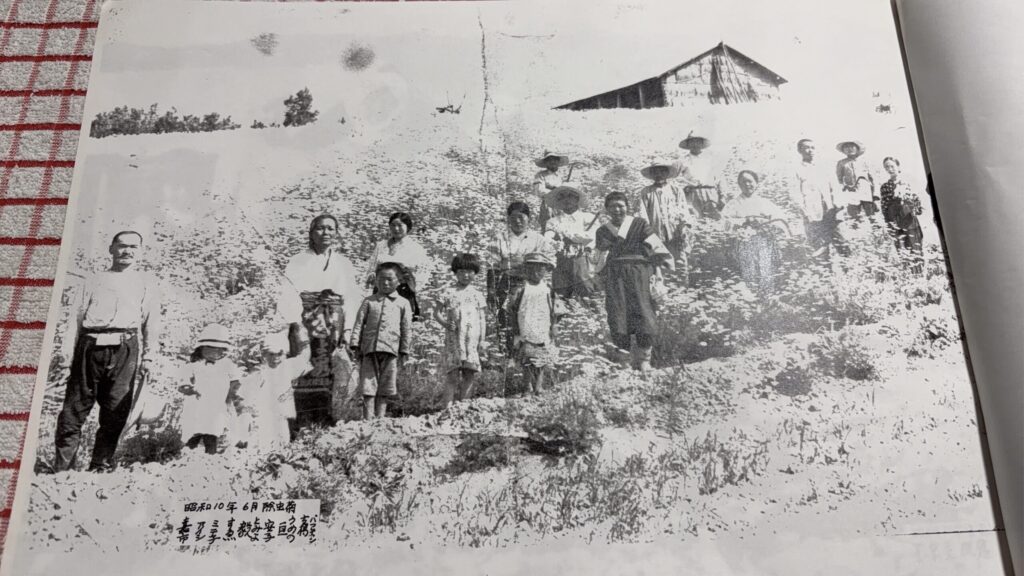
調べていくと、それらは単なる家族の思い出ではなく、北海道・滝上町の歴史を知るうえで、さまざまな手掛かりを含んでいることが分かってきました。
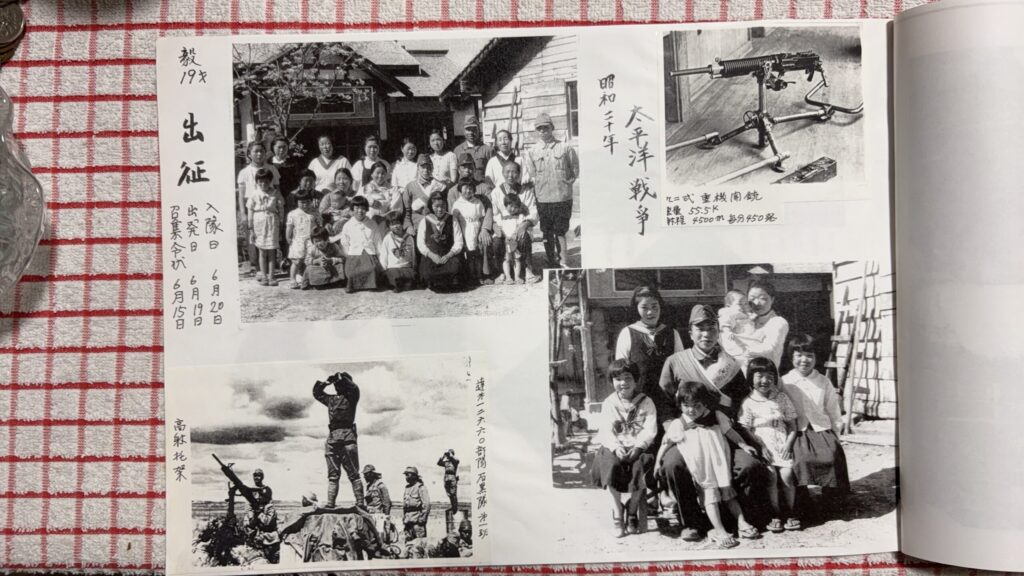
サクル原野へ入植した酒井家
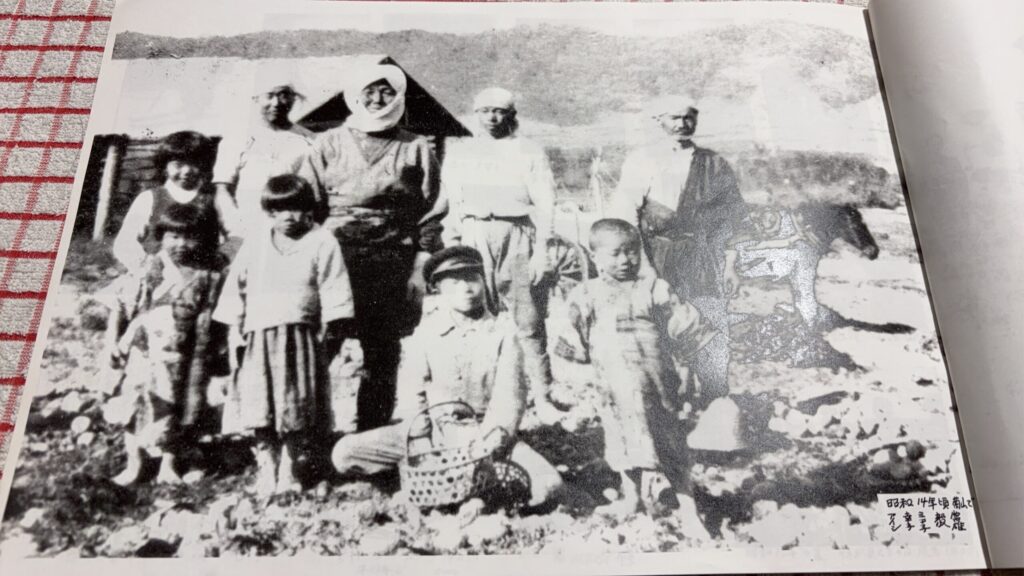
酒井家の資料を調べる中で、特に目に留まったのが、サクル原野に入植した酒井きいちさんに関する記録です。
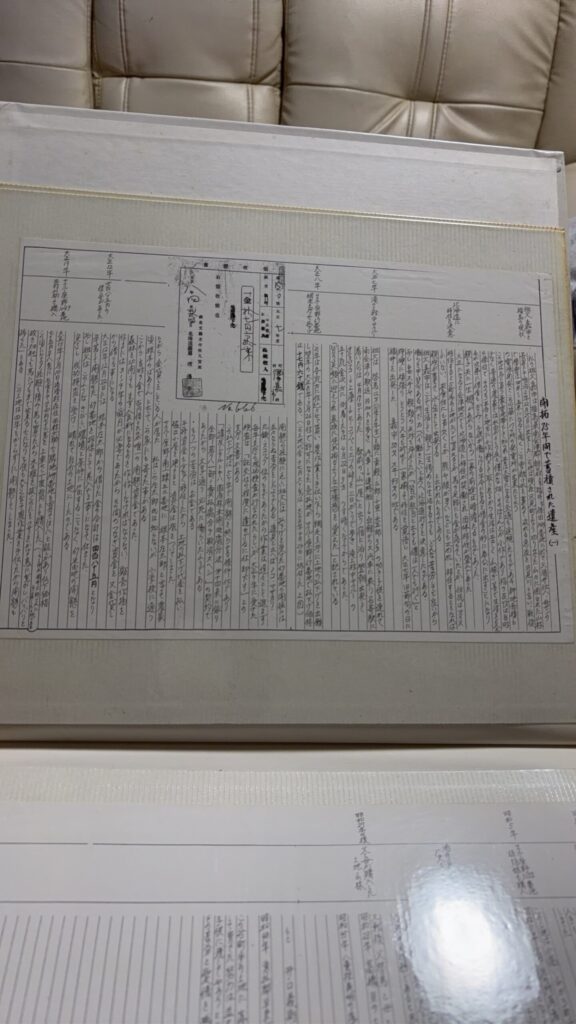
酒井きいちさんは、実際にサクル原野へ入植した人物として記録されており、今回の資料には、その入植地について具体的な番地まで残されていました。
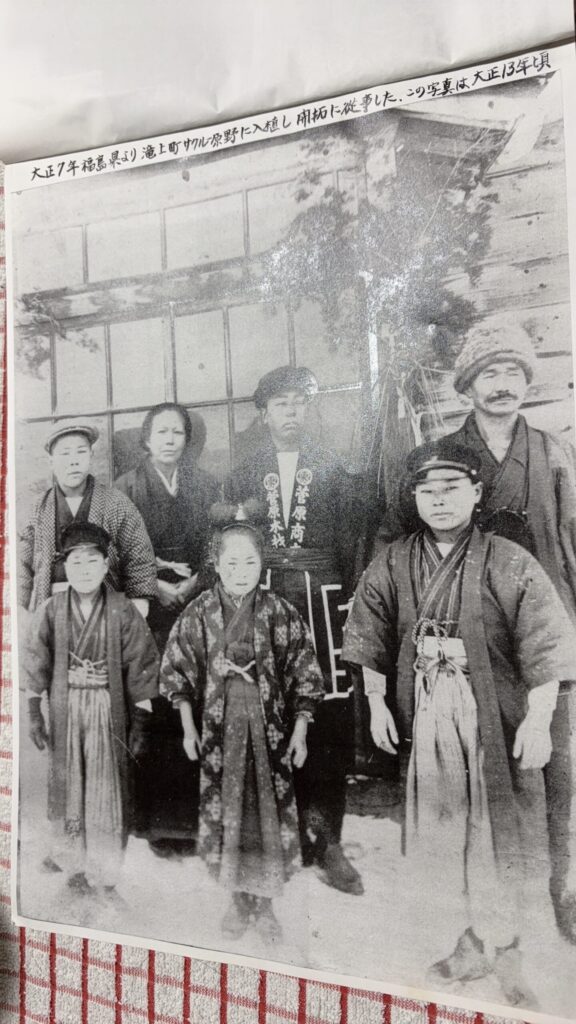
さらに、酒井きいちさん本人の写真も複数残されています。
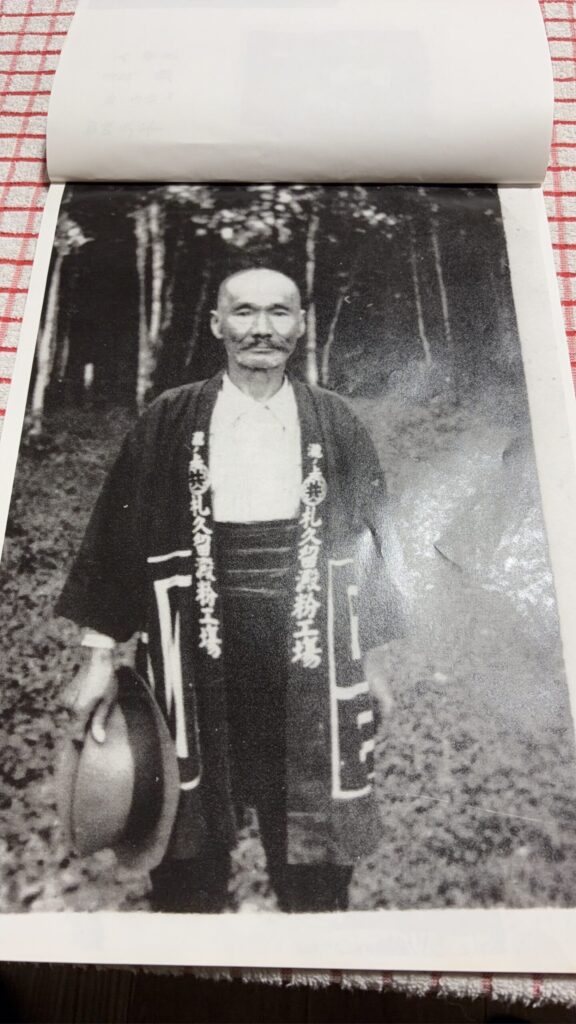
開拓の歴史を文字で知ることはできます。
しかし、そこに暮らした人物の顔が写真として残され、さらにその人物がどこに入植したのかという土地の情報までつながってくると、その歴史は一気に具体性を持ってきます。
「誰が、どこで、どのように暮らしていたのか」。
今回の資料は、その問いを考えるための手掛かりになります。
写真の中に残る、滝上の暮らし
資料の中には、酒井家の家族写真だけではなく、滝上での生活を伝える写真も残されています。
その中には、戦後の滝上における食糧配給に関係すると思われる写真もあり、写真には「食糧配給公団」「北海道」「滝上支所」と読める記載が残されています。
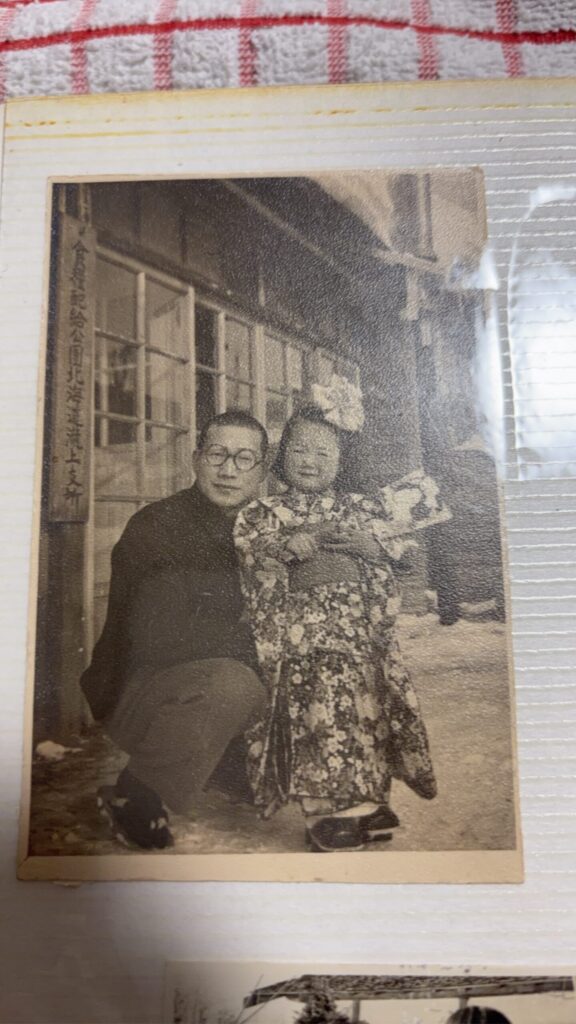
食糧配給公団が存在した時期は限られており、こうした写真が撮影された時代を考えるうえでも重要な手掛かりになります。
現在、滝上町には昭和期の写真や地域資料が残されています。
今回の写真についても、既存の地域資料と照合しながら、撮影場所や年代、写っている人物などを少しずつ確認していきたいと思っています。
生前整理の当事者が残した記録
そして、この資料群にはもう一つ大きな意味があります。
生前整理の当事者は現在94歳。
今回残されていた資料の中には、ご本人の人生に関係するものもあります。
例えば、滝上の裁断科を卒業したことを示す卒業証書。
さらに、裁断科で先生と一緒に実習をしている写真も残されています。
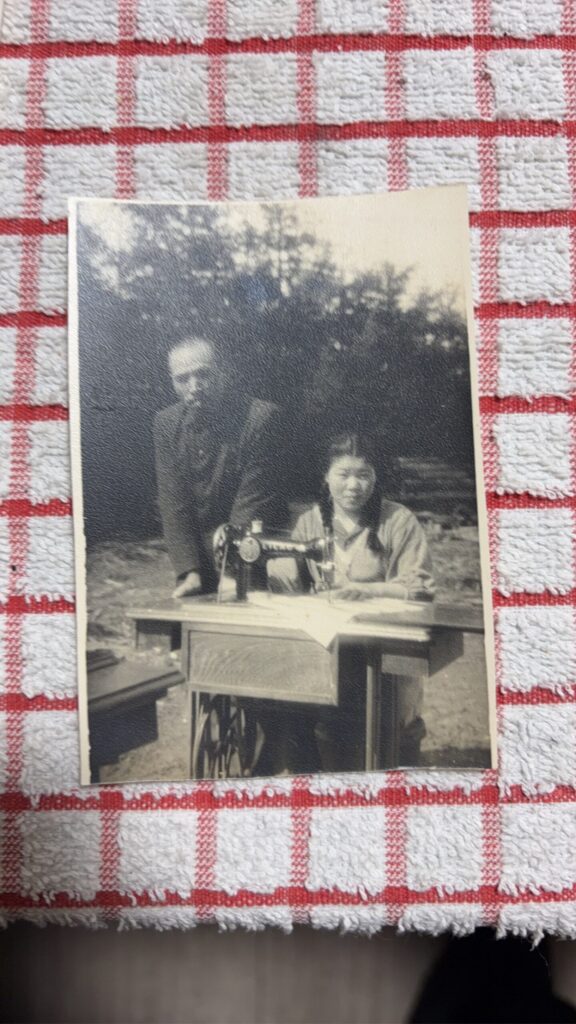
写真だけを見れば、一枚の古い写真です。
しかし、本人が現在も当時のことを語ることができる。
そう考えると、この写真は単なる「昔の写真」ではなく、滝上で学び、技術を身につけていった一人の女性の生活史を伝える資料になります。
水引の記録
さらに、酒井家には水引に関する資料も残されています。
水引の台帳。
そして、水引そのものを写した写真。
これらもまた、当時の生活や仕事、地域で行われていた営みを知るための手掛かりになる可能性があります。
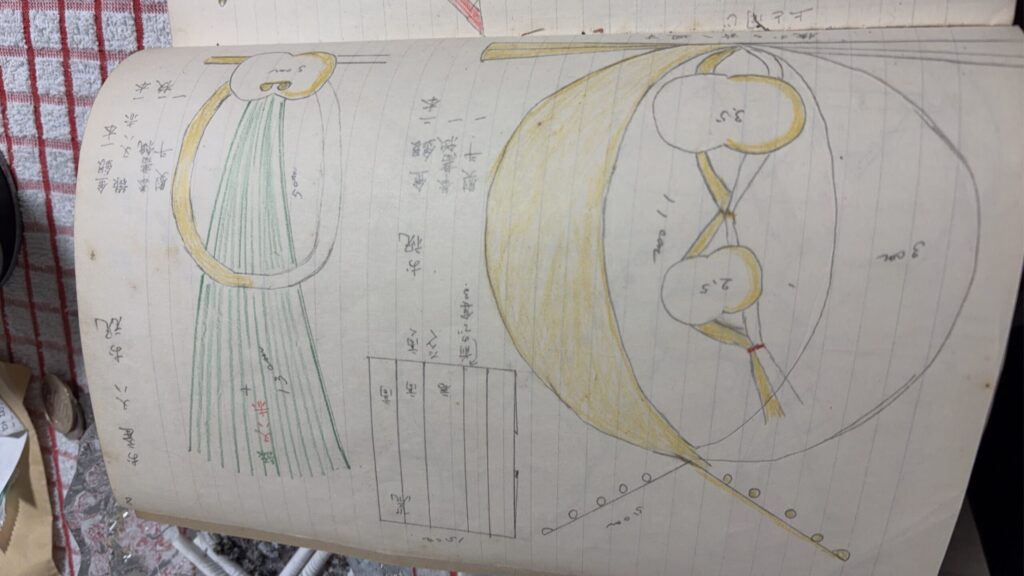
台帳と写真、そして実際にその時代を知る本人の記憶。
一つひとつを見るだけでは分からないことも、それぞれを組み合わせることで見えてくるものがあります。
一つの家に残されていた地域の記憶
今回の酒井家資料を整理していて感じるのは、歴史は必ずしも博物館や公文書館だけに残っているわけではないということです。
一軒の家の中に、
開拓した人の写真があり、その土地の記録、子どもたちの学びの記録、仕事に関する台帳、地域の暮らしを写した写真がある。
そして、それを実際に知っている人の記憶があります。
それらが長い年月を経て一つの家に残されていました。
今回、私が関わったのは、その資料が処分されるかもしれないという場面でした。
しかし、そこに残されていたものを一つずつ確認していくと、酒井家の歴史だけではなく、サクル原野の開拓、滝上町での暮らし、戦後の地域社会、教育、仕事など、さまざまな歴史につながる可能性が見えてきました。
まだ調査は始まったばかり
現在、これらの資料については、年代や人物、場所などを確認しながら調査を進めています。
御依頼者と話し、滝上町に寄贈をする為、現在滝上町教育委員会と連絡をとりながら資料を共有し、必要かどうか調べています。
特に、酒井きいちさんの写真とサクル原野の入植地、そして滝上に残る既存資料との照合。
また、食糧配給に関する写真についても、当時の地域資料と照らし合わせることで、写真が写している場所や背景を明らかにできる可能性があります。
今回見つかった資料について、現時点で分からないことを無理に断定するつもりはありません。
分かったことと、これから確認することを一つずつ分けながら、記録として残していきたいと思います。
一枚の写真、一冊の台帳、一枚の卒業証書。
それぞれは小さな記録かもしれません。
しかし、それらをつないでいくことで、かつてそこに暮らした人々の歴史が少しずつ浮かび上がってくる。
今回廃棄の水際で救った記憶は、100点以上の保全になり、事細かな内容は、きっと滝上町の郷土史に新たな1ページを紡ぐ事が出来ると思います。
今回の酒井家資料は、そんなことを改めて考えさせてくれる資料群でした。この記憶が、滝上町の地域史に貢献できます様、願っております。
歴史の空白を埋める遺品整理士。
From Records Destined for Disposal — Memories of Takigami and the Sakuru Wilderness Preserved by the Sakai Family
Published with the permission of the client.
In the course of estate clearing and life organizing, things that have remained in a family home for many years can sometimes be lost all at once when the time comes to sort through them.
Among the materials from the Sakai family that I encountered during this particular project were numerous photographs and documents that had been preserved over many decades.
Among them, I discovered a detailed record covering the period from the family’s pioneering settlement through the early years of the Showa era, created by the brother of the person whose home was being organized and who had already passed away.
The moment I saw it, I was struck by its rarity and significance. What surprised me even more was that the record contained detailed explanations accompanied by photographs from the period itself, providing a vivid account of the family’s history and life in the Takigami and Sakuru Wilderness area.
As I examined the materials more closely, I came to realize that they were not merely family memories, but contained a wide range of clues that can help shed light on the history of Takigami Town, Hokkaido.
The Sakai Family’s Settlement in the Sakuru Wilderness
While examining the materials preserved by the Sakai family, one of the records that particularly caught my attention was the documentation concerning Kiichi Sakai, who settled in the Sakuru Wilderness.
Kiichi Sakai is documented as one of the people who actually settled in the Sakuru Wilderness, and the materials discovered this time preserve even the specific lot number of his settlement.
In addition, several photographs of Kiichi Sakai himself have also been preserved.
The history of pioneering settlement can be learned through written records.
However, when photographs preserve the faces of the people who actually lived there, and those images can be connected to information about where those individuals settled, the history suddenly becomes much more concrete.
“Who lived there, where did they live, and how did they live?”
The materials discovered this time provide clues for exploring these questions.
Life in Takigami Preserved in Photographs
The materials include not only family photographs of the Sakai family, but also photographs that convey what life in Takigami was like.
Among them are photographs that appear to be related to food distribution in postwar Takigami. The photographs contain inscriptions that can be read as “Food Distribution Public Corporation,” “Hokkaido,” and “Takigami Branch.”
The Food Distribution Public Corporation existed for only a limited period, making this an important clue for determining the era in which these photographs were taken.
Today, Takigami Town still preserves photographs and local historical materials from the Showa period.
For these photographs as well, I would like to gradually determine the locations, dates, and people shown by comparing them with existing local historical records and other related materials.
Records Preserved by the Person Whose Home Was Being Organized
There is another important aspect to this collection of materials.
The person whose home was being organized is now 94 years old.
Among the materials preserved this time are items directly connected to her own life.
For example, there is a graduation certificate showing that she graduated from the Dressmaking and Cutting Course in Takigami.
There is also a photograph of her practicing alongside her teacher at the dressmaking school.
At first glance, it is simply an old photograph.
However, the person herself is still able to talk about those days and recall what life was like at the time.
Seen in this context, the photograph is not merely an “old photograph.” It becomes a historical record that can convey the life story of a woman who studied in Takigami and developed her skills there.
Records of Mizuhiki
In addition, the Sakai family has preserved materials related to mizuhiki, the traditional Japanese decorative cord.
These include a mizuhiki ledger, as well as photographs showing the mizuhiki itself.
These materials may also provide valuable clues for understanding everyday life, work, and the activities that took place within the local community at the time.
A ledger, photographs, and the memories of someone who actually experienced that period.
There are things that cannot be understood by looking at each item individually. But when these materials are brought together, new details and connections begin to emerge.
Local Memories Preserved in a Single Home
What I have come to feel while organizing the Sakai family materials is that history does not necessarily survive only in museums or public archives.
Within a single home, there were:
photographs of the people who pioneered the land, records relating to the places where they settled, records of the children’s education, ledgers documenting their work, and photographs showing everyday life in the local community.
And there are also the memories of someone who actually experienced and remembers those times.
All of these materials had remained together in one home over many decades.
My involvement began at a moment when there was a possibility that these materials might be discarded.
However, as I examined the materials one by one, I began to see connections extending beyond the history of the Sakai family itself—to the pioneering settlement of the Sakuru area, everyday life in Takigami, postwar local society, education, work, and various other aspects of the region’s history.
The Research Has Only Just Begun
At present, I am continuing to research these materials while verifying their dates, the people depicted, the locations, and other details.
After discussing the matter with the client, we are currently in contact with the Takigami Town Board of Education regarding the possibility of donating the materials to the town. We are sharing information about the materials with them so that their relevance and potential value can be assessed.
In particular, I am comparing the photographs of Kiichi Sakai and information about his settlement in the Sakuru area with existing historical materials preserved in Takigami.
I am also examining the photographs related to food distribution. By comparing them with local records from the period, it may be possible to identify the locations shown in the photographs and better understand the circumstances in which they were taken.
I do not intend to force conclusions about what cannot yet be established from the materials discovered this time.
I would like to preserve these records carefully, distinguishing one by one between what has been confirmed and what still needs to be investigated.
A single photograph. A single ledger. A single graduation certificate.
Each may appear to be only a small fragment of the past.
But when these fragments are connected, the history of the people who once lived there gradually begins to emerge.
The memories rescued this time at the point of disposal have resulted in the preservation of more than 100 individual items. Their detailed contents may, I believe, have the potential to add a new page to the local history of Takigami Town.
An Estate Organizer Who Fills the Gaps in History.