

先日、遺品整理の続きをさせて頂いて、故人が軍に任官した時、また、除隊した時の軍盃を発見した。
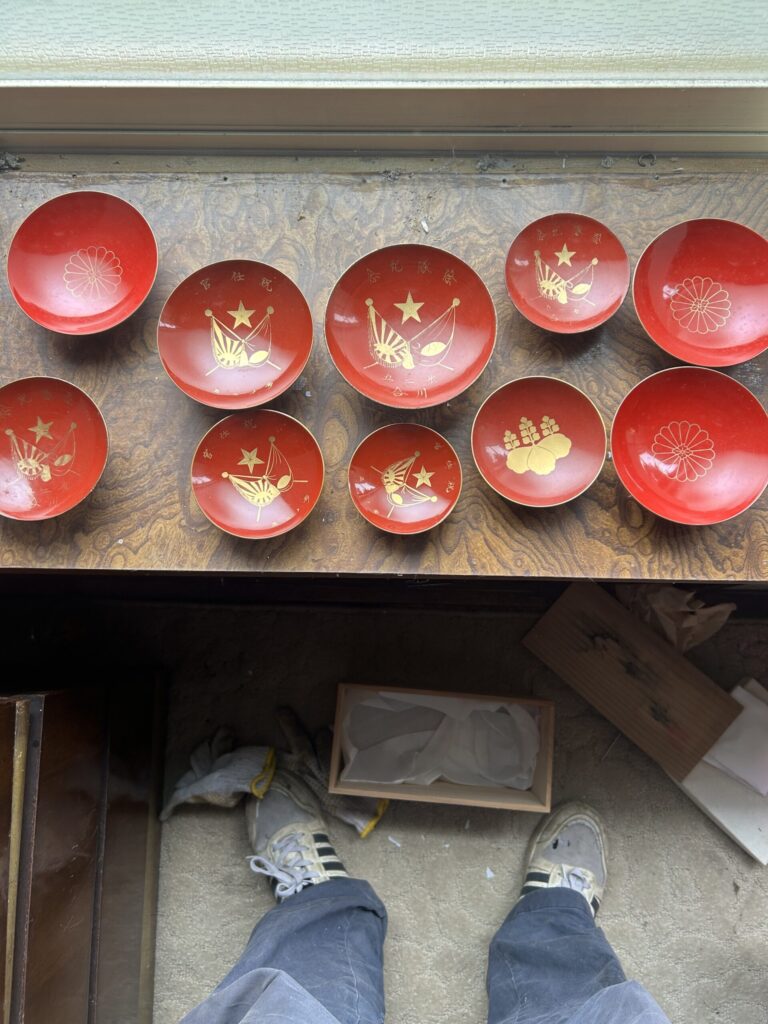
1人の青年が、戦争に翻弄され、そして無事生きて帰ってきた。一人の人間が国に命を捧げ、家族が大切に守ってきた記憶に他ならない。
しばらく時間が止まり、そして手を合わせ、箱に戻し大事な物を入れているケースに移した。
一階もあらかた整理し終わり、2階に昇って整理を始めた。
故人が寝室として使っていたであろう部屋で書類整理をしていたところ、押入れから本が大量に出てきた。中には、戦争関係の本、特にビルマ関連が多かったと思う。
故人が戦争後も、忘れたくても忘れられない、忘れてはいけない記憶だったのだと、本を一つ一つ確かめた。
すると、2冊、私の目を離さない本が出てきた。
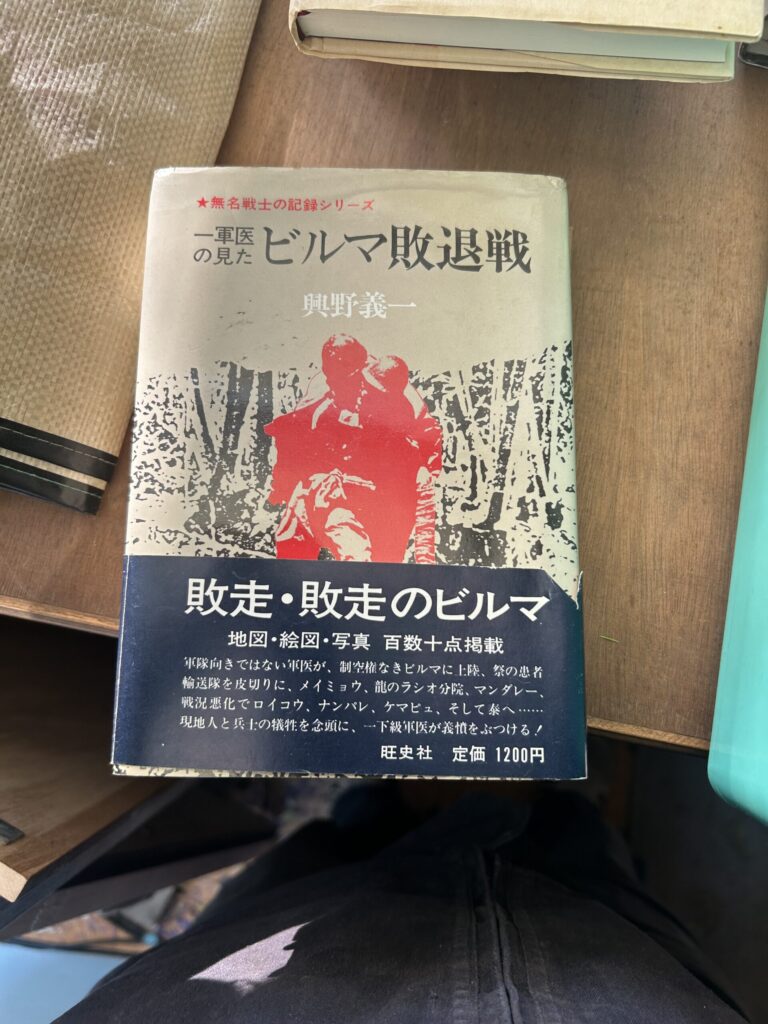
興野義一氏の本だった。この本はインパール作戦における一次資料として根強い人気のある本だと言う事だった。ページを拡げると、、。
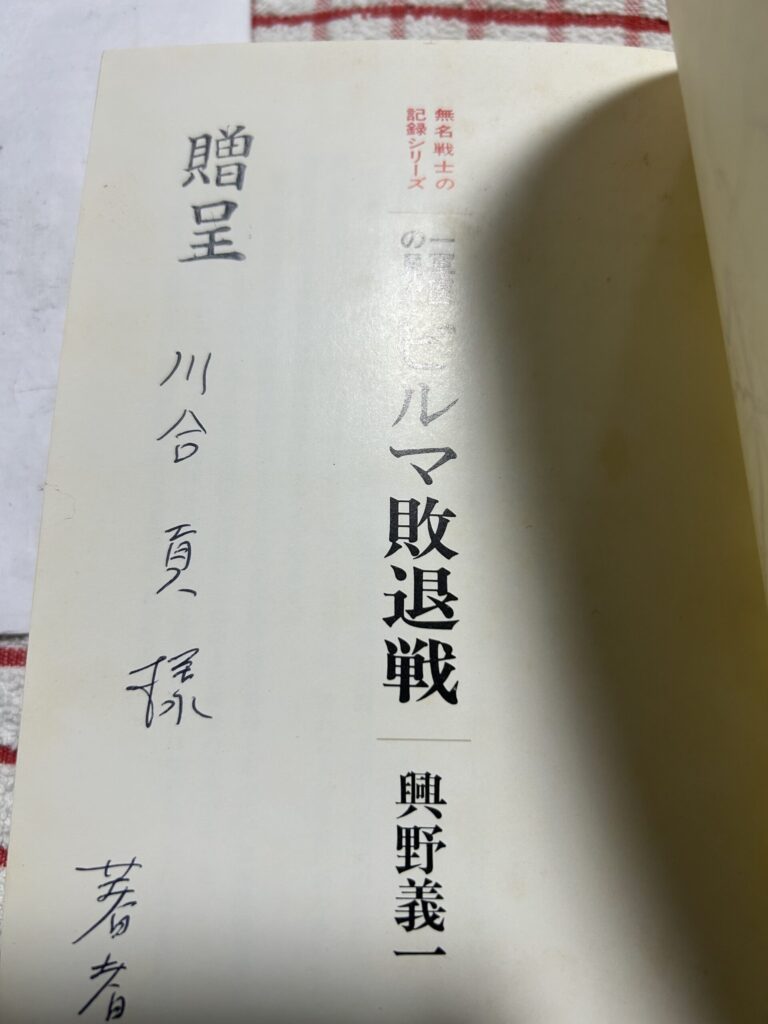
そう、故人と興野氏は、第121兵站病院の戦友だったのだ。恐らく北カ会でお会いしながら、昔を懐かしみ、インパール作戦で経験した事を忘れまいと、次世代に紡ぎ、伝えて行かねばならないと筆をとったのだと思う。
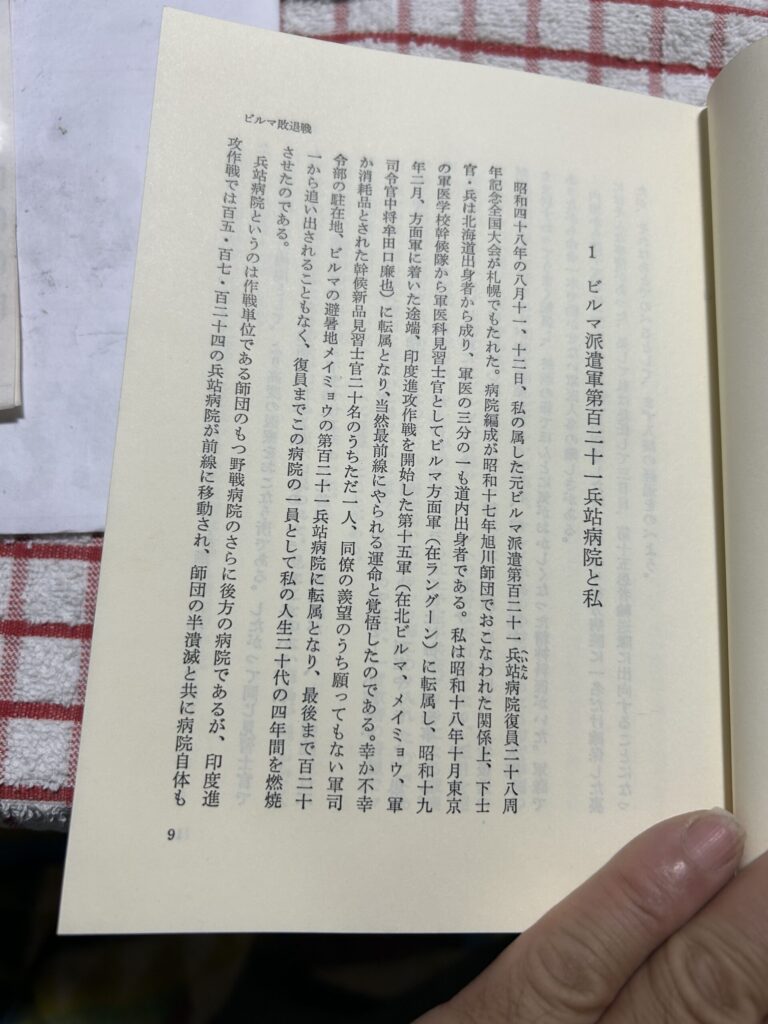
その証拠に、北カ会の全国大会の話を冒頭に記している。
故人の文集が載っているビルマ戦陣回顧録にも、故人の文集の中に写真があったので頻繁に集まっておられたのかなと感じた。
そして、もう一つの本は、見た限り私家本と思われる。
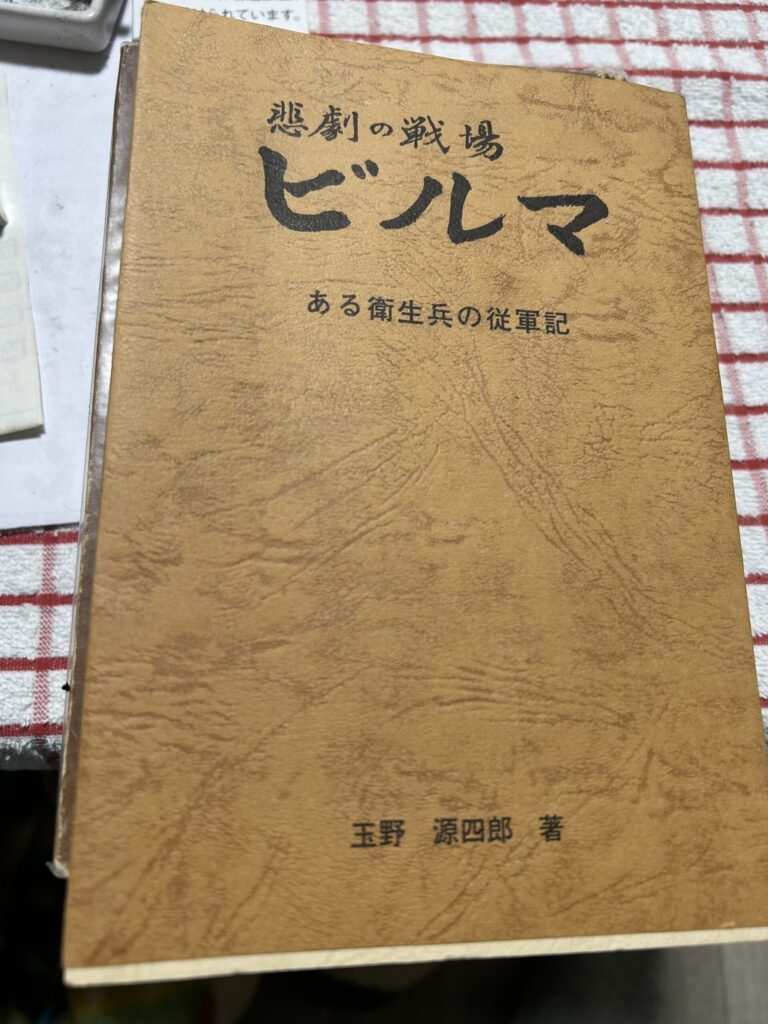
ネットで調べてみたが、やはりヒットする事はなく、戦友会メンバーのみに配られた本ではないかと思う。
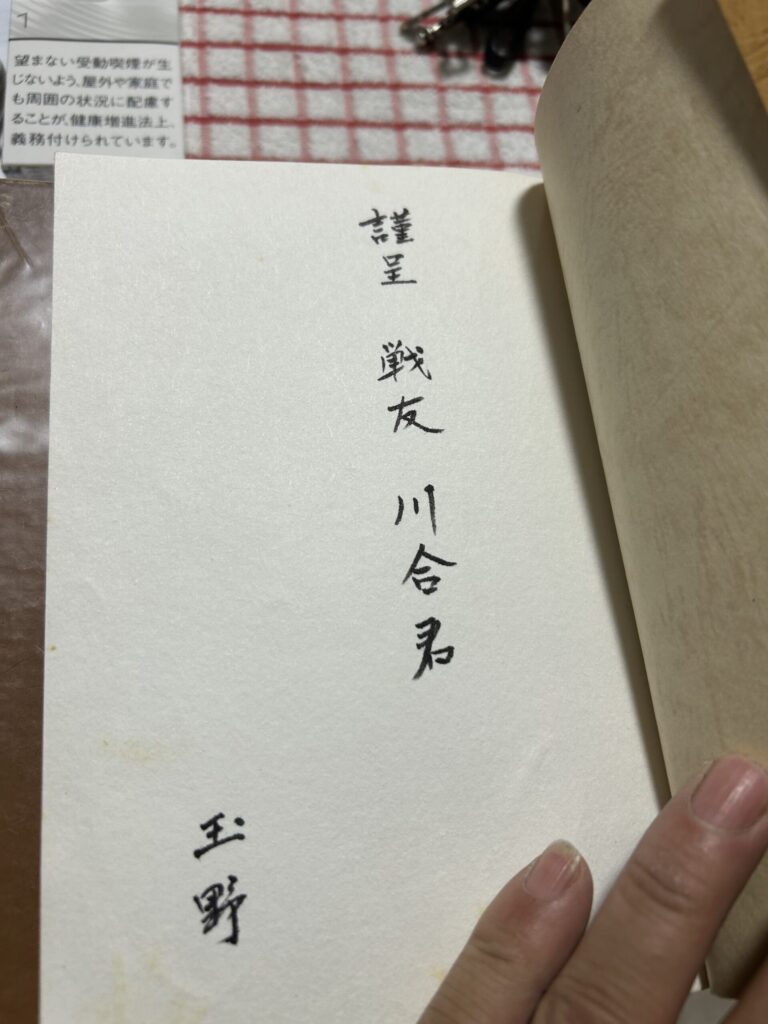
ビルマで地獄を味わい、無事帰還できた戦友。刻が経ってもその絆は途切れる事はないのだと、話されている様に思えた。
ビルマ戦陣回顧録→一軍医がみたビルマ敗退戦→悲劇の戦場ビルマを、時系列で読み解いてみたが、上層部に対しての義憤、戦争に対しての嫌悪、2度と同じ過ちを犯してはならないと、体験を通じて訴えている様に感じた。これは故人の、戦友達の魂の叫びなのだと。
告発に近いこの本達は、そして想いは、水際の記憶として、遺品整理で救われたのです。
遺品整理は故人、先人の記憶を護る、唯一の砦なのです。効率のみを追いかけ、商業的価値しか目指さないのは、廃棄や売却による、故人や先人の記憶に対しての暴力に近いと思っています。
でも、制度上、御遺族の負担を減らす為に買い取りや売却を余儀なくされているのも、わかるのです。
制度を変えないと、近いうちにある一定の期間から人類の記憶は廃棄や売却により、公の場から消えていくでしょう。
気づかなければなりません。何処で止めなければなりません。その想いだけで、私は今も水際で救っています。
English Translation
Protecting Memory: The Last Frontier of Human Heritage
Recently, while continuing my work in estate liquidation, I discovered several gunpai (military sake cups) commemorating the deceased’s enlistment and discharge. These cups told the story of a single young man—tossed by the waves of war, yet miraculously returning home alive. They were nothing less than the embodiment of a life offered to the nation, a memory kept sacred and cherished by his family for decades.
For a moment, time stood still. I offered a silent prayer, carefully returned the cups to their box, and moved them to a case reserved for the most precious items.
Moving my work to the second floor, I began organizing documents in what must have been the deceased’s bedroom. From the depths of a closet, a massive collection of books emerged. Many were related to the war, specifically the Burma Campaign. It became clear through each book I examined that these were memories the deceased could never forget—and perhaps felt he must never forget.
Two particular volumes gripped my attention: works by Giichi Kono. These are known as vital primary sources for understanding the Imphal Campaign. As I turned the pages, a profound realization struck me. The deceased and Mr. Kono were comrades-in-arms, both stationed at the 121st Staging Hospital. I could almost see them meeting at veterans’ gatherings (the Hokuka-kai), reminiscing about their shared past, and vowing to put pen to paper so that the horrors of Imphal would be woven into the consciousness of the next generation.
Evidence of this was clear in the opening remarks of one book, which detailed a national convention of the Hokuka-kai. In another collection of memoirs from the Burma front, I found photographs of the deceased, suggesting he was an active and frequent participant in these reunions.
The other book appeared to be a privately published edition. My search online yielded no results; it was likely distributed only among the members of the veterans’ association. It spoke of a bond between comrades who had tasted hell in Burma and survived—a bond that the passage of time could never sever.
Reading through these volumes—from the Burma memoirs to the medical officer’s account of the retreat—I felt a raw, surging emotion: a righteous indignation toward the military high command, a profound loathing for war, and a desperate plea that such tragedies never be repeated. These books are the “silent screams” of the souls of the deceased and his comrades.
These writings, which border on a formal indictment of the era, were rescued at the “water’s edge” of history through the practice of estate liquidation.
Estate liquidation must be the only fortress protecting the memories of our predecessors. To pursue only efficiency and commercial value is, in my view, akin to committing an act of violence against the memories of the departed.
I understand the institutional pressures that force families to choose liquidation or sale to ease their own burdens. Yet, unless we change the system itself, the records of humanity from certain eras will inevitably vanish from the public sphere, consumed by disposal and commercialism.
We must wake up. We must stop this loss somewhere. It is with this singular conviction that I continue to stand at the water’s edge, rescuing history.