
今日は、僕が提唱する歴史保全型遺品整理について話したいと思います。
きっかけは、2023年11月。伊達市松ヶ枝町にあった古い古民家を御遺品整理したことから始まる。
僕は初めから歴史保全に力を入れていたわけではありません。倫理観は持ちつつも、価値があるものがあれば御遺族が喜ぶ。売ればご依頼者の負担が軽くなる。その様に考えてきました。
同じ敷地内でご依頼者にとってとても大事な有価物を発見し、すぐお渡しして気を引き締めて古民家の整理に挑んだ記憶があります。
暗闇の中、ライトを照らし、野犬やイタチに気をつけながら仕分けしていく中で、渋谷家文書を発見した。価値があれば、ご依頼者も喜んでくれると。
その時はまだ、心臓の難病を抱えていた元妻の親戚の学者の方が親戚だったので、約束を思い出し鑑定してもらったら、とても価値がある資料とわかった。ご依頼者が売りたいと言えば、海外のコレクターや、資料に興味のある国内の骨董屋にご依頼者の意志を確認して売るのが遺品整理の常識と思っていた。だから初めは、ご依頼者が(金銭的に)喜んでくれると考えていた。価値に換算すればかなりの額になりえる資料なだけに、期待も膨らんだ。
でも、その価値観をご依頼者様と、博士が良い意味で壊してくれた。
ご依頼者様は、価値があるとわかっていながら、初めは博士に研究の為に寄贈したいと話された。
正直驚いた。そして心から尊敬した。
博士は博士で、伊達市で見つかったのだから、伊達市に地域の財産として寄贈しましょうと言った。
自身の研究対象にすれば、学術的な意味で論文を書けるレベルだし、資料自体今まで表に出てこなかった歴史が書いていたからだ。
そんな2人の誠実を誇らしく思い、また、発見した意義があったと胸が熱くなった。売るも残すもご依頼者の意向を尊重するのが遺品整理人。そして、しばらくたったある日、売却すればどうなるのか博士が懸念を教えてくれた。要するに、日本の歴史が一部無くなる、という事だと。
遺品整理や解体業者、廃棄業者は、殆ど価値がわからない人が多いと思う。わからないが故に、仕事として廃棄を選択する。当然だ。運良く見つけられた資料は、売却にまわるのが殆どだ。そうなれば、学術界にとっては大きな損失になり、ある一定の時期から歴史は空白になる。
そして、遺品整理業界や、建築業界、廃棄物処理業者は、無自覚の中で歴史を消している事になるのだ。
僕は、知ってしまった。
寝る時、よく考える様になった。資料の価値が博士を通じてわかる様になればなるほど、恐怖が襲ってきた。知らぬ間に自身の手で、歴史を消しているのではないか?と。資料自体、中々出てこない物と認識はしているが、実は消し去っている方が多いのでは?と。とにかく、恐怖が襲ってきた。救うという事は、最終ジャッジは廃棄の水際に立つ自分自身だという事に戦慄した。
その後寄贈者の意志や、親戚の博士の紹介で伊達市に寄贈する話になり、受け渡しまで古民家を管理する事に。中に整理された古文書群をイタチや野犬から守るため、冬の間異常がないか度々確認しにいった。
様々な嫌な事もあったが、無事記者会見に至り、それからというもの、遺品整理において徹底的な仕分けを意識した。残念な事に博士とは、記者会見1ヶ月後に妻と離婚したので親戚ではなくなり、それから連絡をとっていないので、それからは1人で歴史保全をしてきた。当事はよく馬鹿にされたもので、歴史保全では料金をとっていない為、経営者としては失格だとも言われた。だが僕の考えは、あくまで遺品整理の枠組みの中での事であり、ご遺族が喜んでくれればそれで良い。そして先人や故人の人生の軌跡を辿り、記憶をみつけ、もう一度世に出て生きる。僕はその遺品整理に、「軌跡の遺品整理」と名づけた。
発見した経験を活かし独学で考え、独自の手法も編み出し、結果は、約2年で数百点の保全に至っていた。そして現在に至る。
僕は1人で日本で歴史保全の提言をし、世界にまで1人で行動した。普通なら無視されてもおかしくない、個としての挑戦だった。世界でも廃棄の水際が問題であれば、きっと届くと思った。
、僕は必ずこの手法を誠実な人達と日本、世界に広めて問題を解決する一助としたい。
この手法の事は、日本では誰にも話していない。嫌な事があった経験が、僕をガードさせた。
ただ、倫理観を持たないものが使用すると必ず諸刃の剣になる。それには法改正が必要になってくる。
個人の善意に頼るばかりでは、歴史の消失は免れない。これは紛れもない現実です。
「埋もれてきた個人、消されそうになっているコミュニティの記憶や権利(アイデンティティ)を、現場(当事者)に寄り添って守るべきだ」という、現代の文化財保護の最も新しい世界基準(decolonising/脱植民地化・民主化)を提示している。 タンダンヤ・アデレード宣言の理念。
現在僕が救った新しい記憶も、日本の近代の遺品整理から出てくる資料であっても、「光が当たらずに捨てられそうになっていた記憶を救う」という意味では、この宣言の哲学(理念)と完全に一致してると僕は考えている。
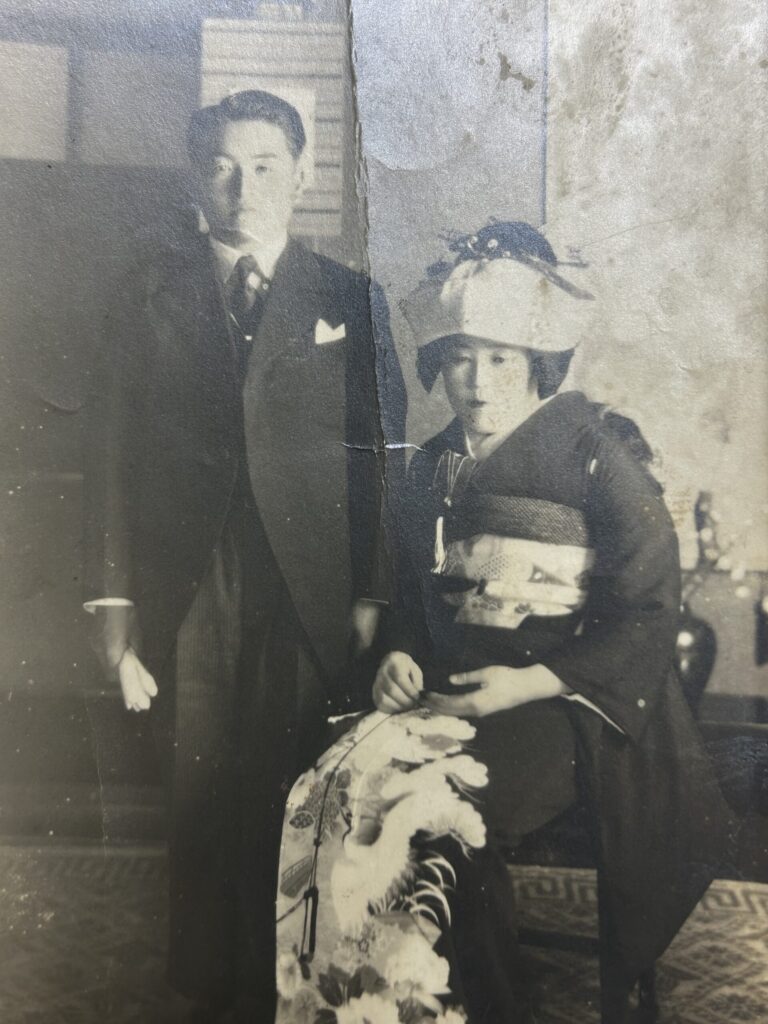
最近発見したビルマの資料。昭和21年に地獄から帰還し、翌年22年に結ばれた故人。
線として時系列をなぞり、故人の人生の軌跡を光に照らす。僕はこの仕事に誇りを持っている。
English Translation
What is “Relic Organization of Footsteps”?
Today, I would like to talk about “Historical Preservation-Style Relic Organization,” a concept that I advocate.
It all began in November 2023, when I was organizing the relics of an old traditional house located in Matsugae-cho, Date City.
I did not focus on historical preservation from the very beginning. While maintaining a sense of ethics, I used to believe that if there were items of value, the bereaved family would be pleased, and selling them would lighten the client’s financial burden. That was my mindset.
I still remember bracing myself and tackling the organization of that traditional house right after discovering valuable assets that were deeply important to the client on the same premises and returning them immediately.
In the darkness, illuminating the space with a flashlight while staying alert for stray dogs and weasels, I discovered the “Shibuya Family Documents” during the sorting process. I thought that if they had value, the client would be happy.
At that time, a scholar who was a relative of my ex-wife—who was battling a serious heart disease—happened to be part of the family. Remembering a promise, I asked him to appraise the documents, and they turned out to be materials of immense value. I used to think that the common sense of relic organization was to confirm the client’s wishes and sell them to overseas collectors or domestic antique dealers interested in such materials if the client wished to sell. Therefore, at first, I thought the client would be happy financially. Since these materials could be worth a considerable amount when converted into monetary value, my expectations grew.
However, the client and the doctor shattered that value system in the best possible way.
Despite knowing the value, the client initially expressed a desire to donate the materials to the doctor for his research.
To be honest, I was astonished. And I respected them from the bottom of my heart.
The doctor, for his part, suggested, “Since they were found in Date City, let us donate them to Date City as a local asset.”
If he had made them his own research subject, they were at a level where he could write academic papers, especially since the materials recorded history that had never come to light until now.
I felt proud of the integrity of those two people, and my heart swelled with the feeling that discovering them truly meant something. A relic organizer’s job is to respect the client’s wishes, whether to sell or to keep. Then, some time later, the doctor shared his concerns with me about what would happen if they were sold. In short, it meant that a piece of Japanese history would disappear.
I believe that most people in the relic organization, demolition, and waste disposal industries do not understand the value of such items. Because they do not know, they choose disposal as a matter of course for their job. This is natural. Most materials that are luckily found end up being sold. If that happens, it becomes a massive loss for the academic world, and history becomes a blank slate from a certain period onward.
Consequently, the relic organization industry, the construction industry, and the waste management industry end up erasing history unknowingly.
I had come to know this reality.
When I went to bed, I started thinking about it frequently. The more I understood the value of the materials through the doctor, the more terror struck me. Was I erasing history with my own hands without realizing it? I recognize that the materials themselves rarely surface, but could it be that far more are actually being wiped out? At any rate, terror gripped me. I shuddered at the realization that saving them meant standing on the very precipice of disposal as the final judge.
Afterward, based on the donor’s wishes and the introduction by the doctor, it was decided to donate them to Date City, and I was entrusted with managing the traditional house until the handover. To protect the sorted archival documents inside from weasels and stray dogs, I went to check on the property repeatedly during the winter to ensure there were no issues.
Although there were various unpleasant experiences, we safely reached the press conference. Since then, I became deeply conscious of thorough sorting in relic organization. Regrettably, one month after the press conference, I divorced my wife, so the doctor was no longer a relative. I have not been in contact with him since, and from that point on, I have pursued historical preservation alone. At the time, I was often ridiculed; because I do not charge fees for historical preservation, people told me I was a failure as a business owner. However, my view is that this is strictly within the framework of relic organization, and as long as the bereaved family is happy, that is all that matters. By tracing the footsteps of predecessors and the deceased, finding their memories, and bringing them out into the world to live once more—I named this approach to relic organization “Relic Organization of Footsteps” (軌跡の遺品整理).
Drawing on my experience of discovery, I thought things through on my own and devised unique methods. As a result, in about two years, I had preserved hundreds of items. And that brings me to the present.
I made the proposal for historical preservation alone in Japan, and I even took action globally by myself. Normally, it would not have been surprising if I had been ignored; it was a challenge taken on as a lone individual. But I believed that if the brink of disposal was a problem worldwide, my message would surely resonate.
I am determined to spread this method across Japan and the world alongside sincere people to help solve this problem.
I have not spoken to anyone in Japan about this method. The unpleasant experiences I faced made me guard myself.
However, if used by someone without a sense of ethics, it will inevitably become a double-edged sword. To prevent this, legislative reform will be necessary.
If we rely solely on individual goodwill, the loss of history is unavoidable. This is an undeniable reality.
It presents the newest global standard of contemporary cultural property protection (decolonizing/democratization): “We must stand alongside the people involved on the ground to protect the memories and rights (identities) of individuals who have been buried and communities that are on the verge of being erased.” This is the philosophy of the Tandanya-Adelaide Declaration.
Even though the new memories I am saving now are materials emerging from modern Japanese relic organization, I believe my work completely aligns with the philosophy of this declaration in the sense that it “saves memories that were about to be discarded without ever seeing the light of day.”
Take the materials concerning Burma that I discovered recently. The deceased individual returned from that hell in 1946 (Showa 21) and was wed the following year, in 1947 (Showa 22).
By tracing the timeline as a continuous line, I illuminate the footsteps of the deceased’s life. I take great pride in this work.