
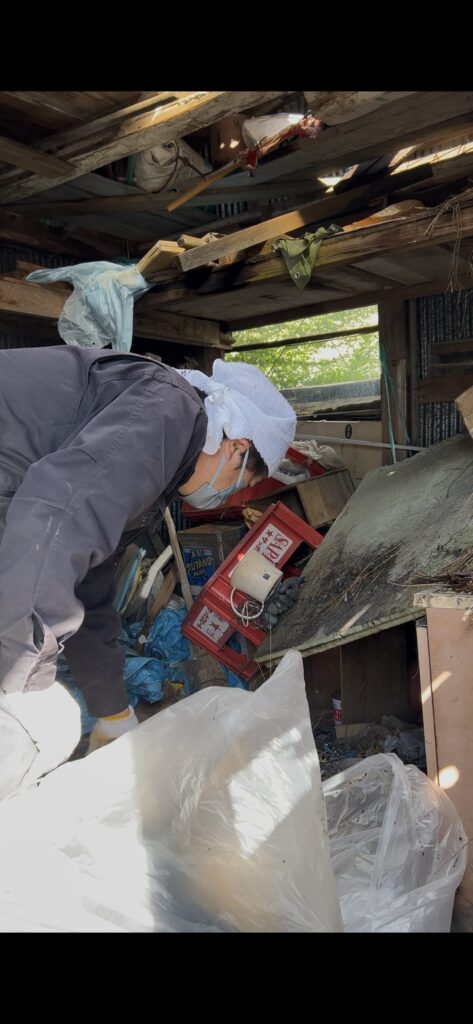
先日から、故人の物置を遺品整理していた。
亡くなってから10年の歳月が経っており、朽ちかけているので早急な対応が必要だった。
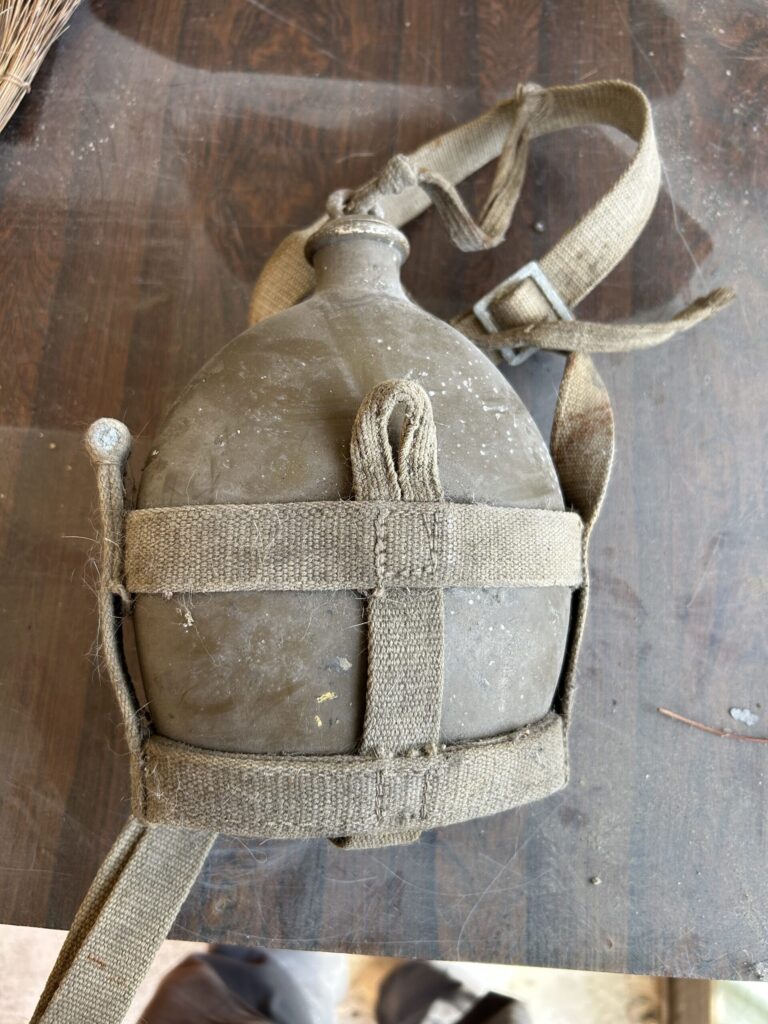
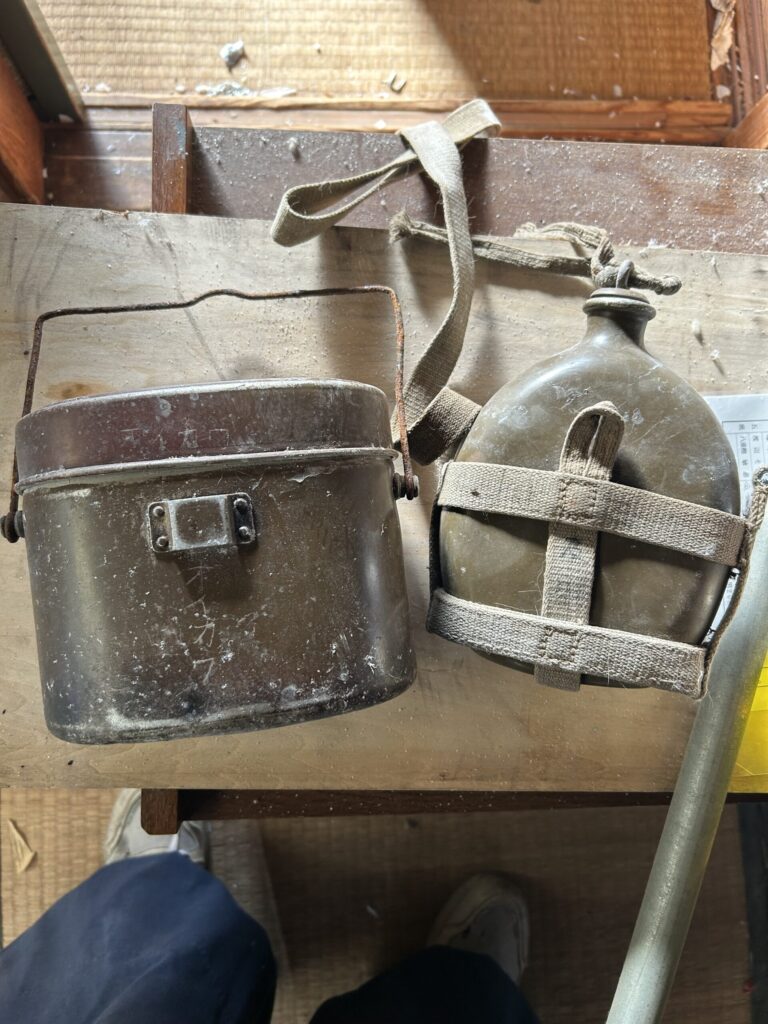
その中で、戦時中に使われていたであろう水筒と飯釜を発見したので紹介しようと思う。
記憶を守る、水際の救出。ビルマの泥にまみれた「及川」と「川合」の約束。
朽ち果て、自重に耐えかねて今にも崩れ落ちようとする物置。
そこは、時が止まったまま、忘却の淵へと沈みゆく一歩手前の場所でした。
私の仕事は、時に過酷な現場となる。
しかし、土埃の舞う暗がりの中で、私の手が止まった。
指先に触れたのは、冷たく、それでいてどこか熱を帯びたようなアルミニウムの質感。栓は朽ちかけたコルクだった。
そこから現れたのは、旧日本陸軍の飯盒と、キャンバスの紐に守られた水筒だった。
「及川」と刻まれた、生きた証
飯盒の蓋には、無骨な手つきで彫られた「オイカワ」のカタカナ。
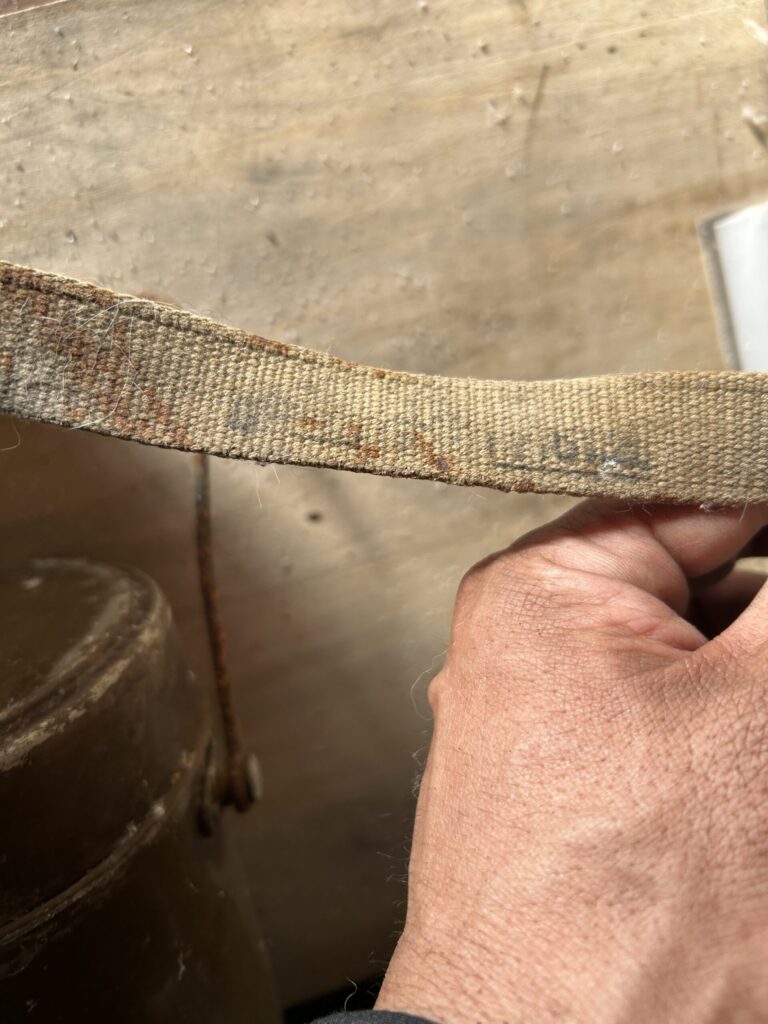
そして水筒のハーネスには、年月を経てなお毅然と残る漢字の「及川」。ハーネスの紐に何か書かれていると思い、AIで分析を試みたところ、検印らしく、書かれていたのは「昭和十八年」。だそうだ。
日本が、そしてビルマ派遣軍が、あの大戦の最も深い闇へと足を踏み入れていく時期の装備だ。
一見すれば、それは戦後80年を経た古道具に過ぎないかもしれない。
だが、この品が見つかった場所が、この遺品の持つ「意味」を劇的に変えた。
ここは、ビルマ戦線・第121兵站病院で衛生兵として従事していた「川合」氏の家だったのだ。
兵站病院という名の、生と死の交差点
第121兵站病院。
そこは、凄惨を極めた「白骨街道」の果てに、傷つき、飢え、病に倒れた将兵たちが最後に辿り着く場所。
衛生兵であった川合氏は、日々、運び込まれる戦友たちの最期を看取ってきたはずだ。
なぜ、川合氏は自分の物ではない「及川」氏の装備を、あの地獄のビルマから持ち帰ったのか。
そしてなぜ、朽ちゆく物置の中で、今日この日まで大切に保管し続けていたのか。
答えは、物言わぬ遺品の中に隠されている。
及川氏は、川合氏が看取った患者だったのではないか。
または、共に戦友として従事してきた仲の良かった友の遺品をビルマ戦線から帰還させたのではないか?
あるいは、泥濘の中で力尽きる直前、自分の「生きた証」を唯一信頼できる衛生兵に託したのではないか。
「俺の代わりに、これを日本へ連れて帰ってくれ」
そんな声が、この飯盒の傷一つ一つから聞こえてくるような気がしてならない。
川合氏は、戦後もずっと、この及川氏の形見を「預かりもの」として守り続けていた。または、絆として後生大切にしていたのではないか?及川氏がかつて吸ったであろう空気、飲んだであろう水の記憶とともに。
記憶を繋ぐ、ということ
遺品整理とは、単に物を処分することではない。
それは、故人が墓場まで持っていけなかった「想い」のバトンを受け取ることだ。
もし、この物置がそのまま崩壊し、重機で押しつぶされていたら。
及川氏という一人の青年がいたこと、そして川合氏という衛生兵がその友の証を守り抜いたという「美しい友情」の事実は、永遠に失われていただろう。
丁寧に仕分けをし、歴史の泥の中からこの二人の名前を救い出した時、私は改めてこの仕事の重みを知る。
私は、学術の専門家ではなく、実務家だ。物語はもしかしたら私の推測でしかないかもしれない。戦後、仲の良かった方から貰い受けたものかも知れない。
でも、故人の名前とは違う「オイカワ」という昭和18年代に製造された、使い古されたであろう水筒と飯釜が出てきた時点で、接点が本来ない他人の所有物が出てきた。それは過酷な戦線でよく行われていた形見の持ち帰りなのではないかと私は感じた。
途絶えようとする物語を、現代へと繋ぎ止める水際の遺品整理。
ビルマの空の下で交わされたであろう、二人の男の約束。
それは今、80年の時を経て、私の手によってようやく「完結」へと向かおうとしている。
及川さん。川合さん。
あなたたちが守り抜いたものは、確かに、ここに受け取りました。
記憶は、まだ、終わらせない。そして御遺族と共に学術への橋渡しをし、このまとまった記憶を寄贈へと繋げる。
しっかりと想いを継承し、記憶を公開し、戦争の愚かさを訴えてきた故人、並びにビルマに散った兵士達の叫びを、開かれたアーカイブとして公開される事を切に願う。
合同会社LRA association CEO田澤恵司
及び御遺族一同。
English Translation
Canteens and Mess Kits: Returning from the Burma Front to Japan
Recently, I have been organizing the belongings in a storehouse left behind by the deceased.
Ten years have passed since their passing, and the structure was decaying rapidly, necessitating urgent action. Amidst the dust and shadows, I discovered a canteen and a mess kit—relics of the war. I would like to share their story.
Contents
- Safeguarding Memories, a Rescue at the Water’s Edge: The Promise of Oikawa and Kawai, Forged in the Mud of Burma.
- “Oikawa”: A Tangible Proof of Life.
- The Field Hospital: An Intersection of Life and Death.
- The Act of Connecting Memories.
Safeguarding Memories, a Rescue at the Water’s Edge: The Promise of Oikawa and Kawai, Forged in the Mud of Burma.
Inside the storehouse, which was on the verge of collapsing under its own weight, time had stood still—a place just a step away from sinking into the abyss of oblivion.
My work often takes me to grueling sites. Yet, in the darkness swirling with dust, my hands suddenly stopped. My fingertips felt the cold, yet somehow strangely warm, texture of aluminum. The stopper was made of decaying cork. Emerging from the debris were an Imperial Japanese Army mess kit and a canteen protected by its canvas harness.
“Oikawa”: A Tangible Proof of Life
On the lid of the mess kit, the name “Oikawa” (オイカワ) was carved in rough katakana. On the canteen’s harness, the name “Oikawa” (及川) remained steadfast in kanji. Noticing markings on the straps, I used AI to analyze them; the inspection stamp revealed the year: “Showa 18” (1943).
These were pieces of equipment from the era when Japan—and the Burma Expeditionary Force—were stepping into the deepest darkness of the Great War.
To a casual observer, they might seem like mere antiques from 80 years ago. However, the location where these items were found fundamentally changes the “meaning” of these relics. This was the home of Mr. Kawai, who served as a medic in the 121st Field Hospital on the Burma Front.
The Field Hospital: An Intersection of Life and Death
The 121st Field Hospital was a destination at the end of the harrowing “Death Railway” (White Bone Road), where soldiers who were wounded, starving, or diseased finally arrived. As a medic, Mr. Kawai must have witnessed the final moments of his comrades daily.
Why did Mr. Kawai bring back “Oikawa’s” equipment—items that were not his own—from the hell of Burma? And why did he keep them so carefully in this decaying storehouse until this very day?
The answer is hidden within these silent relics. Perhaps Oikawa was a patient under Kawai’s care. Or perhaps he brought back the keepsakes of a dear comrade with whom he shared a deep bond on the Burma Front. Or perhaps, just before his strength failed in the mire, Oikawa entrusted his “proof of life” to the only person he could trust: the medic.
“Take this back to Japan in my stead.”
I can almost hear those words in every scratch on the mess kit. For all the years after the war, Mr. Kawai kept Oikawa’s mementos as a “sacred trust,” or perhaps cherished them as a symbol of their bond—along with the memory of the air Oikawa breathed and the water he drank.
The Act of Connecting Memories
Estate organizing is not merely the disposal of items. It is the act of receiving the “baton of wishes” that the deceased could not take with them to the grave.
If this storehouse had simply collapsed and been crushed by heavy machinery, the fact that a young man named Oikawa existed, and the “beautiful friendship” in which a medic named Kawai protected the proof of his friend’s life, would have been lost forever.
As I carefully sort through these items and rescue the names of these two men from the mud of history, I am reminded once again of the weight of this profession. I am not an academic expert; I am a practitioner. This narrative may be my speculation. Perhaps these items were received from a close friend after the war.
However, when a used canteen and mess kit bearing a name different from the deceased—”Oikawa,” manufactured in 1943—emerge from a storehouse, it signifies a connection to a person who otherwise would have no link to this home. I felt that this was a case of bringing back a memento, a practice common on those brutal battlefronts.
This is a “water’s edge” estate organization, tethering a story that was about to be severed to the modern world. A promise between two men, likely exchanged under the skies of Burma.
Now, after 80 years, that promise is finally moving toward “completion” through my hands.
Mr. Oikawa. Mr. Kawai. What you both protected, I have certainly received here.
The memory will not end yet. Together with the bereaved family, I will bridge these memories to academia and ensure this collective history is donated.
I earnestly hope that these memories will be faithfully inherited and made public—as an open archive—carrying the cries of the deceased and the soldiers who fell in Burma, who spoke of the folly of war.
Keiji Tazawa, CEO, LRA Association LLC
and the Bereaved Family