
今日は先日に引き続き、ビルマ資料を保全した故人宅にて、屋根裏の最終整理をしていた。
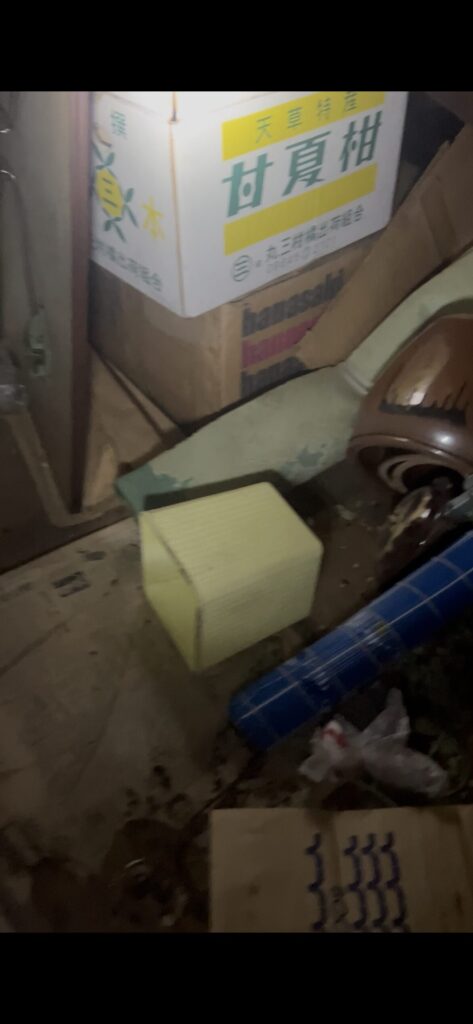
暗がりの中ライトをつけ整理をしていると、渋谷家文書を発見した頃を思い出す。
当時は11月末だった事もあり、夕方近くなると明かりが途絶え真っ暗な中、バイト数人と最終整理をし、指示をしながら仕分けをしていたものです。
そんな中先日整理をしていると、昭和17年に故人が特注した御膳を発見した。
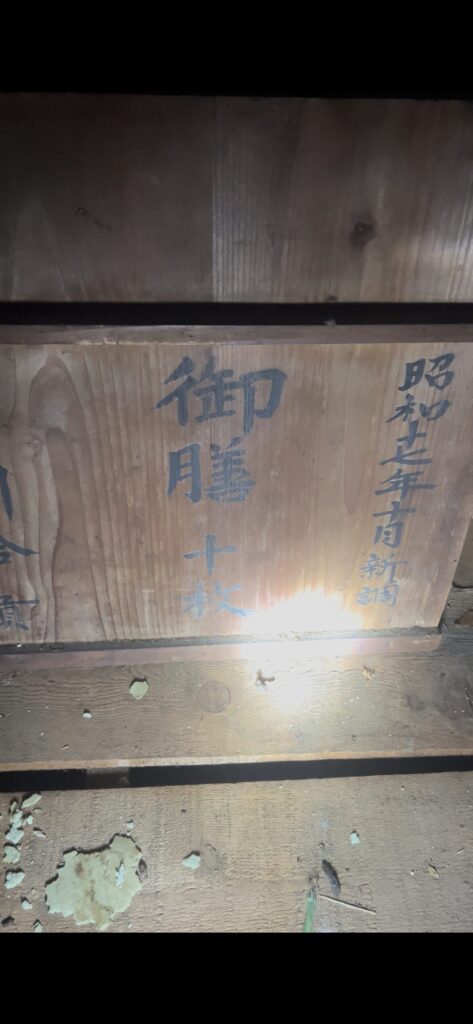
状態も良く、家族の歴史として御遺族に報告する予定。
そんな中、奥に段ボールがあり覗いてみると大量の本や紙が出てきた。大体は昭和40年代だろうか。故人の家族は博識だったのが伺える量だった。
整理していると、1冊目に留まる本があった。
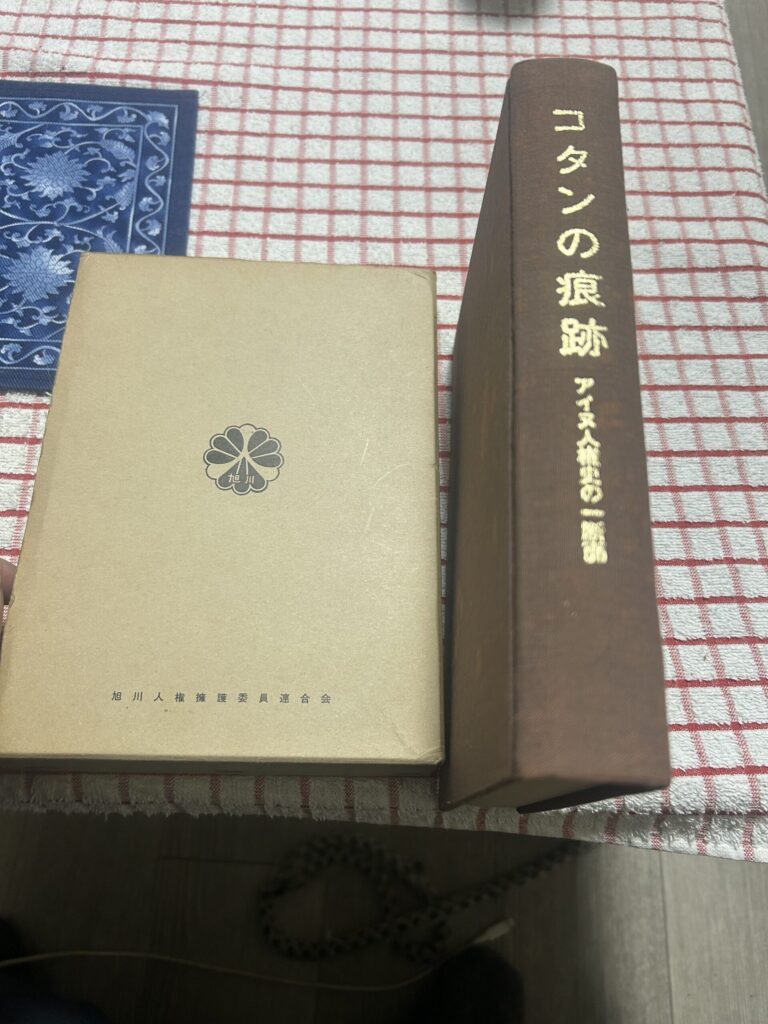
旭川人権擁護委員連合会が昭和46年に発刊した、
「コタンの痕跡〜アイヌ人権史の一断面」だった。
早速調べてみると、こちらも非売品で、全国の大学図書館で39件、国立国会図書館サーチだと6件のヒットがあった。
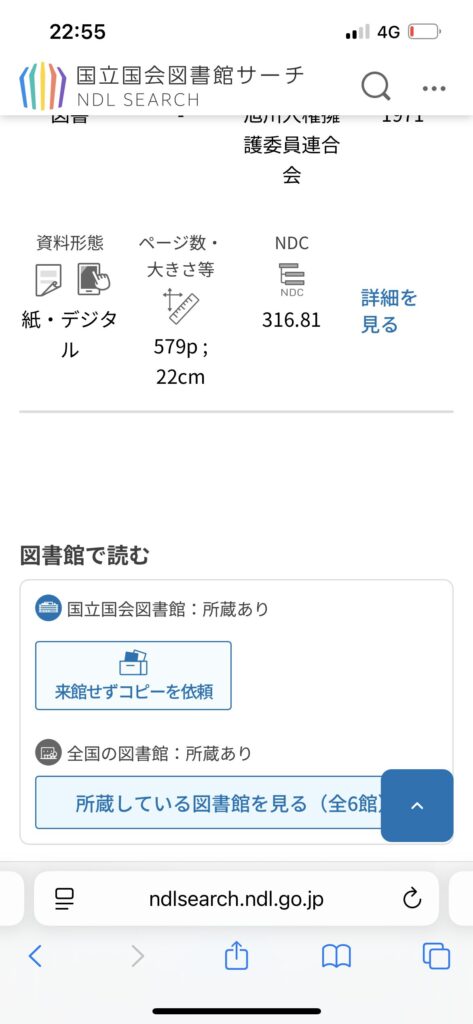
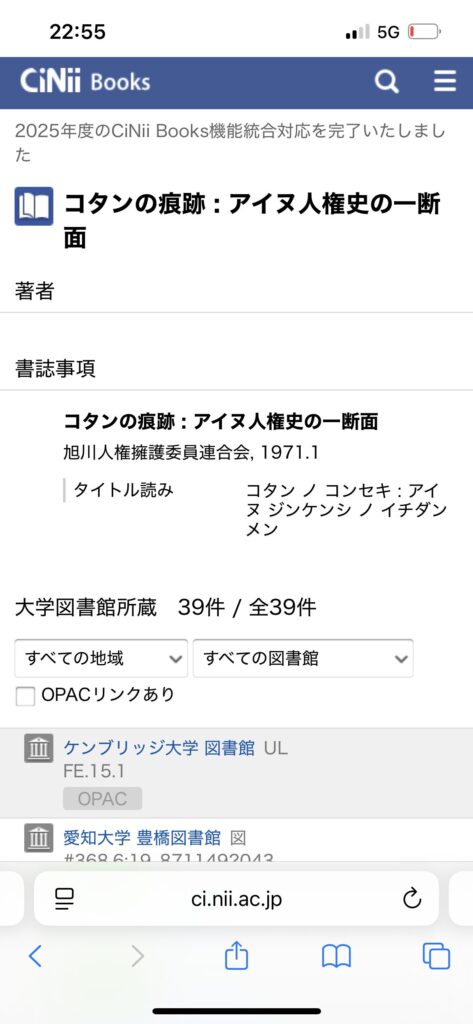
3400施設の中で39件、6件の状況だと、かなりの希少本という事になる。ネットで調べたところ、55年前のアイヌ差別の実態、○○との激しい対立など、「表に出したくない生々しい一次史料」がそのまま載っていて、一度失われれば二度と復元できない内容ばかりのため、物理的な少なさに加え、「歴史的価値」という点でも唯一無二の希少性を持っている、との事だった。
だからこそ、この本はただの古い本ではなく、「アイヌの尊厳と人権の歴史が詰まったタイムカプセル」のようなものらしい。そんな希少本がタンダンヤ・アデレード宣言を実践している自分の下に現れるとは夢にも思わなかった。これも故人様の導きによるものかもと少し感じた。
アイヌ民族数十人の名前が記載された未発見資料の発見といい、ご縁がある様に思う。また、ビルマインパール作戦を当時の兵站病院文集として書いた本、ビルマ戦陣回顧録は、全国で3図書館、4冊所蔵と考えると5冊目の寄贈という事になる。
その非売品の本があったという事は、故人様、ご家族様は人権を重んじる方だったのだと容易に想像がつく。
故人様は、鳩山元総理大臣や橋本龍太郎元総理大臣とも面識があったようで、写真をよく一緒に撮られていたようだ。故人様及び御遺族様の屋根裏部屋の大量の本達。私は本の量に圧倒され、どれだけ博識なのか驚かされた。
保管のため弊社で一時お預かりして、
御遺族とお話し、弊社がタンダンヤアデレード宣言の理念を実践する上でまずこの希少本を当事者に繋ぐ事を最優先し、明日にでも尊厳の為に活動している当事者コミュニティに連絡をとって所持しているか確認をとろうと考えています。そして必要であれば寄贈したいと思います。
その前に少しお時間を頂き、私自身興味があるので熟読したいと思う。解決するには自身の知識も必要でしょうから。
先人がどの様にして生き、故人がどの様に想いを馳せ、後世に声を残したいのか。私は遺品整理人として、1人の人間として、彼らの声なき声を繋ぐ架け橋になれたらと思う。
隠蔽や制限を飛び越え、直接繋がる事で知る権利を奪わせない、最良の開かれたアーカイブ。廃棄の水際から歴史を繋ぎ、尊厳を守る方法。
それは水際で廃棄から救い、消えかけた記憶を未来のために残し、橋渡しをする事。小さな声を拾い上げてくれた、誠実な人達に対して、最高の誠実を私は返す。それが日本でいう、義というものなのです。
1. English Translation (英文翻訳)
Traces of the Kotan: Weaving Together a Rare Book on Ainu Human Rights History
Following up on the other day, I was at the late gentleman’s residence—where the Burma documents were preserved—doing the final clearing of the attic today.
As I turned on my flashlight in the darkness to organize the items, it brought back memories of the time I discovered the Shibuya Family Documents.
It was late November back then. As evening approached, the light would fade away into pitch darkness. I remember sorting through the items and giving instructions to a few part-time workers as we did the final cleanup.
Amidst this work, just the other day, I discovered a catering tray (Ozen) specially ordered by the deceased in 1942. It is in excellent condition, and I plan to report this to the bereaved family as a piece of their family history.
As I continued, I noticed a cardboard box deep in the back. Peeking inside, I found a massive amount of books and papers. Most of them seemed to look like they were from the late 1960s to 1970s (Showa 40s). The sheer volume made it clear just how knowledgeable the late gentleman’s family was.
While sorting through them, one particular book caught my eye.
It was published in 1971 (Showa 46) by the Asahikawa Human Rights Commissioners Association, titled:
“Traces of the Kotan: A Cross-Section of Ainu Human Rights History”
I immediately looked it up and found that this book was also a non-commercial, private publication. It is held by only 39 university libraries nationwide, and a search on the National Diet Library Search returned only 6 hits.
With only 39 and 6 hits across approximately 3,400 facilities, this means it is an extremely rare book. According to my online research, it contains raw, primary historical sources that “some might wish to keep hidden”—such as the harsh realities of Ainu discrimination 55 years ago and intense conflicts with ○○. Because the contents would be impossible to reconstruct if lost, it possesses a unique scarcity not only in terms of physical numbers but also in its historical value.
That is precisely why this book is not just an old text, but rather a “time capsule filled with the history of Ainu dignity and human rights.” I never dreamed that such a rare book would appear before me, someone who practices the principles of the Tandanya Adelaide Declaration. I couldn’t help but feel that this was somehow guided by the spirit of the deceased.
Between this and my previous discovery of undiscovered documents containing the names of dozens of Ainu people, I feel a deep sense of connection. Furthermore, the Burma War Memoir—a book written as a collection of writings from a wartime field hospital during the Burma Imphal Campaign—is only held by 3 libraries (4 copies total) nationwide. This means our find will become the 5th copy to be donated.
The fact that they possessed such non-commercial publications makes it easy to imagine that the deceased and their family were people who deeply respected human rights.
The deceased also appears to have been acquainted with former Prime Ministers Hatoyama and Hashimoto, as there were many photographs taken together with them. Standing amidst the massive mountain of books in the attic belonging to the deceased and their family, I was completely overwhelmed by the volume and amazed by the depth of their erudition.
For safe keeping, our company has taken these items into temporary custody.
After speaking with the bereaved family, and in practicing the principles of the Tandanya Adelaide Declaration, our top priority is to connect this rare book with the stakeholders themselves. As early as tomorrow, I plan to contact the stakeholder community active in protecting Ainu dignity to check if they already possess it. If necessary, I would like to donate it to them.
Before that, I would like to take a little time to read it thoroughly myself, as I am deeply interested. To help resolve these issues, I believe I need to acquire the knowledge firsthand.
How did the ancestors live? What thoughts did the deceased harbor? What voices did they wish to leave behind for future generations? As an estate clean-up specialist, and as a human being, I hope to serve as a bridge that connects these voiceless words.
A truly open archive—one that bypasses concealment and restrictions to connect directly, ensuring that the right to know is never stolen. A method to protect dignity by rescuing history right from the brink of disposal.
That means saving memories from being discarded at the water’s edge, preserving fading memories for the future, and acting as a bridge. To the sincere people who picked up those small voices, I will return the utmost sincerity. In Japan, this is what we call Gi (righteousness and duty).