
本日、生前整理で発見したある資料を届けるため、室蘭市にある天理教御崎町分教会を訪ねました。
今回届けたのは、天理教関係の資料を調べる中でご縁のあった、高野友治氏の著書です。
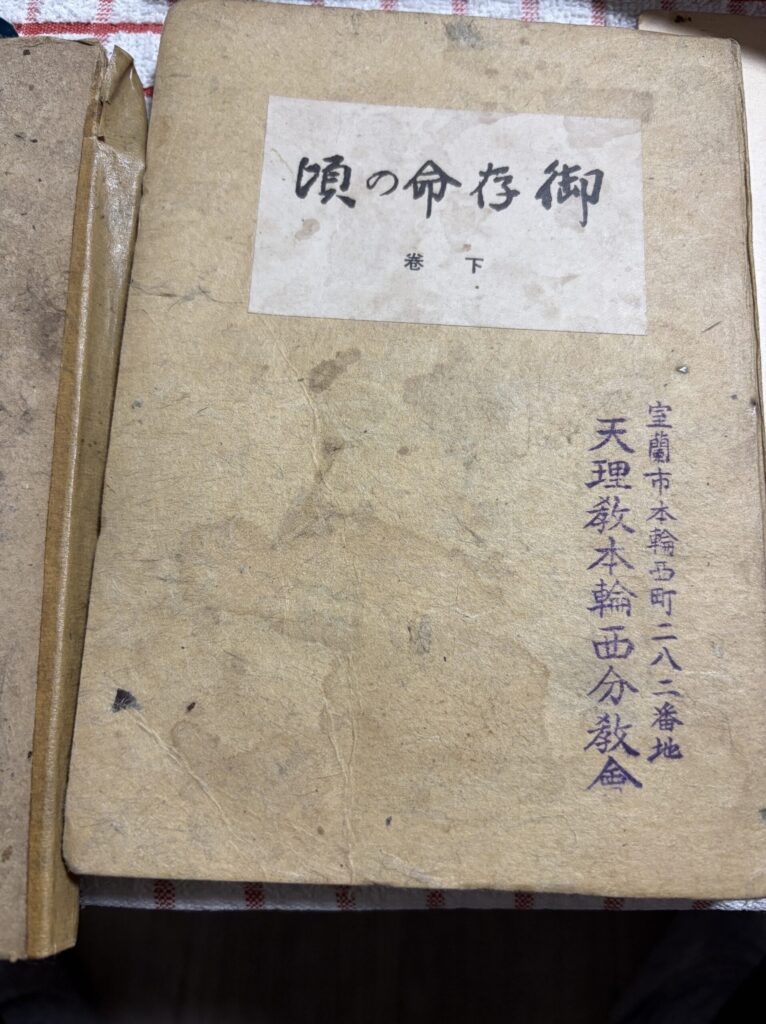
本来は、本輪西分教会へお届けする予定でしたが、連絡が取れなかったため、別の方法を考えることになりました。
そこで御依頼者様が入院されているお母様に変わり、お知り合いの方に楽器を手渡す為、今回のご依頼者のお母様が親しくされていた御崎町分教会の方にお会いするという事で、私も資料を渡しについて行く形になりました。
「ここなら、きっと本を届けることができる」
そう思い、御崎町分教会へ向かいました。
そこで、資料のことだけではなく、以前から調べていた川合さんのことについてもお話ししました。川合さんの遺品整理で起きた事や、資料発見の事、そして今回御依頼があった御依頼者様から頼まれた生前整理にて、天理教史で希少と思われる資料の回収と、中に川合さんが写っていて驚いた事など、お話致しました。
すると、ご親切に、思いがけず神殿の中を案内していただくことになりました。
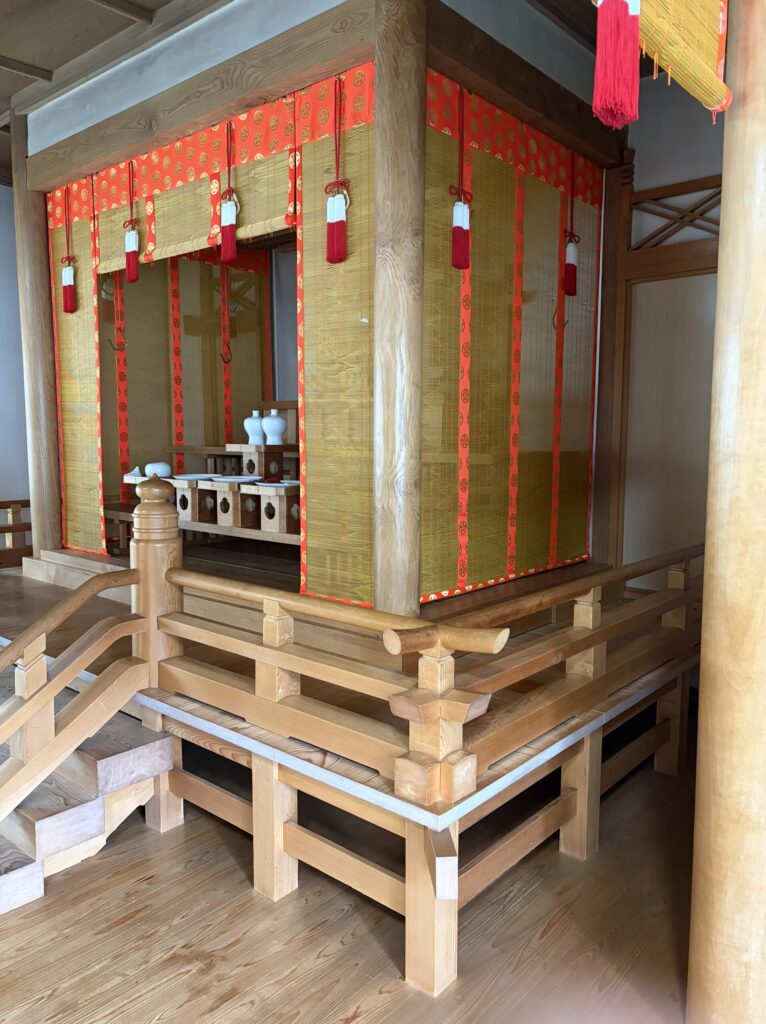
普段なかなか見ることのできない場所を、特別に見せてくださったのです。
そして、さらに驚いたことがありました。
「北海道でも珍しいものですよ」と、灯明を出してくださったのです。
わざわざ灯明に火まで入れてくださいました。
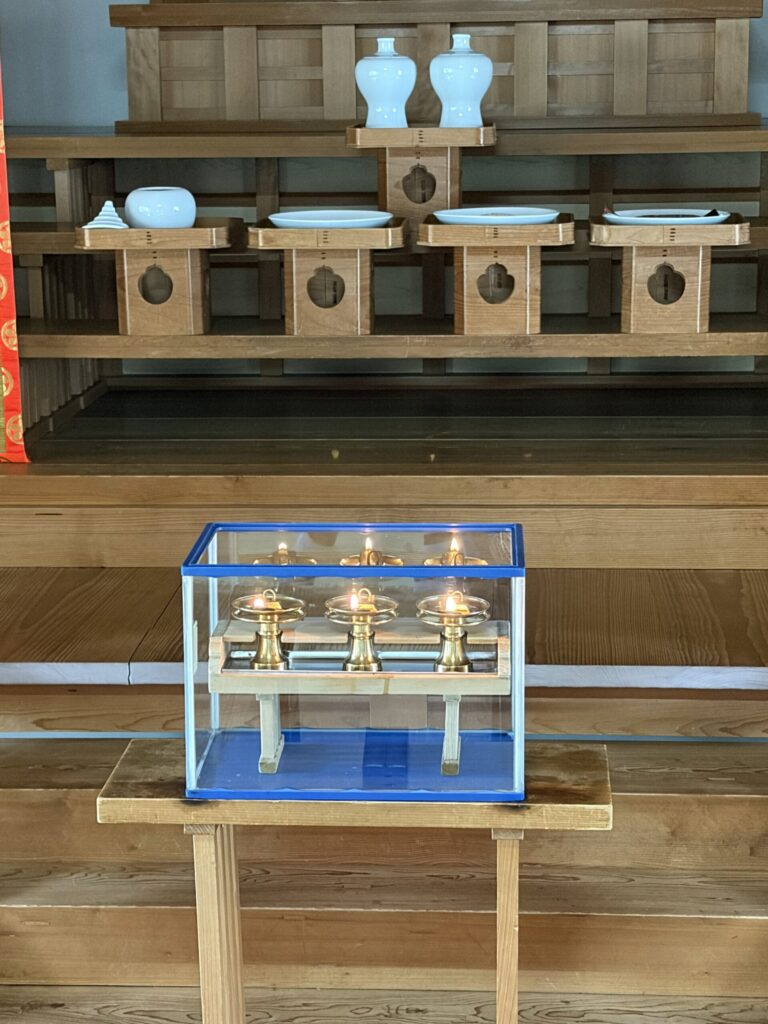
静かな神殿の中で、三つの灯明に火が灯りました。
その光を見ていると、単に珍しい祭具を見せてもらったという感覚ではなかった。
そこには、長い年月にわたって人々が手を合わせ、受け継いできた時間があるように感じました。
今回、私がしたことは、もともとは2冊の本を届けることだけで、
けれど、その2冊を届けるために人を訪ね、そこでまた別の人とのご縁が生まれ、そのご縁から、普段なら見ることのできない場所を見せていただくことになり、
川合さんに導かれているのかな?そんな風に感じながらも歴史に感動していました。
そして、そこに残されているものを通して、その地域で受け継がれてきた歴史や信仰の一端に触れることができました。
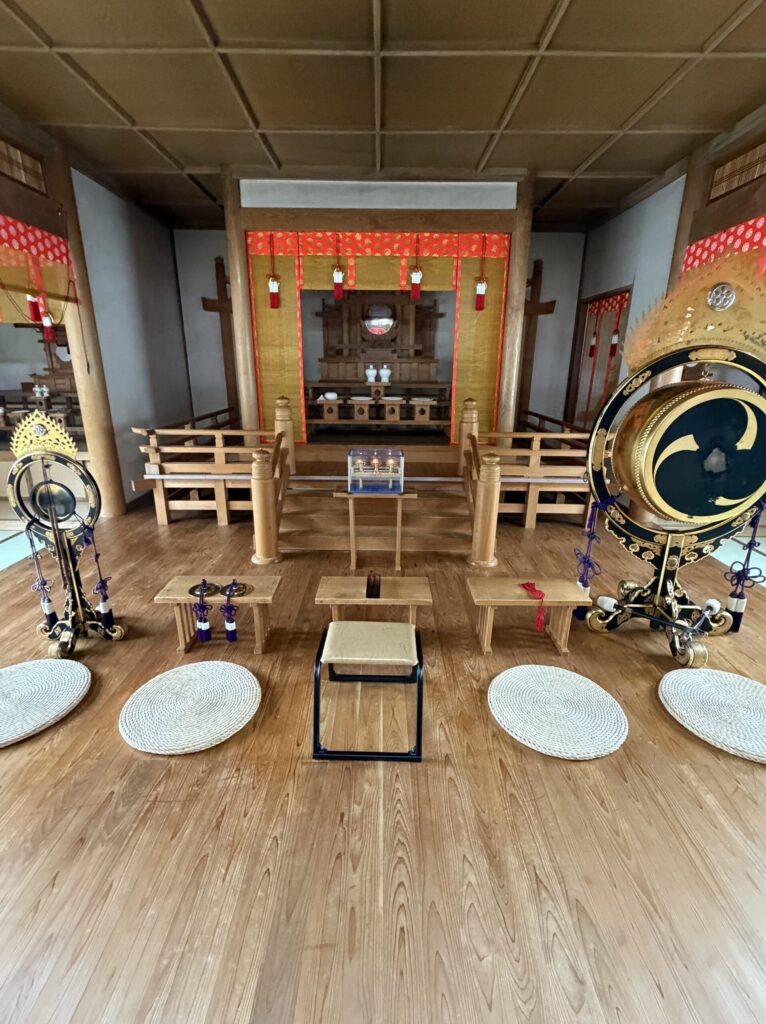
案内してくださった方は、とても優しい方でした。
帰る頃には、
「資料を届ける」ということは、単に物を運ぶことだけではないのかもしれない。
そんなことを考えながら、車を走らせていました。
廃棄の水際で紡いだ2冊の本が、人と人をつなぐ。
そして、そのつながりから、また新しい歴史に触れることがある。
歴史は、当事者のもとで語り継がれていくことになりました。
先住民史にせよ、宗教史にせよ、記録や記憶は当事者のものです。
だから僕は、まず当事者につなぐ。
先人や故人の想いを、当事者へ紡いでいく。
それは、僕がEGIMの共同議長の方々とのやり取りの中で学んだ、タンダンヤ・アデレード宣言の大切な理念の一つです。
それ以上でも、それ以下でもなく。
それが、僕が提唱する「歴史保全型遺品整理」の形なんです。
今回いただいたご縁を、大切にしたいと思います。
また、川合さんのお話や、今回ご縁をいただいた方々とお話ししたい。
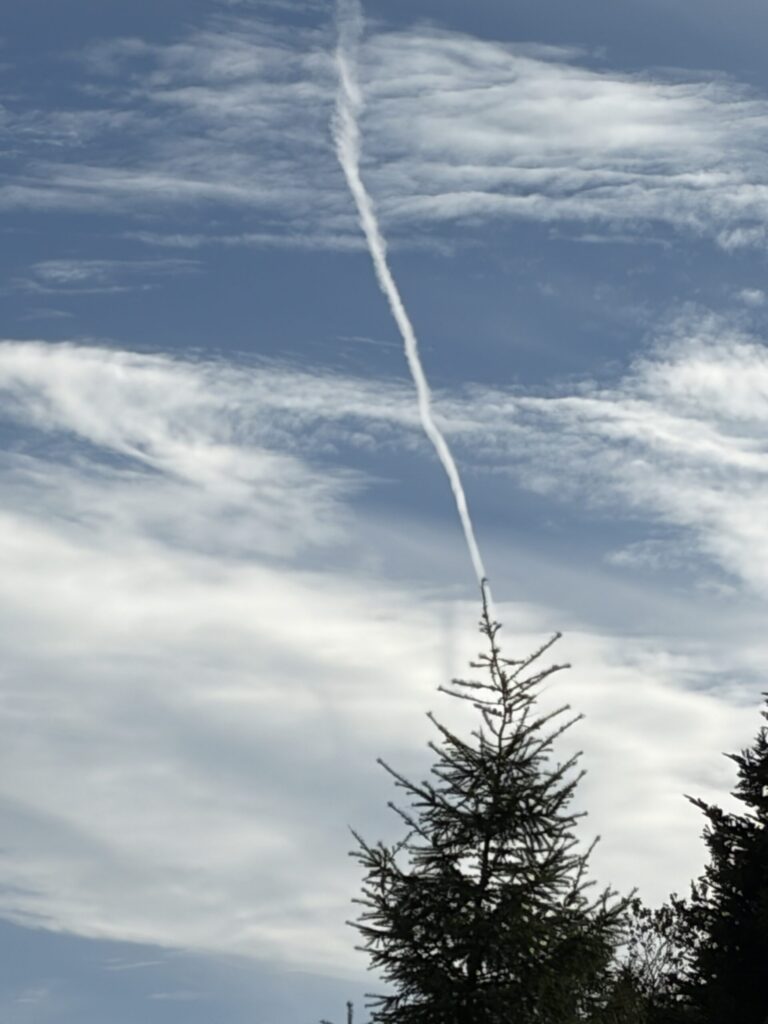
そんなことを、生前整理の現場からお電話をいただいた後、空を見上げながら考えていました。
A Connection Born from Two Books — Visiting the Misaki-cho Church
Today, I visited the Misaki-cho Church of Tenrikyo in Muroran City to deliver a historical material that I had discovered during a life-organizing project.
The material I delivered was a book by Yuji Takano, whose work came to my attention while I was researching materials related to Tenrikyo.
Originally, I had planned to deliver the materials to the Motowa-nishi Church, but I was unable to get in touch with them, so I had to consider another way to deliver them.
The client’s mother is currently in the hospital. On her behalf, the client was going to meet an acquaintance of her mother’s to hand over a musical instrument. This person was connected with the Misaki-cho Church, a Tenrikyo church that the client’s mother had been close to.
I therefore accompanied the client when she went to meet them, and took the opportunity to bring the books with me as well.
I thought to myself:
“If I am going to deliver these books, perhaps this is the right place.”
And so, we headed to the Misaki-cho Church.
There, I spoke with them not only about the materials I had brought, but also about Mr. Kawai, whom I had been researching for some time.
I told them about what had happened during the estate clearance involving Mr. Kawai’s belongings, how the historical materials had been discovered, and how, during the recent life-organizing project commissioned by this client, I had recovered materials that appear to be rare and significant in the history of Tenrikyo.
I also told them about my surprise when I discovered that Mr. Kawai himself was pictured in one of those materials.
As we talked, they kindly and unexpectedly offered to show me inside the sanctuary.
They kindly gave me a special opportunity to see a place that is not usually open to visitors.
And then, something even more surprising happened.
They brought out a traditional lamp, known as a tōmyō, telling me,
“This is quite rare even in Hokkaido.”
They even took the time to light it for me.
Inside the quiet sanctuary, three tōmyō lamps were lit.
As I watched their gentle light, I did not feel that I was simply being shown a rare religious object.
Instead, I felt as though I was witnessing a span of time that had been carried through the generations — years and years in which people had gathered there, offered their prayers, and passed their faith on to those who came after them.
What I had originally set out to do was simply to deliver two books.
Yet, in order to deliver those books, I visited someone, and through that encounter, another connection was made. And through that connection, I was given the opportunity to see a place that I would normally never have been able to enter.
For a moment, I wondered if Mr. Kawai was somehow guiding me here.
With that thought in my mind, I found myself deeply moved by the history before me.
Through what has been preserved there, I was able to catch a glimpse of the history and faith that have been passed down through generations in that community.
The person who showed me around was an incredibly kind person.
By the time I left, I found myself thinking:
“Perhaps delivering historical materials is not simply about transporting objects from one place to another.”
I drove home with that thought in my mind.
Two books, connected to people at the very brink of disposal, had brought people together.
And sometimes, through those connections, we are given the opportunity to encounter another piece of history.
That history will now continue to be passed down in the hands of the people to whom it belongs.
Whether it is Indigenous history or religious history, records and memories belong to the people and communities connected to them.
That is why, first and foremost, I seek to connect them with those people.
To carry the thoughts and memories of those who came before us, and of those who have passed away, back to the people and communities to whom they belong.
This is one of the important principles of the Tandanya–Adelaide Declaration that I came to understand through my conversations with the co-chairs of ICA’s EGIM.
Nothing more, and nothing less.
This is what I mean by “history-preserving estate clearance.”
I want to cherish the connections that came from this experience.
I hope to have more opportunities to talk about Mr. Kawai, and to speak with the people I was fortunate enough to meet through this connection.
Those were the thoughts that stayed with me as I looked up at the sky after receiving a phone call from the life-organizing site.