
【救出実績】旭川・川村カ子トアイヌ記念館へ希少資料『コタンの痕跡』を寄贈いたしました
タイトル:歴史をあるべき場所へ――「タンダニャ・アデレード宣言」の実践と、先人の想いを当事者へ繋ぐ直達の手紙
LRA association 代表の田澤です。
先日、室蘭市港北町での遺品整理の現場にて、一冊の極めて貴重な歴史的資料を救出いたしました。
昭和46年に旭川人権擁護委員連合会から発行された非売品の文集、『コタンの痕跡(こんせき)』です。
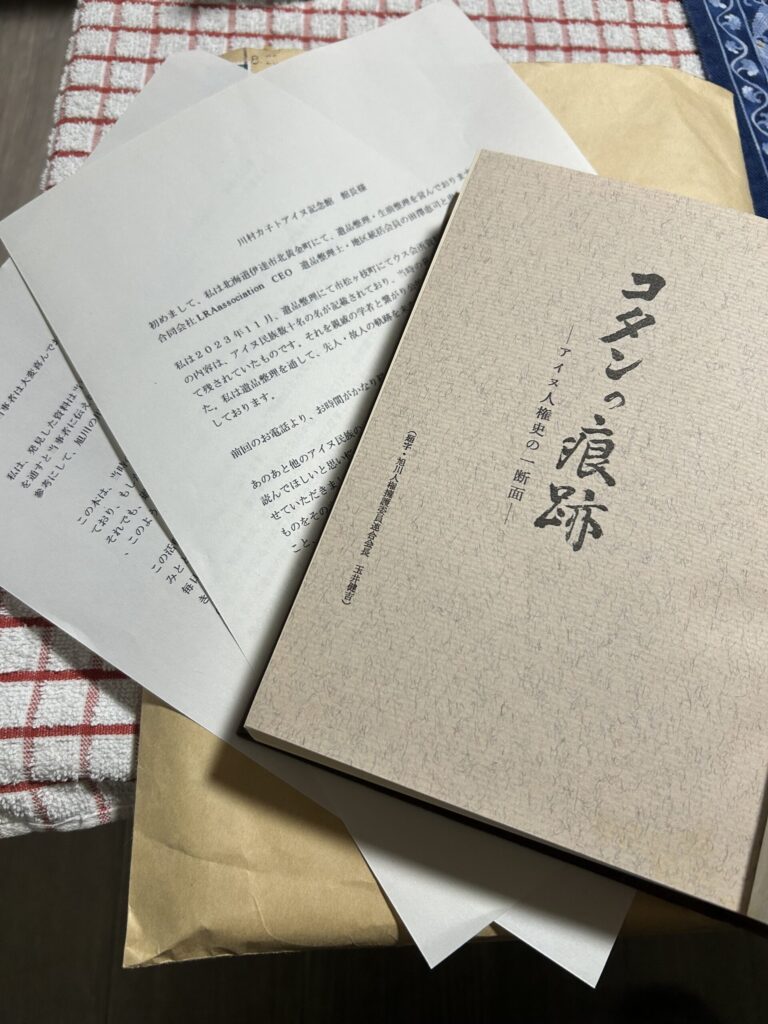
この資料を旭川にある「川村カ子トアイヌ記念館」の館長様へ、直接寄贈させていただきました。
■ 全国39館のみ所蔵、500ページ超に及ぶ「アイヌの魂の記録」
この本は、当時のアイヌ民族の方々による証言や想いが500ページ以上にわたって綴られた、大変希少な一次資料です。全国の公的な図書館や研究機関を合わせてもわずか39館にしか所蔵されておらず、一般の古書市場に出ることも滅多にありません。
ページをめくれば、記念館の先代である川村様のお名前も頻繁に登場します。まさに、当事者であるご家族や地域コミュニティにとって、何物にも代えがたい「アイヌの記憶と誇り」が凝縮された一冊でした。
■ 「タンダニャ・アデレード宣言」を現場で実践するということ
今回、私が公的な手続き等の複雑な経路を極力バイパスし、「館長様へ直接寄贈する」という決断をした背景には、世界的な公文書・歴史資料管理の指針があります。
世界最高峰のアーカイブズ組織である国際公文書館会議(ICA)が採択した国際基準『タンダニャ・アデレード宣言(2019)』では、「先住民族は自らの歴史や記録を知り、管理し、アクセスする権利を持つ」ことが明確に定められています。
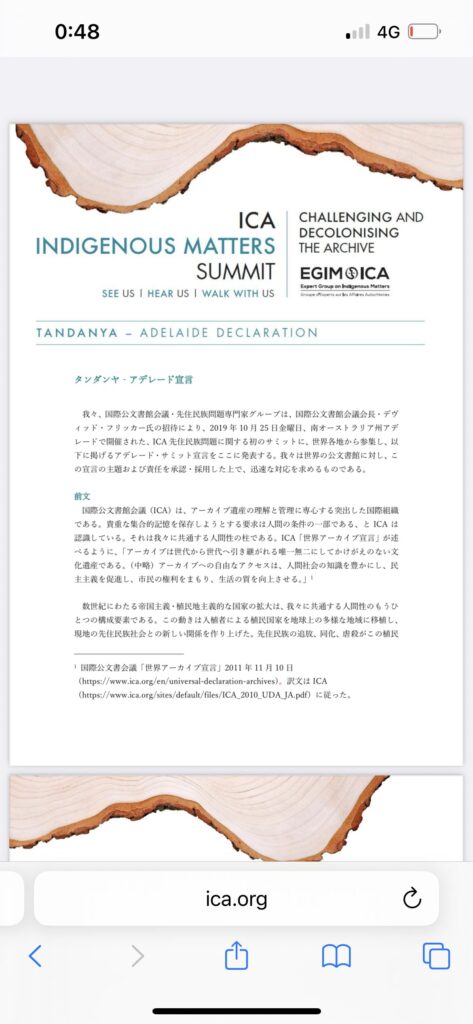
過去の経験からも、公的な手続きや中間組織を経由することで、資料が当事者の手元に届くまでに膨大な時間を要したり、閲覧のハードルが上がってしまう現実を強く感じていました。だからこそ私は、国際指針を現場で遂行する実務者(プラクティショナー)として、「最も必要としている当事者の元へ、最短距離で届けること」が何よりも大切であると考えたのです。興味のある方は是非この宣言を読んで頂きたく思います。
■ 「すべての想いに誠実でありたい」という決意
今回の寄贈にあたり、ひとつ大切なエピソードがあります。
この本を発見した際、記念館様だけでなく、別のアイヌ民族の当事者の方からも「ぜひ読んでみたい」という切実なお声をいただきました。
「記念館への寄贈」と「個人の想い」、そのどちらも諦めたくなかった私は、全国の古本ネットワークを拝見して、もう一冊の『コタンの痕跡』を買い取りました。そして、一冊を記念館様へ寄贈し、もう一冊を個人でお求めだった方へお渡しする方法を考えました。私は、お声をかけていただいた事が何よりも嬉しかったからです。
ビジネスの採算としてはマイナスかもしれません。しかし、そこにあるのは「先人や故人、そして今を生きる当事者に対して、どこまでも誠実でありたい」という、LRA associationの根幹にある倫理観だけです。
■ 廃棄の「水際」に立つ、歴史保全型遺品整理
一般的な遺品整理の現場では、わずか数時間のうちに、一人の人生や一族の歴史、地域の記憶が無造作に廃棄物として消去されていきます。
私にとって、この活動の原点となったのは、歴史的空白を埋めることとなった「渋谷家文書」の救出でした。
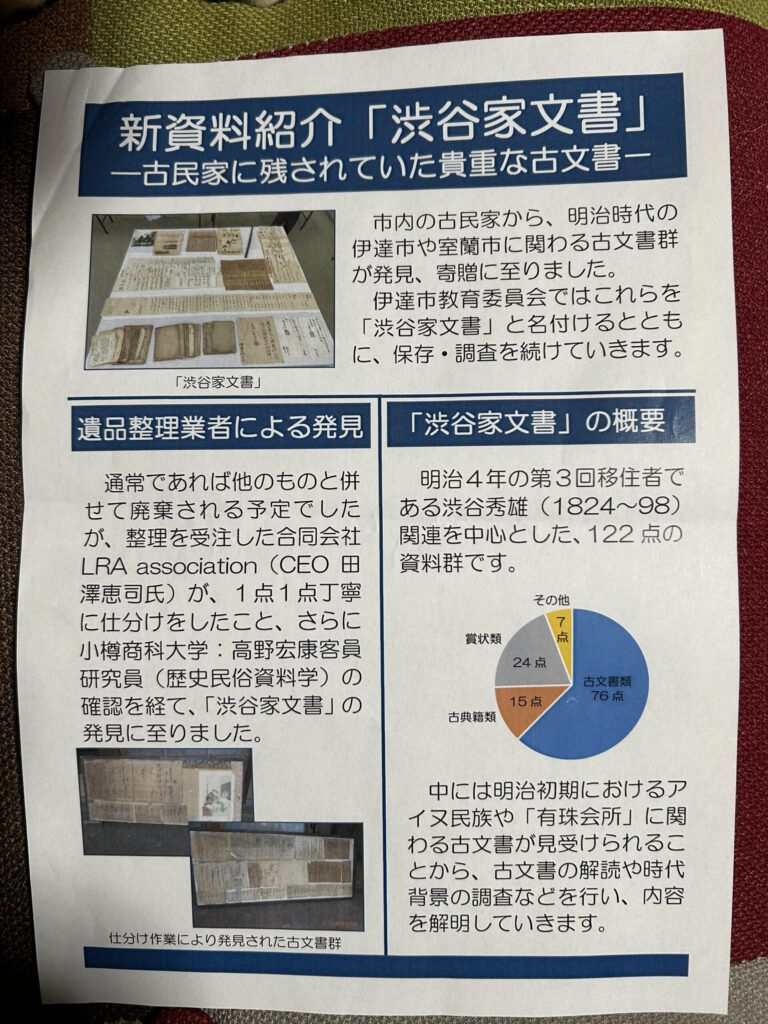
廃棄の危機にあったあの古文書を見出し、未来へ繋いだことこそが、弊社の「歴史保全型遺品整理(LRAモデル)」の始まりです。
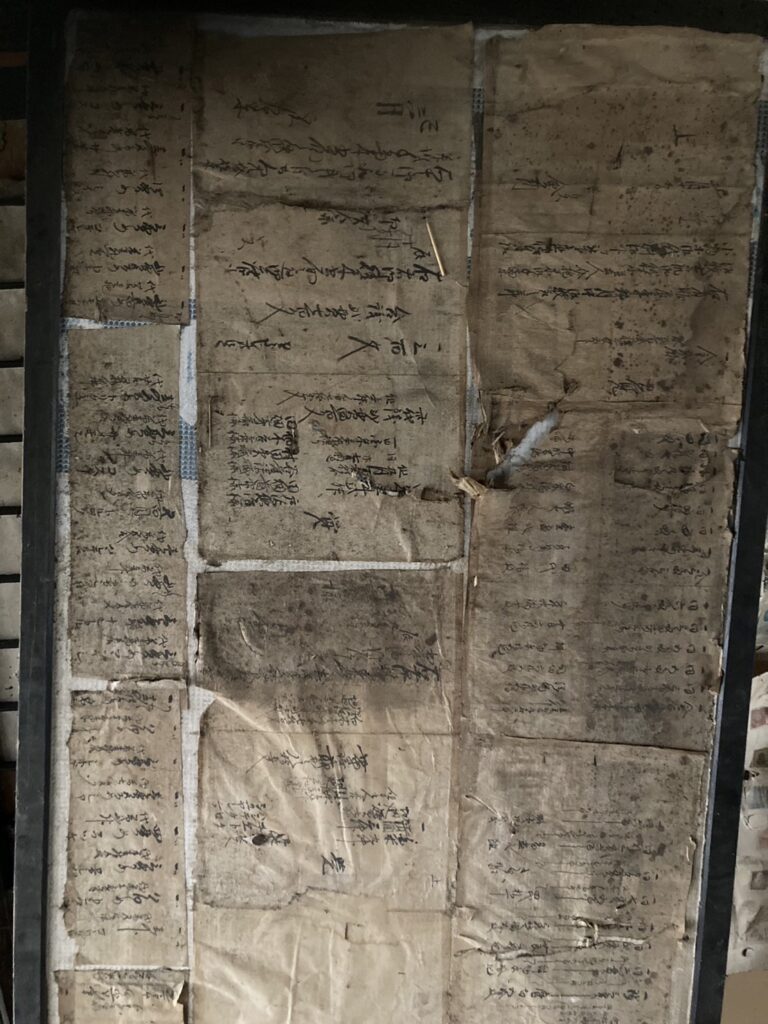
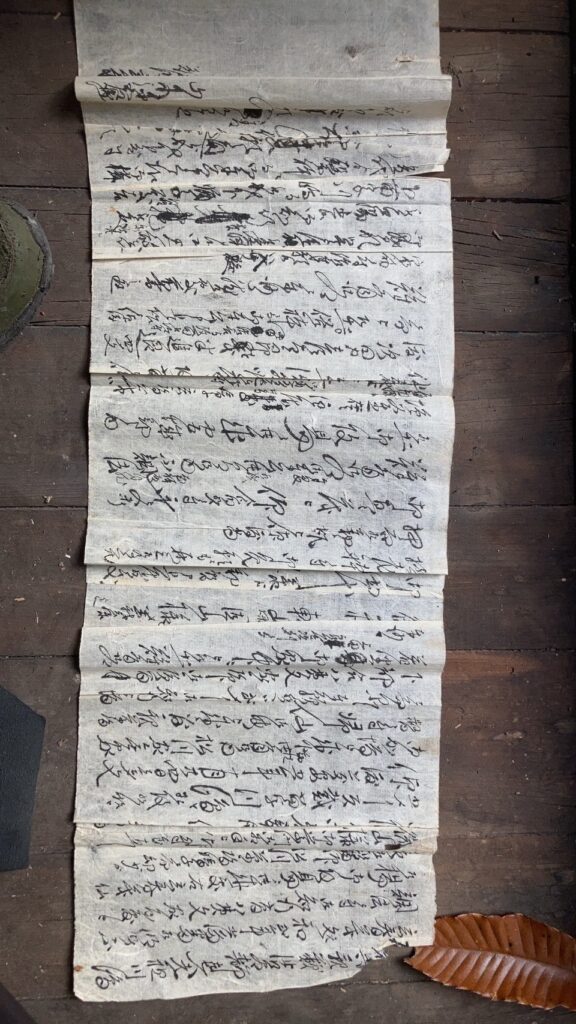
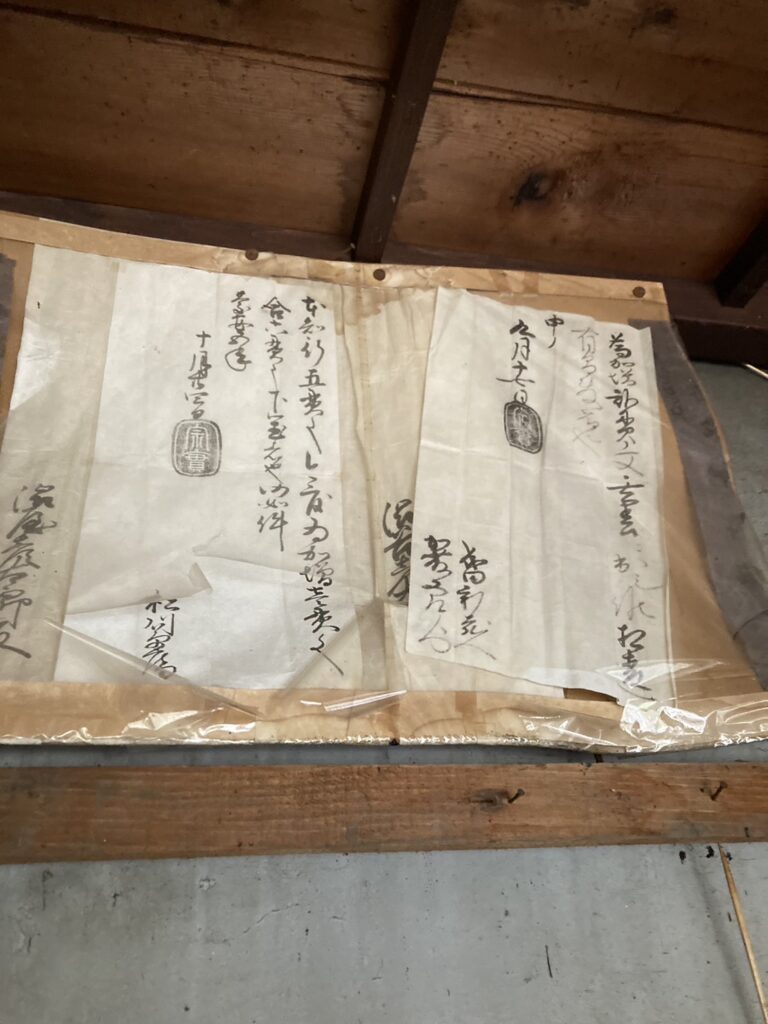
下記の写真は渋谷家文書を発見した時の画像です。
当時襖に貼り付けて飾っていたと思われる古文書群。押入れの中に、古い紙と合わせて発見した古文書や、欄間に貼られて飾られていた、伊達宗実が1600年代に発行した宛行状など。
以来、私はたった一人ですが、常に「廃棄の水際」に立ち続けています。
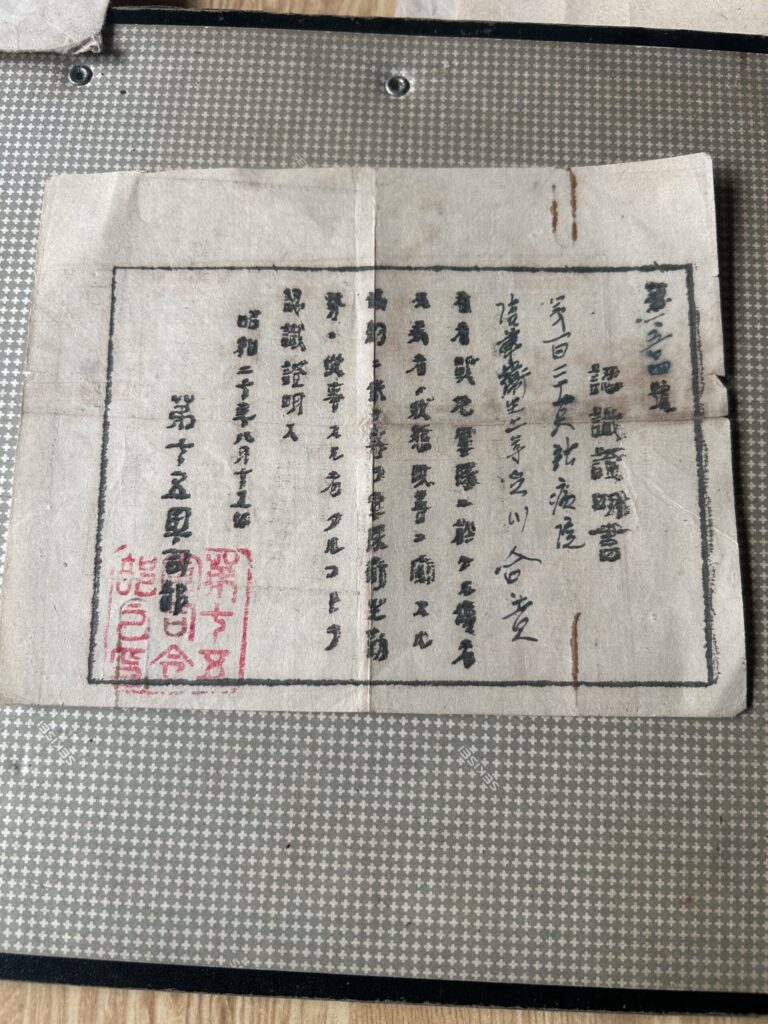
最近室蘭市で発見したビルマ戦域に従軍された方の資料で、ジュネーブ条約に基づいて発行された第15軍発行の認識証明書や、連合軍側の資料である収容所関係の資料、これは多国籍からなる国際的な意義のある資料となっており、渋谷家文書に続き希少な資料群です。こちらは国内の有名機関に御遺族と共に寄贈を検討中です。
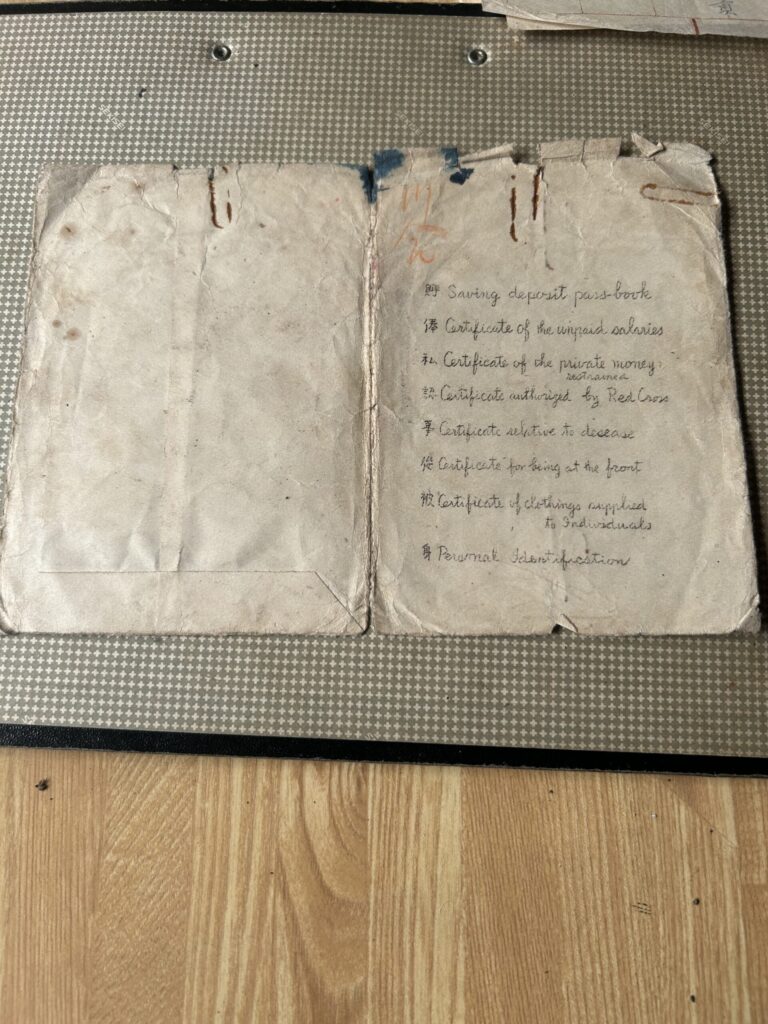
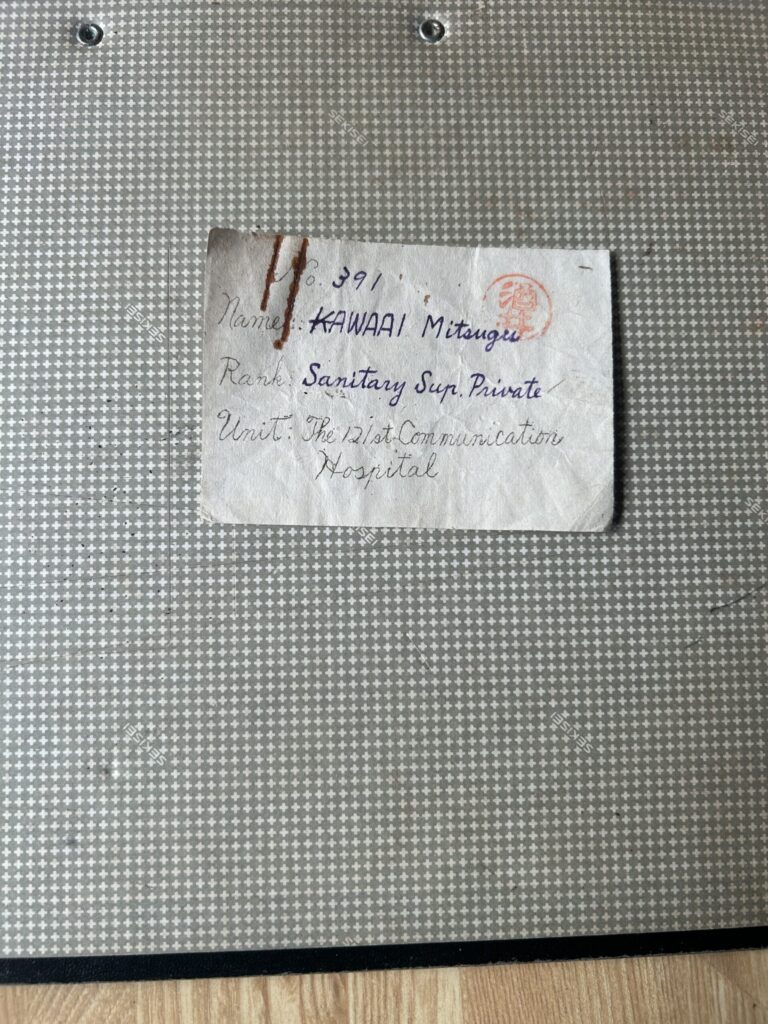
また直近では、室蘭市本輪西の近く、幌萌町で「伊達政宗公の叔父」親族の血脈を示す家系図、そして今回の『コタンの痕跡』。これらはすべて、現場で作業の手を止め、価値を見出さなければ永遠に失われていた歴史のピースです。
単なる片付け業ではなく、途切れかけた歴史のバトンを未来へ繋ぎ直す挑戦を、私はこれからも愚直に実践してまいります。
レターパックに込めた想いが、川村館長様をはじめとするコミュニティの皆様にとって、過去を知り、明日を生きる誇りの一つとなることを心より祈念しております。
LRA association CEO
歴史の空白を埋める遺品整理士 田澤恵司
Restoring History to Its Rightful Place: Practicing the “Tandanya-Adelaide Declaration” and Connecting Ancestral Memory Directly to the Stakeholders
By Keiji Tazawa, Representative of LRA Association
Recently, during an estate cleanup operation in Kohoku-cho, Muroran City, we rescued an extraordinarily valuable historical document: Traces of Kotan (Kotan no Konseki), a non-commercial collection published in 1971 by the Asahikawa Human Rights Commissioners Association.
I have personally donated this document directly to the director of the Kawamura Kaneto Ainu Museum in Asahikawa.
Held in Only 39 Libraries Nationwide: Over 500 Pages of “Records of the Ainu Soul”
This book is a rare primary source containing testimonies and personal accounts of the Ainu people from that era, spanning over 500 pages. Nationwide, across public libraries and research institutes combined, only 39 locations hold a copy, making it an extremely rare find that almost never appears on the commercial antiquarian market.
Flipping through its pages, the name of the previous museum director, Mr. Kawamura, appears frequently. For the family and the local community, it represents an irreplaceable collection of “Ainu memory and pride.”
Practicing the “Tandanya-Adelaide Declaration” on the Ground
My decision to bypass complex public administrative procedures and hand-deliver this document directly to the director is grounded in global standards for archival and historical records management.
The Tandanya-Adelaide Declaration (2019), adopted by the International Council on Archives (ICA)—the world’s premier archival organization—explicitly asserts that Indigenous peoples have the right to know, manage, and access their own history and records.
From past experience, I have felt deeply that routing items through formal bureaucracies or intermediary organizations often results in vast delays and creates barriers to access for the very people who need them. As a practitioner implementing international guidelines on the front lines, I believe that delivering materials along the shortest path to the stakeholders who need them most is paramount. I strongly encourage anyone interested to read this declaration.
A Commitment to “Be Sincere to Every Wish”
There is an important story behind this donation.
When this book was discovered, I received a heartfelt request not only from the museum, but also from another individual of Ainu heritage who expressed a deep desire to read it.
Unwilling to choose one over the other, I searched nationwide second-hand book networks and purchased a second copy of Traces of Kotan. This allowed me to donate one copy to the museum while providing the other to the individual who sought it. For me, the fact that someone reached out with such passion was what mattered most.
From a business standpoint, it may have been a financial loss. However, at the core of LRA Association is an unyielding ethical commitment: to remain completely sincere to our predecessors, the deceased, and the living stakeholders.
“History-Preserving Estate Cleanup” Standing at the Brink of Disposal
In standard estate cleanup operations, an individual’s life, a family’s history, and a region’s memory are often indiscriminately discarded as waste within a matter of hours.
The origin of my work began with the rescue of the “Shibuya Family Documents,” which filled a crucial historical gap. Identifying those historical manuscripts on the verge of disposal and preserving them for the future marked the beginning of our “History-Preserving Estate Cleanup (LRA Model).”
(The photos below show the moment the Shibuya Family Documents were discovered: historical manuscripts once pasted onto sliding paper doors (fusuma) as decoration, documents found alongside old paper in closets, and land grant certificates (atagaimonjo) issued by Date Munezane in the 1600s, which had been framed and displayed above transom windows.)
Since then, though working alone, I have stood continuously at the “brink of disposal.”
Recently, in Muroran City, we discovered military records from a veteran of the Burma campaign. These include an identity certificate issued under the Geneva Convention by the 15th Army, as well as Allied forces records regarding internment camps. This multi-national collection carries significant international historical value and represents another rare discovery following the Shibuya Family Documents. We are currently preparing to donate these to a prominent national institution alongside the bereaved family.
Even more recently, near Motowanishi in Muroran City (Horobetsu-cho), we uncovered a family genealogy indicating a direct bloodline to the uncle of Date Masamune, alongside Traces of Kotan. All of these are pieces of history that would have been lost forever had we not paused work on-site to recognize their worth.
Rather than running a simple clearance service, I will continue to stubbornly pursue this challenge: reconnecting the broken batons of history and passing them on to the future.
It is my sincere hope that the thoughts packaged inside that Letter Pack bring pride to Director Kawamura and the entire community as they honor the past and look toward tomorrow.
Keiji Tazawa
Representative, LRA Association