
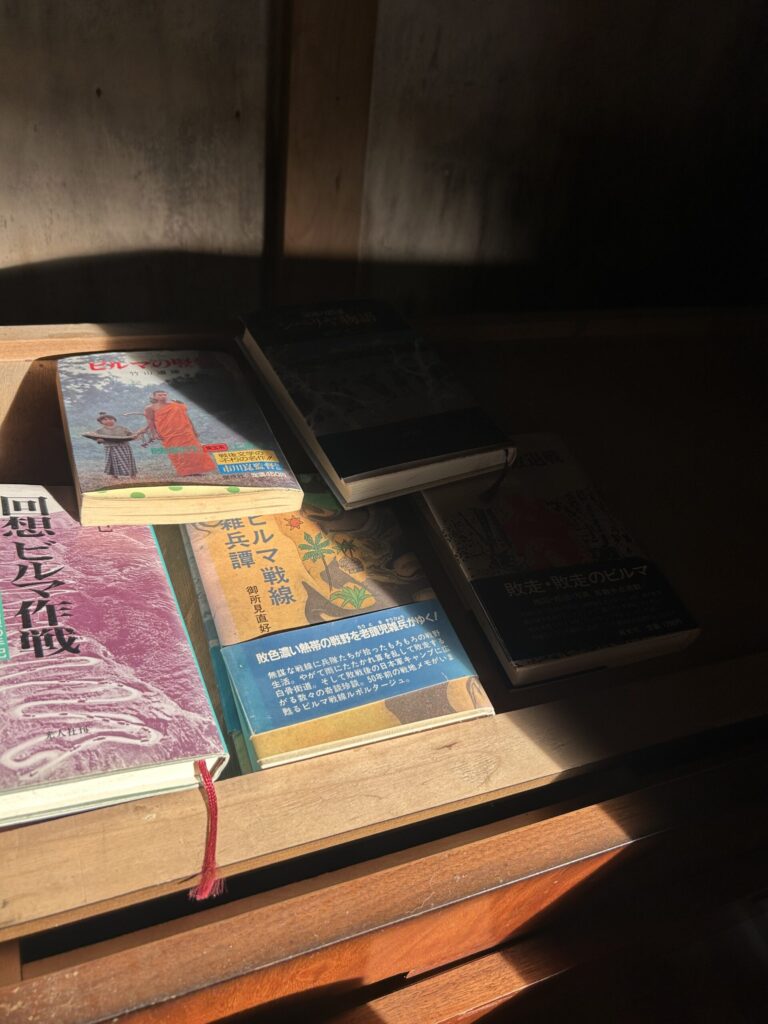
今日は昨日に引き続き、床が落ちている部屋の整理をしていた所、故人が大切にしていたと思われるレトロな昭和初期の棚の下に、乱雑になった本の塊を発見した。それは、過去発刊したであろうビルマ戦線の記録。ただその中には非売品であり、戦友会の中で共有されていた本もあり、その本を整理し、中身を拝見した所、元ビルマ派遣第百二十一兵站病院、森2265部隊の生き残り167名(不明者は数に入っていない)の当時の文集を発見した。
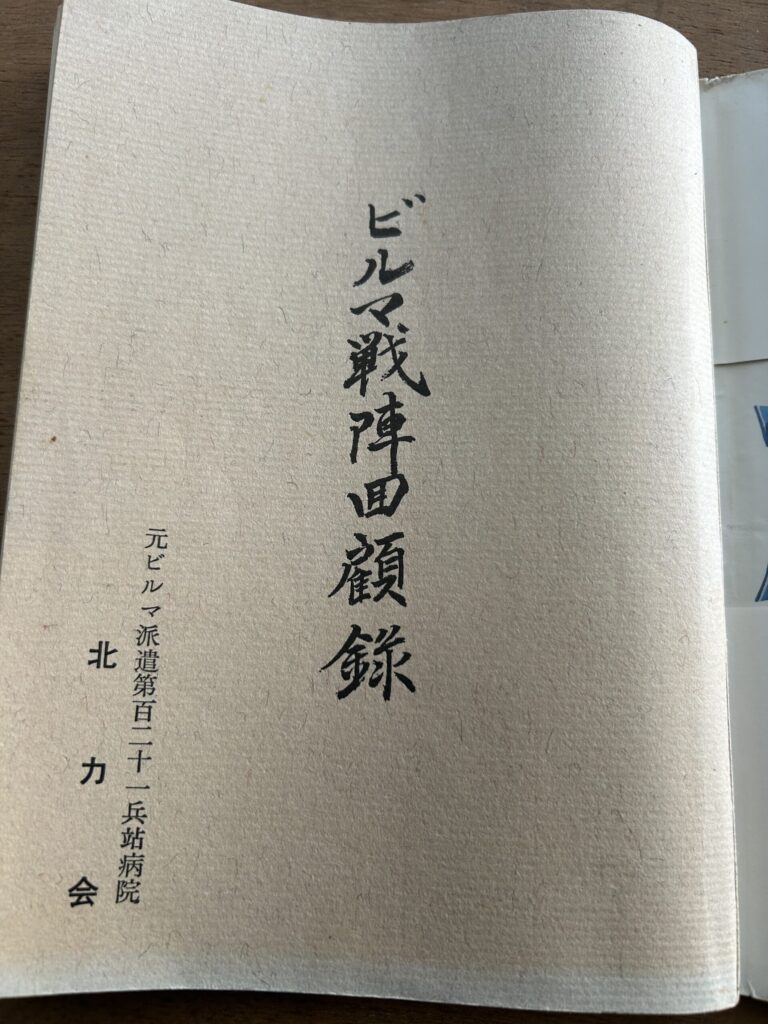
昭和47年から50年代に戦友会で作ったと思われる、帰還者167名全員の当時の回想、文集だった。現在、戦友会のメンバーは年齢的に生きていれば100歳から120歳くらいと考えられ、亡くなっている方が多く事実上解散している状況だと思われる。ネットで検索したがほぼ検索に引っかからず、一部しか出てこなかった。
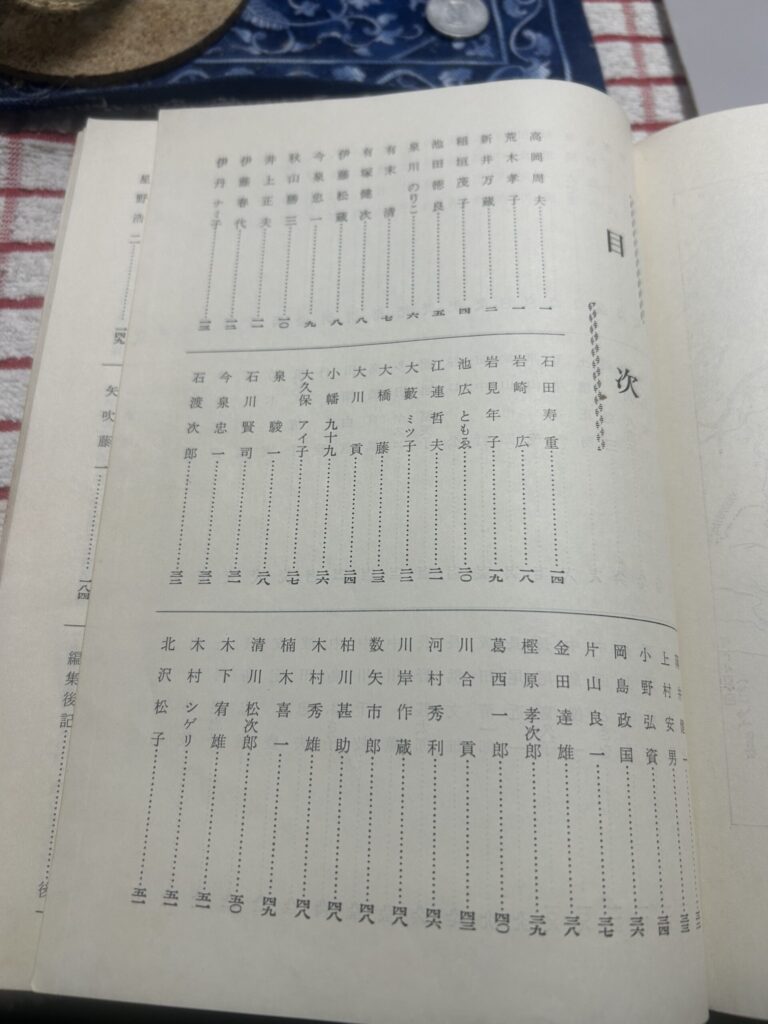
目次
所蔵場所が極めて少ない非売品の本。
今回発見した資料は、『ビルマ戦陣回顧録』(元ビルマ派遣第百二十一兵站病院「北力会」編)。
私は即座に、国立国会図書館(NDL)、防衛省防衛研究所、全国の大学図書館のデータベースを網羅的に調査した。
さらなる調査の結果、公的機関に4件の所蔵を確認したため、それに応じて本文を修正いたしました。結果は、道内所蔵館 4件。
実質のところ同じ大学図書館に2件、他に1件、北海道を代表する図書館に1件。札幌市に集中してあるため、北力会の制作委員メンバーが集中している場所に固まっているイメージだった。
現在、東京のとある資料館に、詳細を明日聞いてみる予定。データベースで違う学芸員の方が検索してみた様だが、データベースには戦友会の名前が引っかからなかった様だ。
167名の「男女混合」による、地獄からの帰還報告
この資料の真の価値は、その構成にある。
軍医、衛生兵、そして「白衣の天使」と呼ばれた女性看護師たち。合計167名が実名で綴った作文(体験手記)が収められている。
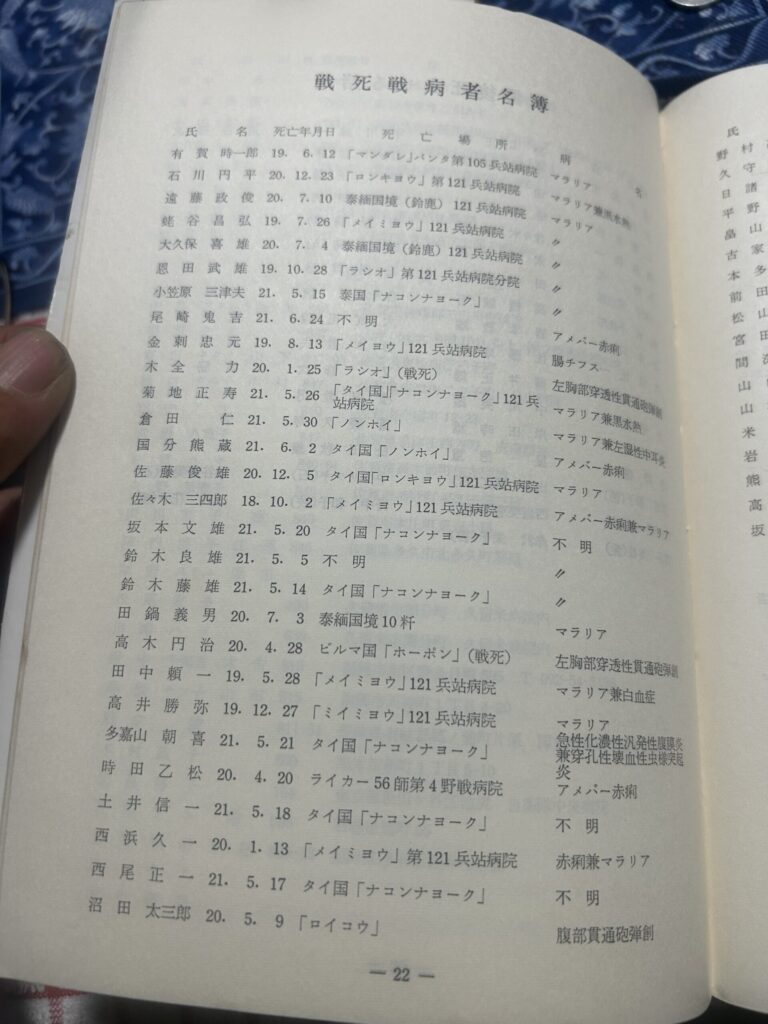
- 戦死戦病者名簿: マラリア、アメーバ赤痢、黒水熱。兵士たちがどのような苦しみの果てに、どこで力尽きたかが、日単位の記録と共に刻まれている。戦死された先人の魂に敬意を表し、供養させて頂いた。この本を読めば読むほど、当時の状況が手にとる様にわかるからだ。
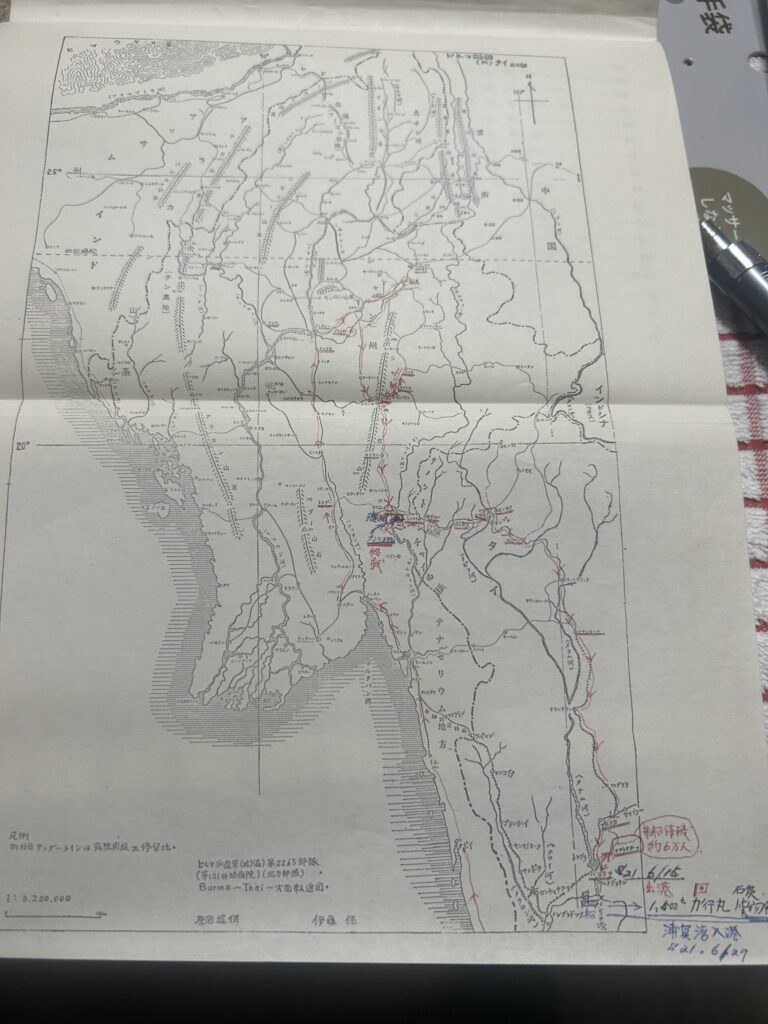
- 緻密な撤退地図: ビルマからタイへ。追撃を受けながら野戦病院がどこに収容所を設置し、どこで患者を看取ったかを示す「命の座標」。
これは、近代史が「統計」として処理してきた犠牲者の数に、再び「名前」と「尊厳」を取り戻すための、魂のICチップだ。
3. 点と線が繋がった奇跡 ― 故人の足跡
さらに驚くべきことが起きた。
元衛生兵である先日見つけた故人の軍歴資料一式と、この本に記載されていた故人本人の回想、文章があったからだ。
病院長・藤原浦美中佐署名の「従軍証明書」、戦後のタイにおける「英軍収容所のIDカード」、そして数々の賞詞。
そして、救出した回顧録の目次をめくった時、
43ページ。故人の記憶。
一人の兵士が持ち帰った「公文書」と、彼が戦友と共に綴った「回顧録」が、私の手元で一つに繋がった。戦後81年。もし学会に寄贈されていないのであれば、日本の公的な記録として歴史の空白を埋める事になり得るだろう。
水際で故人の記憶を救う。それが僕の使命。日本という国の記憶を守る遺品整理人。
167名の魂を、軌跡を、僕は救う。
まだ、資料が出てくる可能性がある。故人や先人に対し敬意を払い、誠実に仕分けさせていただき、依頼者の許可の元最新の注意を払って遺品整理をさせていただきます。それが僕に出来る唯一の、究極の供養だから。
Saving the Memories of 167 Souls: A Relic Organizer’s Discovery of the Burma Front
Yesterday and today, as I was organizing a room where the floor had begun to collapse, I made an extraordinary discovery. Beneath a cherished, retro cabinet from the early Showa era lay a disorganized bundle of books. Among them were rare, non-circulating records shared only within a veterans’ association—memoirs of the Burma Campaign.
Upon organizing these documents and examining their contents, I discovered a collection of writings from 167 survivors (excluding those missing in action) of the former 121st Logistics Hospital of the Burma Dispatch, Mori Unit 2265.
These memoirs, titled “Burma Campaign Reminiscences” (Compiled by the Hokurikukai of the former 121st Logistics Hospital), were likely produced by the veterans’ association between 1972 and the late 1980s. Given their ages, the members would now be between 100 and 120 years old; most have passed away, and the association has effectively dissolved. My online searches yielded almost no results, with only fragments of information appearing.
Rare Documents Found in Only Four Locations Nationwide
These are non-circulating materials with extremely limited availability. I immediately conducted a comprehensive search of the National Diet Library (NDL), the National Institute for Defense Studies (Ministry of Defense), and various university library databases across Japan.
My investigation revealed that only four copies are held in public institutions: two in the same university library, one in another university, and one in a prominent library in Hokkaido. I am scheduled to inquire with a specific archive in Tokyo tomorrow to see if they hold further details, as their initial database search did not show the association’s name.
167 Men and Women: A Report of Return from Hell
The true value of this material lies in its composition. It contains the real-name testimonies of 167 individuals: military doctors, medics, and the female nurses often referred to as “Angels in White.”
- Rosters of the Fallen: It records not just names, but the daily struggles against malaria, amoebic dysentery, and blackwater fever, documenting exactly where and how these soldiers reached their limits. As I read, the vividness of their reality compelled me to offer a prayer for their souls.
- Precise Retreat Maps: From Burma to Thailand. These maps serve as “Coordinates of Life,” showing where the field hospitals were established and where they cared for patients while under pursuit.
This is more than a historical record; it is a “spiritual microchip” designed to restore names and dignity to the victims whom modern history has often treated as mere statistics.
A Miracle of Connected Dots: Tracing the Deceased
A further miracle occurred. Among the estate of the deceased individual I was assisting, I found a set of military records: a “Certificate of Service” signed by Hospital Commander Lt. Col.浦美藤原 (Urami Fujiwara), a British POW camp ID card from post-war Thailand, and various commendations.
When I turned to the table of contents of the rescued memoirs, I found it.
Page 43. The personal account of the man whose home I was clearing.
The official documents brought back by a single soldier and the memoirs he wrote with his comrades have finally been reunited in my hands after 81 years. If these have not yet been recognized by academic societies, they may serve to fill a void in Japan’s official historical record.
My Mission: Rescuing Memories from the Brink
I am a “Relic Organizer”—a guardian of Japan’s memories. I will save the trajectories of these 167 souls.
There is a possibility that more materials will emerge. With the utmost respect for the deceased and the ancestors who came before us, I will continue to sort through these items with sincerity and care, under the permission of the client. This is the only way I can offer the ultimate memorial service to those who served.
“Upon further investigation, I have identified four copies held in institutional collections and have updated the text accordingly.”